What Does "nǐ hǎo ma" Mean? Hello and How Are You in Chinese

你好吗 (nǐ hǎo ma) means "How are you?". It's usually one of the first questions a textbook teaches, and it's perfectly correct Chinese. The catch is that Chinese speakers rarely use it with each other, so if it's the only greeting you know, you'll sound like you've learnt from a book. This post explains what the phrase means, when people really do use it, and what to say instead, both to greet someone and to reply.
What 你好吗 means, word by word
The phrase is built from three characters, and each has one job.
| Character | Pinyin | Tone | Meaning |
|---|---|---|---|
| 你 | nǐ | 3rd | you |
| 好 | hǎo | 3rd | good, well |
| 吗 | ma | neutral | question particle (turns a statement into a yes/no question) |
你好 (nǐ hǎo) on its own is "hello", literally "you good". Add 吗 (ma) and it becomes a question: "you good?", which is to say "How are you?". There's no word for "are" because Chinese doesn't need a verb "to be" in front of an adjective like 好.
吗 works the same way with almost any statement, which makes it one of the most useful things a beginner can learn:
- 你忙 (nǐ máng), you're busy → 你忙吗?(nǐ máng ma?), are you busy?
- 你是英国人 (nǐ shì yīngguó rén), you're British → 你是英国人吗?(nǐ shì yīngguó rén ma?), are you British?
Do Chinese people actually say 你好吗?
Not very often, at least not to each other. Among friends, family and colleagues, 你好吗 sounds stiff and a little artificial, rather like greeting a friend in English with "How do you do?". John Pasden of Sinosplice calls it "linguistic training wheels": useful when you start, but something you soon grow out of.
It isn't wrong, though, and you will hear it in a few situations:
- Talking to foreigners. Chinese speakers often say 你好吗 to learners because they know it's the phrase you'll recognise.
- After a long time apart. If you haven't seen someone for months or years, asking how they are is a genuine question rather than a reflex, and 你好吗 fits. It often comes after 好久不见 (hǎojiǔ bú jiàn), long time no see.
- When you really want to know. Asking someone who has been ill or going through a hard time, it reads as sincere concern.
- In writing. It turns up at the start of letters, messages and emails to someone you haven't been in touch with for a while.
The reason it sounds odd day to day is that English "How are you?" is really a greeting, not a question, and nobody expects an answer. 你好吗 is a real question. Ask it of a colleague you saw yesterday and they may wonder why you're suddenly checking on them.
How to say hello naturally
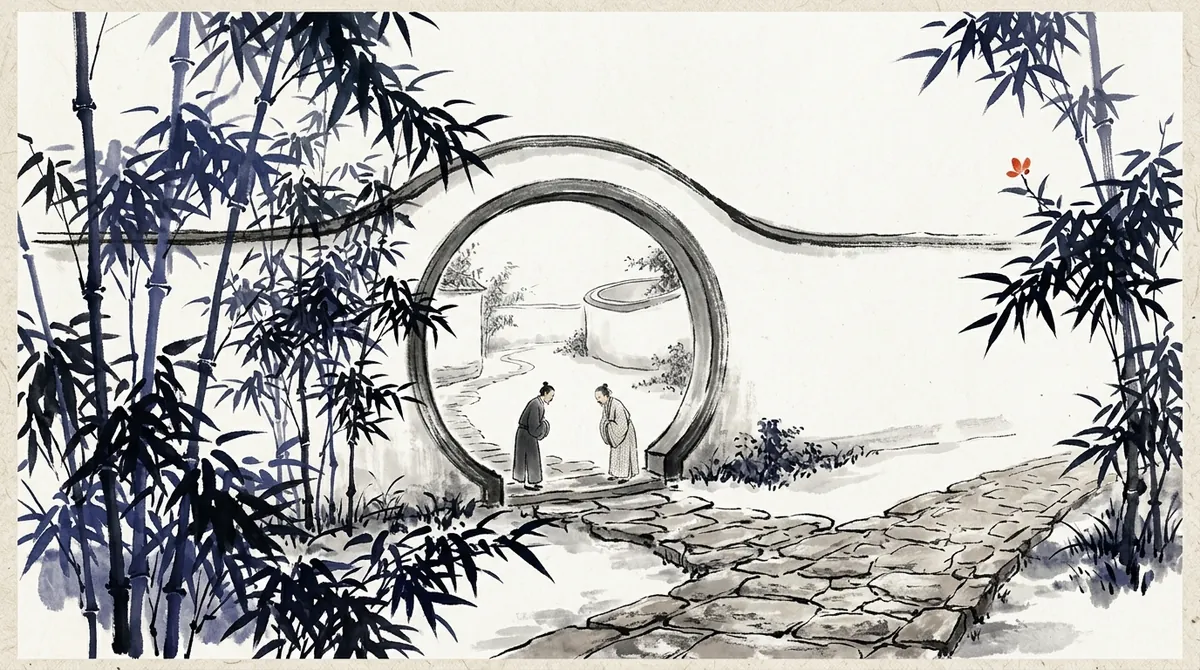
Chinese greetings are usually simpler than English ones. Often you don't ask how someone is at all: you just acknowledge them.
你好 (nǐ hǎo): hello
你好 is the standard "hello" and it's never wrong. You'll use it with strangers, shop staff, someone you've just been introduced to, or anyone you're meeting for the first time. With close friends it can feel a bit formal, and many people greet friends with just their name or a quick "hi".
您好 (nín hǎo): polite hello
您 (nín) is the respectful form of "you". Use 您好 with older people, your teacher, a client or anyone you want to show extra respect to. It's also what you'll hear from staff in hotels, banks and customer service lines.
Name or title + 好
A very common pattern is to put someone's name or title in front of 好:
- 老师好 (lǎoshī hǎo): hello, teacher
- 王老师好 (wáng lǎoshī hǎo): hello, Teacher Wang
- 大家好 (dàjiā hǎo): hello, everyone
嗨 (hāi) and 哈喽 (hālóu): hi and hello
Borrowed from English, 嗨 (hāi) and 哈喽 (hālóu) are casual and common among younger people, in person and in messages.
早 (zǎo): morning!
In the morning, a quick 早 (zǎo) or 早上好 (zǎoshang hǎo), good morning, is a natural way to greet colleagues and neighbours. There's more on this in our guide to saying good morning in Mandarin.
喂 (wéi): hello on the phone
When you answer the phone, you don't say 你好. You say 喂 (wéi), usually with a rising tone, the way you'd say "hello?" when you don't know who's calling.
Natural ways to ask how someone is
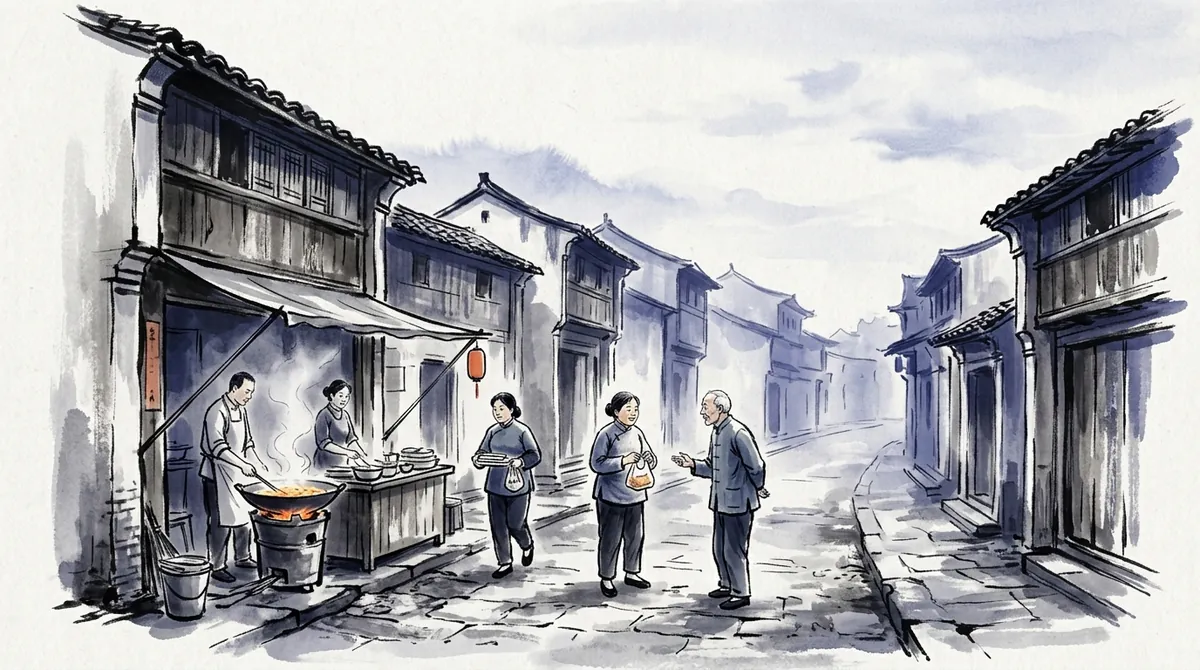
When you do want to ask after someone, these are what people commonly say.
最近怎么样?(zuìjìn zěnmeyàng?)
"How have you been lately?" This is the most useful replacement for 你好吗. It's friendly, it works with friends and colleagues, and it's especially good when you haven't seen someone for a while. You can shorten it to 怎么样?(zěnmeyàng?), how's it going?
最近好吗?(zuìjìn hǎo ma?)
"Have you been well lately?" Adding 最近 (recently) makes 好吗 sound like a real catch-up question rather than a textbook line.
最近忙吗?(zuìjìn máng ma?) and 忙什么呢?(máng shénme ne?)
"Busy lately?" and "What are you busy with?" Asking about someone's work or studies is a very normal way to check in, particularly with colleagues and classmates.
你吃了吗?(nǐ chī le ma?)
Literally "Have you eaten?". It's not an invitation to dinner. It's a friendly check-in, and the usual answer is simply 吃了 (chī le), I have, or 还没呢 (hái méi ne), not yet. You'll also hear 吃饭了吗?(chīfàn le ma?). It's most typical of older people, neighbours and family, especially around mealtimes. Younger people in cities use it less.
Commenting on what someone is doing
A lot of everyday greetings simply state the obvious, which shows you've noticed the other person:
- 去哪儿啊?(qù nǎr a?): off somewhere? You're not really prying: "去超市 (qù chāoshì)", to the supermarket, is plenty of answer.
- 下班了?(xiàbān le?): finished work?
- 回来了!(huílai le!): you're back!
These sound more natural between neighbours and people who know each other. With a stranger, stick to 你好.
How to reply when someone asks how you are
The textbook exchange goes "你好吗?" "我很好,谢谢,你呢?" (wǒ hěn hǎo, xièxie, nǐ ne?, I'm very well, thanks, and you?). It's correct, but in real conversation it sounds scripted. People usually give a shorter, more modest answer. Here are replies you'll hear all the time:
| Chinese | Pinyin | Meaning | When to use it |
|---|---|---|---|
| 挺好的 | tǐng hǎo de | pretty good | A warm, positive everyday answer. More natural than 我很好. |
| 不错 | búcuò | not bad, pretty good | Positive without sounding boastful. |
| 还好 | hái hǎo | all right, fine | Neutral. Things are fine. |
| 还行 | hái xíng | OK, not bad | Very common and casual. |
| 还可以 | hái kěyǐ | not bad, it's all right | Much the same as 还行. |
| 一般 | yìbān | so-so, average | Nothing special, neither good nor bad. |
| 马马虎虎 | mǎmahūhū | so-so | Literally "horse horse tiger tiger". Widely known, often said with a smile. It can also mean "careless". |
| 老样子 | lǎo yàngzi | same as ever | Great for 最近怎么样: nothing much has changed. |
| 挺忙的 | tǐng máng de | pretty busy | The natural answer to 最近忙吗. |
| 不太好 | bú tài hǎo | not so good | When things genuinely aren't great. Expect a follow-up question. |
Two small additions make any reply sound friendlier:
- 你呢?(nǐ ne?): and you? Turning the question back is polite and keeps the conversation going. For example: 还行,你呢?(hái xíng, nǐ ne?), not bad, you?
- 谢谢 (xièxie): thanks. Useful when someone has asked out of real concern, such as after you've been ill.
A modest answer like 还行 or 老样子 is normal and doesn't mean anything is wrong. An enthusiastic "I'm great!" is fine too, but you'll hear it less.
Getting the tones right
Mandarin has four tones plus a light neutral tone, and the tone changes the meaning of a syllable. The classic example is ma:
- 妈 (mā), mother: 1st tone, high and level
- 麻 (má), hemp: 2nd tone, rising
- 马 (mǎ), horse: 3rd tone, low, dipping
- 骂 (mà), to scold: 4th tone, sharply falling
- 吗 (ma), question particle: neutral tone, short and light
If the tones are new to you, our guide to tones in Chinese walks through each one.
Why 你好 is said "ní hǎo"
你 and 好 are both 3rd tones. When two 3rd tones come together, the first one changes to a 2nd (rising) tone. This rule is called tone sandhi, and it's why you hear:
- 你好: written nǐ hǎo, said ní hǎo
- 你好吗: written nǐ hǎo ma, said ní hǎo ma, with 吗 short and light
- 很好: written hěn hǎo, said hén hǎo
- 挺好的: written tǐng hǎo de, said tíng hǎo de
- 还可以: written hái kěyǐ, said hái kéyǐ
Pinyin normally keeps the original tone marks, so you have to apply the change yourself. The exceptions you'll usually see marked are 不 and 一. 不 is normally bù but becomes bú before a 4th tone, as in 不错 (búcuò) and 好久不见 (hǎojiǔ bú jiàn). 一 is yī on its own but yì before a 1st, 2nd or 3rd tone, as in 一般 (yìbān).
Two more tips. First, in normal speech a 3rd tone that isn't changed is mostly just low. The full dip and rise is only really heard at the end of a phrase or when a word is said on its own. Second, don't let English question intonation creep in. The 吗 already makes it a question, so you don't need to raise your voice at the end the way you would in English.
Knowing the rule and saying it smoothly are different skills, and greetings are exactly the short, fixed phrases worth drilling out loud until they're automatic. The Chunking Chinese fluency trainer, our sister app, teaches reusable sentence chunks like 最近怎么样 and 还行,你呢. You say them aloud, and it gives you feedback on the tone and pronunciation of each character.
Common questions
What's the difference between 你好 and 你好吗?
Just the particle 吗. 你好 (nǐ hǎo) is "hello", a greeting that needs no answer. 你好吗 (nǐ hǎo ma) is "How are you?", a question that expects one.
Is it rude to say 你好吗?
No. It's polite and correct, and nobody will be offended. It just sounds textbook-like in everyday situations. Save it for people you haven't seen for a long time, or use 最近怎么样 instead.
Can I say 好吗 on its own?
Not as a greeting. 好吗?(hǎo ma?) on its own means "OK?" or "Is that all right?", and you use it to ask for agreement. For example: 我们走吧,好吗?(wǒmen zǒu ba, hǎo ma?), let's go, OK?
When should I use 您好 instead of 你好?
Use 您好 (nín hǎo) with older people, teachers, clients, senior colleagues and in formal or service situations. If you're not sure, 您好 is the safer choice with someone older than you. Among friends and people your own age, 你好 or just a name is normal.
How do I say goodbye?
The standard goodbye is 再见 (zàijiàn), but there are more casual options. See our posts on saying goodbye in Chinese and saying good night in Chinese, and our list of everyday phrases in Chinese for the next things you'll want to say.
Greetings stick best when you meet them in real sentences, not in a word list. Mandarin Mosaic is a sentence-mining app that teaches Chinese through natural example sentences with audio, and uses spaced repetition to bring each one back just before you'd forget it. Try it at mandarinmosaic.com.