 Mandarin Mosaic
Free on iPhone, iPad and Android.
Download on theApp Store Get it onGoogle PlayYour first month of Premium is free.
Lucky and Unlucky Numbers in Chinese: 8, 6, 9, 4 and More
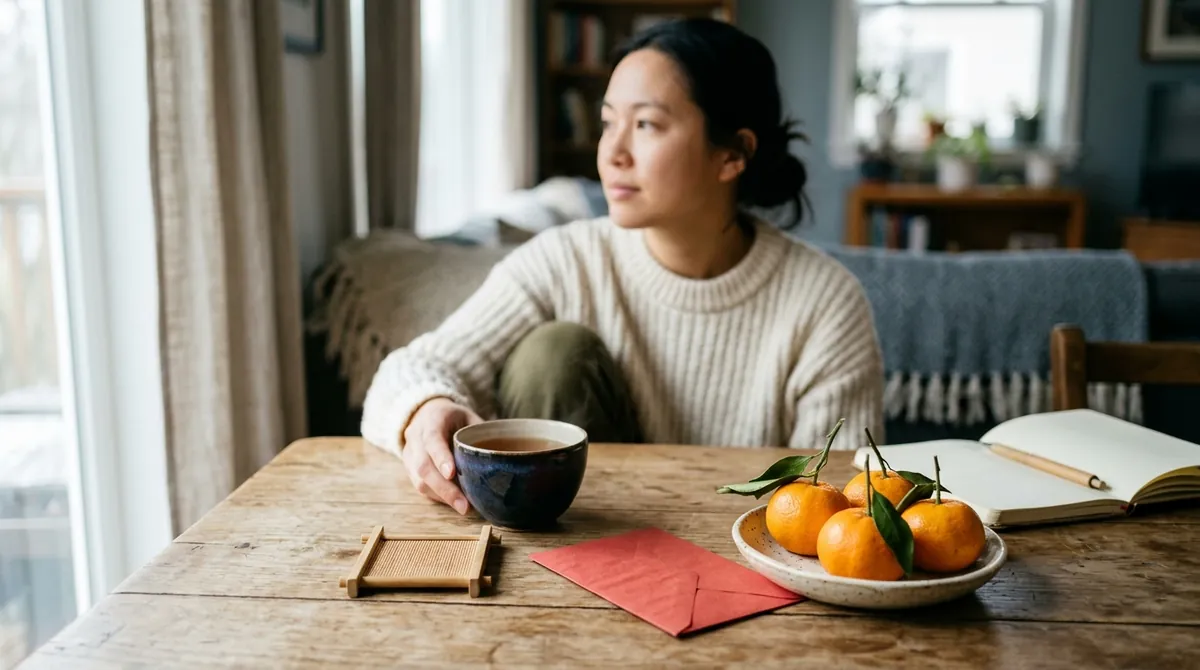
In Chinese, 8, 6 and 9 are the lucky numbers and 4 is the unlucky one, and it almost all comes down to sound. 八 (bā, eight) sounds like 发 (fā, to prosper), 六 (liù, six) like 流 (liú, to flow), 九 (jiǔ, nine) like 久 (jiǔ, long-lasting), and 四 (sì, four) like 死 (sǐ, death).
The same sound-alike game turns strings of digits into messages: 520 means "I love you", and 250 is an insult. Below are all ten digits, the number codes you'll meet online, where lucky numbers turn up in daily life, and a decoder you can try on your own phone number. Eight gets a short entry here, because it has a whole post of its own: why 8 is the luckiest number in Chinese.
Lucky and Unlucky Numbers at a Glance
| Number | Chinese | Sounds like or linked to | Lucky? |
|---|---|---|---|
| 0 | 零 (líng) | No strong meaning on its own | Neutral |
| 1 | 一 (yī) | Looks like a bare stick, hence 11 November as Singles' Day | Neutral |
| 2 | 二 (èr) | 好事成双 (hǎoshì chéng shuāng), "good things come in pairs" | Lucky |
| 3 | 三 (sān) | 散 (sàn, to scatter, break up); in Cantonese, 生 (life) | Mixed |
| 4 | 四 (sì) | 死 (sǐ, death) | Unlucky |
| 5 | 五 (wǔ) | 无 (wú, nothing), but also 我 (wǒ, I), as in 520 | Mixed |
| 6 | 六 (liù) | 流 (liú, to flow), so things go smoothly | Lucky |
| 7 | 七 (qī) | The seventh lunar month is Ghost Month, but 七夕 (qīxī) is a festival of love | Mixed |
| 8 | 八 (bā) | 发 (fā, to prosper, to get rich) | Very lucky |
| 9 | 九 (jiǔ) | 久 (jiǔ, long-lasting) | Lucky |
Most of these sound-alikes only need a similar sound, not an exact match. 四 (sì) and 死 (sǐ) are spelt the same in pinyin and differ only in their tones, and 八 (bā) and 发 (fā) differ only in their first letter. Close is close enough for a pun.
Why 4 Is Unlucky in Chinese

Four is the one number most people avoid, because 四 (sì) sounds so like 死 (sǐ, death). You'll see it in a few places:
- Buildings. Many lifts in China, Hong Kong and Taiwan go straight from the 3rd floor to the 5th, or label the 4th floor something else. Some buildings also leave out 14, 24 and every other floor ending in 4.
- Phone numbers and number plates. Numbers full of 4s are unpopular and are often cheaper.
- Gifts. People avoid giving things in sets of four.
Fourteen gets an extra share of the blame. 十四 (shísì) sounds like 是死 (shì sǐ, "is death"), and in a phone number, where 1 is read as 幺 (yāo), "14" sounds like 要死 (yào sǐ, "going to die").
The same superstition exists in Japan and Korea, where the word for four also sounds like the word for death. It's a matter of taste rather than fear for most people: few would turn down a good flat because it's on the 4th floor, but given the choice, they'd rather not.
Why 8, 6 and 9 Are Lucky
8: Prosperity
八 (bā) sounds like 发 (fā), as in 发财 (fācái, to get rich). That's why prices end in 8, phone numbers full of 8s cost extra, and the Beijing Olympics opened at 8pm on 8 August 2008. Our post on the number 8 in Chinese covers the rest.
6: Everything Goes Smoothly

六 (liù) sounds like 流 (liú, to flow), and the saying 六六大顺 (liùliù dà shùn) means "may everything go smoothly". It's a common toast and a popular red envelope amount: ¥66 or ¥666.
Online, 666 means "awesome" or "nicely done", because 六 also sounds like 溜 (liù), a colloquial word for slick or skilful. Gamers type it in chat when someone makes a great play, which surprises Western learners who know 666 as a sinister number.
9: Long-Lasting
九 (jiǔ) sounds like 久 (jiǔ, a long time), so nine stands for things that last. 长长久久 (chángcháng jiǔjiǔ) means "for ever and ever", which is why 9, 99 or 999 roses are a romantic gift, and why couples like dates with a 9 in them. Nine is also the highest single digit, and it was long associated with the emperor. The Double Ninth Festival, 重阳节 (chóngyáng jié), falls on the ninth day of the ninth lunar month and is now a day for honouring older people.
2: Good Things Come in Pairs
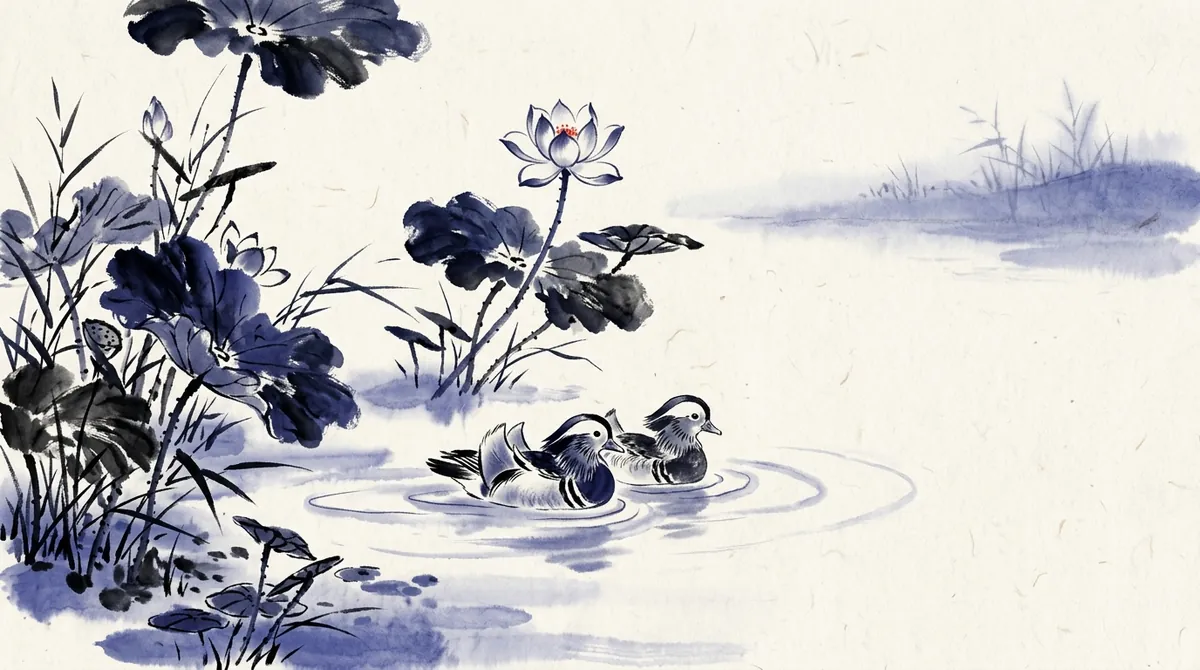
Two doesn't need a pun. 好事成双 (hǎoshì chéng shuāng) says good things come in pairs, so gifts often come in twos, and weddings are decorated with 囍 (shuāngxǐ, "double happiness"), the character 喜 (xǐ, joy) written twice. Mandarin ducks, which swim in pairs, are a traditional symbol of a happy couple. The one catch: as slang, 二 (èr) can mean "silly", as in 你真二 (nǐ zhēn èr, you're such an idiot).
Number Codes: 520, 1314, 250 and More
Chinese internet slang strings digits together to spell out phrases. Reading the digits aloud gets you close to the sound of the phrase:
| Number | Read as | Sounds like | Meaning |
|---|---|---|---|
| 520 | wǔ èr líng | 我爱你 (wǒ ài nǐ) | I love you |
| 521 | wǔ èr yī | 我愿意 (wǒ yuànyì) | I'm willing, I do (or another "I love you") |
| 1314 | yī sān yī sì | 一生一世 (yìshēng yíshì) | for a whole lifetime |
| 5201314 | wǔ èr líng yī sān yī sì | 我爱你一生一世 | I'll love you for ever |
| 88 | bā bā | 拜拜 (bāibāi) | bye-bye |
| 886 | bā bā liù | 拜拜了 (bāibāi le) | bye then |
| 666 | liù liù liù | 溜溜溜 (liù liù liù) | awesome, nicely done |
| 168 | yī liù bā | 一路发 (yílù fā) | prosper all the way |
| 518 | wǔ yāo bā | 我要发 (wǒ yào fā) | I'm going to get rich |
| 995 | jiǔ jiǔ wǔ | 救救我 (jiù jiù wǒ) | help me |
| 250 | èrbǎiwǔ | 二百五 | an idiot (an insult) |
| 748 | qī sì bā | 去死吧 (qù sǐ ba) | drop dead (an insult) |
A few of these are worth knowing beyond the internet:
- 20 May (5.20) has become an unofficial Valentine's Day, and it's a popular day for couples to register their marriage. ¥520 and ¥1314 are common amounts for a red envelope between partners.
- Never give anyone ¥250. 二百五 (èrbǎiwǔ) means a fool, and nobody is sure where the insult comes from; there are several competing folk stories.
- 38 can be rude too. 三八 (sānbā) is an insult for a nosy, gossipy woman, even though 8 March, International Women's Day, is called 三八妇女节 (sān bā fùnǚ jié). Context is everything.
- Singles' Day, 光棍节 (guānggùn jié), is 11 November (11.11), because the four 1s look like four bare sticks, and 光棍 (guānggùn) also means a single man. It has grown into one of the world's biggest shopping days.
When you read out a phone number, a room number or a bus number, 1 is usually said as 幺 (yāo) so it can't be confused with 七 (qī). Our post on numbers in Chinese explains how to say phone numbers, prices and dates.
Decode a Number
Type a phone number, a price, a date or a room number to see how each digit reads in Chinese, whether it counts as lucky, and any number codes hidden inside. It's just for fun.
Try:
Where You'll See Lucky Numbers in Daily Life
- Phone numbers and number plates. Mobile numbers and car registrations full of 8s and 6s sell for more, and some cities auction the best number plates.
- Prices. Menus and price tags love 8: ¥88, ¥168, ¥888. A ¥168 set meal reads as "prosper all the way".
- Red envelopes. 红包 (hóngbāo) money comes in lucky amounts such as ¥66, ¥88, ¥666 or ¥888, and between couples ¥520 or ¥1314. Amounts with a 4 in them are best avoided.
- Dates. Couples pick wedding dates with 6, 8 or 9 in them, and businesses like to open on a date with an 8.
- Gifts. Pairs are good and sets of four are not. Some objects are unlucky because of their names rather than numbers, like clocks; see our post on what not to do at Chinese New Year.
Do People Really Believe This?
It depends who you ask. For most people, especially younger people in big cities, number luck is a bit of fun they half believe in, rather like Westerners touching wood. They won't refuse a flat on the 4th floor, but they'll happily pay a little more for a phone number with an 8 in it. Businesses take it more seriously, because customers do. The beliefs are strongest in Cantonese-speaking areas such as Hong Kong and Guangdong, where some of the puns work even better.
Thirteen, by the way, isn't unlucky in traditional Chinese culture. Some international hotels and offices skip the 13th floor anyway, for foreign visitors, and a few skip both 4 and 13. Seven is lucky in much of the West but only mixed in China.
As a visitor or learner, you don't need to follow any of it. It's polite to avoid giving gifts in fours or an amount of ¥250, and fun to notice everything else.
Frequently Asked Questions
What Is the Luckiest Number in Chinese?
Eight. 八 (bā) sounds like 发 (fā, to prosper), and 888 is about as lucky as a number gets. Six and nine come next.
Is 4 Unlucky in Chinese?
Yes. 四 (sì) sounds like 死 (sǐ, death), so many buildings skip the 4th floor, and people avoid numbers and gifts with fours in them.
Is 7 a Lucky Number in Chinese?
Not especially. The seventh lunar month is Ghost Month, when spirits are said to roam, but 七夕 (qīxī), on the seventh day of the seventh month, is the Chinese Valentine's Day. Most people treat 7 as a mixed number rather than a lucky one.
What Does 520 Mean in Chinese?
"I love you". 五二零 (wǔ èr líng) sounds roughly like 我爱你 (wǒ ài nǐ). 20 May (5.20) is celebrated as a day for couples, and 5201314 means "I'll love you for ever". For more ways to say it, see I love you in Mandarin.
Why Is 250 an Insult in Chinese?
二百五 (èrbǎiwǔ) is slang for a fool. Nobody knows its origin for certain, and several folk stories compete to explain it. Just avoid giving or charging ¥250 as a joke.
Every pun on this page only works if you know the numbers and can hear the tones. Mandarin Mosaic teaches Chinese through real sentences with one new word at a time, with audio and spaced repetition, so numbers, prices and dates stick in context. At the time of writing, there's a 30-day free trial, then a free plan with one lesson a day, or Premium from £7.92 a month billed yearly (£11.95 monthly). Get it on iOS or Android.