 Mandarin Mosaic
Free on iPhone, iPad and Android.
Download on theApp Store Get it onGoogle PlayYour first month of Premium is free.
HSK 5 Vocabulary List: All 1,300 New Words with Example Sentences

HSK 5 adds 1,300 new words to the 1,200 you learn for HSK 1 to 4, making 2,500 in total. That's level 5 of the HSK 2.0 exam, the six-level version of China's official Chinese test that has been sat since 2010. On the new nine-level exam (the 2025 syllabus, often called HSK 3.0), level 5 is bigger: 3,600 words in total, 1,600 of them new at that level. All 1,300 HSK 2.0 words are below, sorted into 35 topics, each with its pinyin, its meaning and a short example sentence. Use the list of topics to jump to a section, or your browser's search to find a word. The page assumes you know the first 1,200 words; if you don't yet, start with the HSK 4 vocabulary list.
The example sentences come from Mandarin Mosaic's sentence library, and 1,045 of the 1,300 have been checked by a native speaker. 71 come from our database but haven't been checked yet, and for 184 words we found no suitable sentence and wrote one for this page. Those rows are labelled in the tables, and the words are listed in about the example sentences below. We looked for short sentences that use each word in its HSK 5 sense. Many include a word from HSK 6 or beyond, because sentences built only from HSK 1–5 words soon sound forced. A few words appear inside a longer word they usually come in, such as 哎 in 哎呀 (āiyā, oh dear) and 戒 in 戒烟 (jièyān, to give up smoking).
Which HSK 5? 2,500, 3,600 or 4,316 Words
The size of "HSK 5" depends on which version of the test you mean. These are the level 5 figures from Wikipedia's HSK article (for every level at once, see our HSK vocabulary list overview). The totals include the words from levels 1 to 4:
| Version | Levels | HSK 5 words in total | New at level 5 | Status in 2026 |
|---|---|---|---|---|
| HSK 2.0 (from 2010) | 6 | 2,500 | 1,300 | The exam for levels 1–6 that people have sat until now |
| 2021 standard | 9 | 4,316 | 1,071 | A framework for teaching and textbooks. Only its HSK 7–9 exam launched (in 2022) |
| 2025 exam syllabus ("HSK 3.0") | 9 | 3,600 | 1,600 | Published in November 2025. First official exam worldwide on 13 December 2026 |
The date of the first official sitting comes from the Shanghai Municipal Education Commission. If you're booking a test, ask your test centre which version your sitting uses. Our post on whether to take the HSK covers what each level tests, and HSK vs CEFR explains why HSK 5 was officially called C1 but is closer to B1 in practice.
For learning rather than exams, the version matters less. HSK 5 is where the vocabulary moves from everyday life to news, work, society and ideas, and these words are worth learning whichever list you move on to. Mandarin Mosaic's HSK lessons follow the HSK 2.0 levels, and each level's pack moves on to that level's new HSK 3.0 words once you know the old ones; how HSK lessons work explains the order. To check whether a text suits an HSK 5 reader, paste it into our HSK level checker.
The HSK 5 Word List
Each row gives the simplified characters, with the traditional form in brackets where it's different. The pinyin next to the word has its dictionary tones. The pinyin under each sentence writes 一 and 不 the way they're spoken, so 一个 is yí ge and 不要 is bú yào, but it doesn't mark third-tone changes. Both rules are explained in our guide to tone sandhi. To hear any syllable, use the pinyin chart.
People, Family and Relationships
HSK 5 fills in the family on the mother's side: 舅舅 (jiùjiu) is your mother's brother, 姥姥 (lǎolao) and 外公 (wàigōng) are her mother and father, while 姑姑 (gūgu) is your father's sister. For marrying, 嫁 (jià) is what a woman does and 娶 (qǔ) what a man does: 她嫁给了他 (tā jià gěi le tā), "she married him". 老婆 (lǎopo) and 太太 (tàitai) both mean wife; 老婆 is casual, and 太太 is politer and also means "Mrs".
| Word | Pinyin | Meaning | Example sentence |
|---|---|---|---|
| 宝贝(寶貝) | bǎobèi | treasure; darling, baby | 她是小宝贝!tā shì xiǎo bǎobèi!She's a little darling! |
| 成人 | chéngrén | adult; to grow up | 这个小男孩已经长大成人了。zhège xiǎo nánhái yǐjīng zhǎngdà chéngrén le.The little boy is now a grown man. |
| 敌人(敵人) | dírén | enemy | 爱你的敌人吧,因为他们让你知道自己的缺点。ài nǐ de dírén ba, yīnwèi tāmen ràng nǐ zhīdao zìjǐ de quēdiǎn.Love your enemies, for they show you your faults. |
| 对方(對方) | duìfāng | the other side, the other person | 他们站在那,互相怒视着对方。tāmen zhàn zài nà, hùxiāng nùshì zhe duìfāng.They stood there, glaring at each other. |
| 对象(對象) | duìxiàng | boyfriend or girlfriend, partner; target, object | 她已经有对象了。tā yǐjīng yǒu duìxiàng le.She already has a partner.Sentence written for this page |
| 分别(分別) | fēnbié | to part; separately, respectively; difference | 毕业以后,我们就分别了。bìyè yǐhòu, wǒmen jiù fēnbié le.After graduating, we went our separate ways.Sentence written for this page |
| 分手 | fēnshǒu | to break up, to split up; to part | 他刚刚跟女朋友分手了。tā gānggāng gēn nǚpéngyou fēnshǒu le.He has just split up with his girlfriend. |
| 妇女(婦女) | fùnǚ | woman, women | 我妈妈是个家庭妇女。wǒ māma shì ge jiātíng fùnǚ.My mother is a housewife. |
| 个人(個人) | gèrén | individual; personal | 他选择了德国,而我个人倒更喜欢西班牙。tā xuǎnzé le déguó, ér wǒ gèrén dào gèng xǐhuan xībānyá.He chose Germany, but personally I prefer Spain. |
| 公主 | gōngzhǔ | princess | 从前有一个公主。cóngqián yǒu yí ge gōngzhǔ.Once upon a time there was a princess. |
| 姑姑 | gūgu | aunt (father's sister) | 我姑姑是我爸爸的妹妹。wǒ gūgu shì wǒ bàba de mèimei.My aunt is my dad's younger sister.Sentence written for this page |
| 姑娘 | gūniang | girl, young woman | 姑娘又活泼又富有幽默感,未婚夫的家人十分喜欢她。gūniang yòu huópo yòu fùyǒu yōumògǎn, wèihūnfū de jiārén shífēn xǐhuan tā.The girl is lively and has a good sense of humour, and her fiancé's family like her very much. |
| 华裔(華裔) | huáyì | person of Chinese descent | 他是美国华裔。tā shì měiguó huáyì.He's a Chinese American.Sentence written for this page |
| 婚礼(婚禮) | hūnlǐ | wedding | 我们决定把婚礼推迟到明年。wǒmen juédìng bǎ hūnlǐ tuīchí dào míngnián.We've decided to postpone the wedding until next year. |
| 婚姻 | hūnyīn | marriage | 婚姻是终身大事。hūnyīn shì zhōngshēn dàshì.Marriage is a lifelong commitment.Not yet checked by a native speaker |
| 伙伴 | huǒbàn | partner, companion | 他有个很能干的伙伴,替他把一切整理得井井有条。tā yǒu ge hěn nénggàn de huǒbàn, tì tā bǎ yíqiè zhěnglǐ de jǐngjǐngyǒutiáo.He has a very capable partner who keeps everything in order for him. |
| 嫁 | jià | (of a woman) to marry | 她嫁给了一位医生。tā jià gěi le yí wèi yīshēng.She married a doctor.Sentence written for this page |
| 交往 | jiāowǎng | to associate with, to have contact with; to date | 他们交往了两年就结婚了。tāmen jiāowǎng le liǎng nián jiù jiéhūn le.They went out together for two years and then got married.Sentence written for this page |
| 家庭 | jiātíng | family, household | 他出生在一个富裕的家庭。tā chūshēng zài yí ge fùyù de jiātíng.He was born into a wealthy family. |
| 舅舅 | jiùjiu | uncle (mother's brother) | 我舅舅在上海开了一家饭馆。wǒ jiùjiu zài shànghǎi kāi le yì jiā fànguǎn.My uncle has opened a restaurant in Shanghai.Sentence written for this page |
| 姥姥 | lǎolao | grandma (mother's mother) | 我每个周末都去看姥姥。wǒ měi ge zhōumò dōu qù kàn lǎolao.I go to see my grandma every weekend.Sentence written for this page |
| 老婆 | lǎopo | wife (informal) | 我老婆做饭做得特别好。wǒ lǎopo zuò fàn zuò de tèbié hǎo.My wife is a really good cook.Sentence written for this page |
| 恋爱(戀愛) | liàn'ài | romantic love; to be in love | 我弟弟在谈恋爱。wǒ dìdi zài tán liàn'ài.My younger brother is in a relationship.Sentence written for this page |
| 离婚(離婚) | líhūn | to divorce, to get divorced | 她提出了离婚申请。tā tíchū le líhūn shēnqǐng.She filed for divorce. |
| 年纪(年紀) | niánjì | age (of a person) | 她一点儿也不像那么大年纪。tā yìdiǎnr yě bú xiàng nàme dà niánjì.She doesn't look her age at all. |
| 女士 | nǚshì | lady; Ms, Madam | 她是一位年轻漂亮的女士。tā shì yí wèi niánqīng piàoliang de nǚshì.She is a beautiful young lady. |
| 亲爱(親愛) | qīn'ài | dear, beloved | 亲爱的妈妈,生日快乐!qīn'ài de māma, shēngrì kuàilè!Happy birthday, dear Mum!Sentence written for this page |
| 青春 | qīngchūn | youth | 她充满了青春和活力。tā chōngmǎn le qīngchūn hé huólì.She is full of youth and energy. |
| 青少年 | qīngshàonián | teenager, young people | 青少年经常反潮流而行。qīngshàonián jīngcháng fǎn cháoliú ér xíng.Teenagers often go against the tide. |
| 娶 | qǔ | to marry (a wife) | 他娶了一位非常美丽的姑娘。tā qǔ le yí wèi fēicháng měilì de gūniang.He married a very beautiful girl. |
| 去世 | qùshì | to pass away, to die | 那老人去世时留下二百万美元的遗产。nà lǎorén qùshì shí liúxià èr bǎiwàn měiyuán de yíchǎn.When the old man died, he left an estate of two million US dollars. |
| 人物 | rénwù | figure, personage; character (in a story) | 他是一位非常重要的人物。tā shì yí wèi fēicháng zhòngyào de rénwù.He is a very important figure. |
| 双方(雙方) | shuāngfāng | both sides, both parties | 要使婚姻美满,双方必须懂得互相迁就。yào shǐ hūnyīn měimǎn, shuāngfāng bìxū dǒngde hùxiāng qiānjiù.For a marriage to be happy, both partners must learn to give and take. |
| 太太 | tàitai | wife; Mrs; madam | 你怎么认识你太太的?nǐ zěnme rènshi nǐ tàitai de?How did you meet your wife? |
| 疼爱(疼愛) | téng'ài | to love dearly, to dote on | 奶奶非常疼爱她的小孙子。nǎinai fēicháng téng'ài tā de xiǎo sūnzi.Grandma dotes on her little grandson.Sentence written for this page |
| 外公 | wàigōng | grandfather (mother's father) | 我外公今年八十岁了。wǒ wàigōng jīnnián bāshí suì le.My grandad on my mum's side is eighty this year.Sentence written for this page |
| 王子 | wángzǐ | prince | 巫婆把王子变成了青蛙。wūpó bǎ wángzǐ biànchéng le qīngwā.The witch turned the prince into a frog.Not yet checked by a native speaker |
| 吻 | wěn | to kiss; kiss | 她在姑姑的脸颊上匆匆吻了一下。tā zài gūgu de liǎnjiá shang cōngcōng wěn le yíxià.She gave her aunt a quick peck on the cheek.Not yet checked by a native speaker |
| 相处(相處) | xiāngchǔ | to get along (with), to spend time together | 我觉得她非常冷淡,不好相处。wǒ juéde tā fēicháng lěngdàn, bù hǎo xiāngchǔ.I find her very cold and hard to get on with. |
| 孝顺(孝順) | xiàoshùn | devoted to one's parents, dutiful; to show respect to one's parents | 她是个孝顺的女儿,每周都回家看父母。tā shì ge xiàoshùn de nǚ'ér, měi zhōu dōu huí jiā kàn fùmǔ.She's a devoted daughter who goes home to see her parents every week.Sentence written for this page |
| 兄弟 | xiōngdì | brothers; brotherly | 他们兄弟俩的性情完全不同。tāmen xiōngdì liǎ de xìngqíng wánquán bùtóng.The two brothers have completely different personalities.Not yet checked by a native speaker |
| 英雄 | yīngxióng | hero | 他绝不是一个英雄。tā jué bú shì yí ge yīngxióng.He's certainly no hero. |
| 长辈(長輩) | zhǎngbèi | one's elders, older generation | 过年时,我们要去看望长辈。guònián shí, wǒmen yào qù kànwàng zhǎngbèi.At Chinese New Year, we go and visit our elders.Sentence written for this page |
| 专家(專家) | zhuānjiā | expert, specialist | 她是个真正的专家。tā shì ge zhēnzhèng de zhuānjiā.She's a real expert. |
| 主人 | zhǔrén | owner; host; master | 我是这所房子的主人。wǒ shì zhè suǒ fángzi de zhǔrén.I am the owner of this house. |
Feelings and Moods
想念 (xiǎngniàn) and 怀念 (huáiniàn) both translate as "to miss". 想念 is for people and places you're apart from now, and 怀念 looks back fondly at a time that has gone or someone who has died. 舍不得 (shěbude) is not wanting to part with something or someone, or not wanting to spend money on it.
| Word | Pinyin | Meaning | Example sentence |
|---|---|---|---|
| 表情 | biǎoqíng | (facial) expression | 她脸上有不满的表情。tā liǎn shàng yǒu bùmǎn de biǎoqíng.There was a look of displeasure on her face. |
| 不安 | bù'ān | uneasy, worried, restless | 这消息让我十分不安。zhè xiāoxi ràng wǒ shífēn bù'ān.The news made me very uneasy. |
| 不耐烦(不耐煩) | bùnàifán | impatient | 他对任何打扰都感到不耐烦。tā duì rènhé dǎrǎo dōu gǎndào búnàifán.Any interruption made him impatient. |
| 惭愧(慚愧) | cánkuì | ashamed | 他为他的行为感到惭愧。tā wèi tā de xíngwéi gǎndào cánkuì.He is ashamed of his behaviour. |
| 发愁(發愁) | fāchóu | to worry, to be anxious | 别为这点小事发愁了。bié wèi zhè diǎn xiǎo shì fāchóu le.Don't worry about such a small thing.Sentence written for this page |
| 感激 | gǎnjī | to be grateful; gratitude | 非常感激你帮助了我们。fēicháng gǎnjī nǐ bāngzhù le wǒmen.I'm very grateful to you for helping us. |
| 感受 | gǎnshòu | feeling, experience; to feel, to experience | 他觉得很难说出自己的感受。tā juéde hěn nán shuōchū zìjǐ de gǎnshòu.He finds it hard to say how he feels. |
| 鼓舞 | gǔwǔ | to inspire, to encourage; encouragement | 她获得奖学金后受到极大的鼓舞。tā huòdé jiǎngxuéjīn hòu shòudào jí dà de gǔwǔ.She was greatly encouraged after winning the scholarship. |
| 好奇 | hàoqí | curious; curiosity | 我对他在哪儿感到很好奇。wǒ duì tā zài nǎr gǎndào hěn hàoqí.I'm curious about where he is. |
| 恨 | hèn | to hate; to regret | 尽管他帮助过我,可是我还是恨他。jǐnguǎn tā bāngzhù guo wǒ, kěshì wǒ háishi hèn tā.Even though he helped me, I still hate him. |
| 怀念(懷念) | huáiniàn | to miss, to think fondly of | 我很怀念上大学的那几年。wǒ hěn huáiniàn shàng dàxué de nà jǐ nián.I really miss my years at university.Sentence written for this page |
| 慌张(慌張) | huāngzhāng | flustered, in a panic | 别慌张,慢慢说。bié huāngzhāng, mànmàn shuō.Don't get flustered; tell me slowly.Sentence written for this page |
| 灰心 | huīxīn | to lose heart, to be discouraged | 尽管困难在增加,但我们毫不灰心。jǐnguǎn kùnnán zài zēngjiā, dàn wǒmen háobù huīxīn.Although the difficulties were growing, we didn't lose heart at all. |
| 寂寞 | jìmò | lonely | 我的狗不在旁边我就很寂寞。wǒ de gǒu bú zài pángbiān wǒ jiù hěn jìmò.I feel very lonely when my dog isn't around. |
| 流泪(流淚) | liúlèi | to shed tears, to cry | 这部电影让很多人流泪了。zhè bù diànyǐng ràng hěn duō rén liúlèi le.This film brought many people to tears.Sentence written for this page |
| 气氛(氣氛) | qìfēn | atmosphere, mood | 用餐时的气氛热情友好。yòngcān shí de qìfēn rèqíng yǒuhǎo.The atmosphere over dinner was warm and friendly. |
| 情绪(情緒) | qíngxù | mood, feelings, state of mind | 这个决定受他情绪的影响。zhège juédìng shòu tā qíngxù de yǐngxiǎng.The decision was affected by his mood. |
| 舍不得(捨不得) | shěbude | to hate to part with, can't bear to; to begrudge | 我舍不得离开这里。wǒ shěbude líkāi zhèli.I can't bear to leave this place.Sentence written for this page |
| 痛苦 | tòngkǔ | pain, suffering; painful | 他的痛苦现在已经过去。tā de tòngkǔ xiànzài yǐjīng guòqù.His suffering is over now. |
| 痛快 | tòngkuài | happy, delighted; to one's heart's content; frank | 他们撇下我走了,使我很不痛快。tāmen piēxià wǒ zǒu le, shǐ wǒ hěn bú tòngkuài.I was annoyed to find they had left without me. |
| 委屈 | wěiqu | to feel wronged; to treat unfairly; grievance | 她觉得自己有点委屈。tā juéde zìjǐ yǒudiǎn wěiqu.She feels she's been rather hard done by. |
| 微笑 | wēixiào | to smile; smile | 那位夫人带着满意的微笑看着我。nà wèi fūren dài zhe mǎnyì de wēixiào kàn zhe wǒ.The lady looked at me with a satisfied smile. |
| 无奈(無奈) | wúnài | helpless, having no choice; frustrated | 他无奈地摇了摇头。tā wúnài de yáo le yáo tóu.He shook his head helplessly.Sentence written for this page |
| 吓(嚇) | xià | to frighten, to scare | 你吓死我了!nǐ xià sǐ wǒ le!You scared me to death! |
| 想念 | xiǎngniàn | to miss, to long to see | 我非常想念你。wǒ fēicháng xiǎngniàn nǐ.I miss you very much. |
| 遗憾(遺憾) | yíhàn | regret; a pity; to regret | 我们明天必须离开,真是遗憾。wǒmen míngtiān bìxū líkāi, zhēn shì yíhàn.It's a pity we have to leave tomorrow. |
| 愿望(願望) | yuànwàng | wish, desire | 我的愿望终于实现了。wǒ de yuànwàng zhōngyú shíxiàn le.My wish has finally come true.Sentence written for this page |
| 自豪 | zìháo | proud; pride | 她自豪地看着自己的工作成果。tā zìháo de kàn zhe zìjǐ de gōngzuò chéngguǒ.She looked with pride at the results of her work. |
Personality and Behaviour
Many of these come in opposites: 乐观 (lèguān, optimistic) and 悲观 (bēiguān, pessimistic), 大方 (dàfang, generous) and 小气 (xiǎoqi, stingy). 谦虚 (qiānxū) and 虚心 (xūxīn) both mean modest: 谦虚 is not boasting about yourself, and 虚心 is being open to learning from others, as in 虚心学习 (xūxīn xuéxí).
| Word | Pinyin | Meaning | Example sentence |
|---|---|---|---|
| 爱心(愛心) | àixīn | love, compassion, kindness | 她是一个很有爱心的人。tā shì yí ge hěn yǒu àixīn de rén.She is a very caring person.Sentence written for this page |
| 悲观(悲觀) | bēiguān | pessimistic | 他对未来感到悲观。tā duì wèilái gǎndào bēiguān.He is pessimistic about the future. |
| 本领(本領) | běnlǐng | skill, ability | 她是怎样学到本领的?tā shì zěnyàng xuédào běnlǐng de?How did she acquire her skills? |
| 表现(表現) | biǎoxiàn | performance, behaviour; to show, to display | 我今天的表现很差。wǒ jīntiān de biǎoxiàn hěn chà.I performed badly today. |
| 诚恳(誠懇) | chéngkěn | sincere, earnest | 他的态度很诚恳。tā de tàidu hěn chéngkěn.His attitude is very sincere.Sentence written for this page |
| 沉默 | chénmò | silent, quiet; silence | 他是个坚强而沉默的人。tā shì ge jiānqiáng ér chénmò de rén.He is the strong, silent type. |
| 大方 | dàfang | generous; natural, poised; tasteful | 她的穿衣风格简约大方。tā de chuānyī fēnggé jiǎnyuē dàfang.Her style of dress is simple and elegant. |
| 单纯(單純) | dānchún | simple, innocent; purely | 她是一个很单纯的女孩。tā shì yí ge hěn dānchún de nǚhái.She is a very innocent girl.Sentence written for this page |
| 胆小鬼(膽小鬼) | dǎnxiǎoguǐ | coward | 他自己承认是个胆小鬼。tā zìjǐ chéngrèn shì ge dǎnxiǎoguǐ.He admits himself that he's a coward. |
| 独立(獨立) | dúlì | independent; independence | 她是一个聪明而独立的女人。tā shì yí ge cōngming ér dúlì de nǚrén.She is an intelligent and independent woman. |
| 个性(個性) | gèxìng | personality, individuality | 他是个有个性的人。tā shì ge yǒu gèxìng de rén.He's a person with a strong personality. |
| 乖 | guāi | well-behaved, good (of a child); clever | 这个孩子真乖。zhège háizi zhēn guāi.This child is so well behaved.Sentence written for this page |
| 好客 | hàokè | hospitable | 中国人非常好客。zhōngguórén fēicháng hàokè.Chinese people are very hospitable.Sentence written for this page |
| 糊涂(糊塗) | hútu | confused, muddled; silly | 你可把我完全弄糊涂了!nǐ kě bǎ wǒ wánquán nòng hútu le!Now you've got me completely confused! |
| 讲究(講究) | jiǎngjiu | to be particular about; elegant, refined | 她对穿着打扮很讲究。tā duì chuānzhuó dǎban hěn jiǎngjiu.She's very particular about what she wears. |
| 坚决(堅決) | jiānjué | firm, resolute; resolutely | 她坚决不来。tā jiānjué bù lái.She flatly refuses to come. |
| 坚强(堅強) | jiānqiáng | strong, tough (in character) | 遇到困难时要坚强一点。yùdào kùnnan shí yào jiānqiáng yìdiǎn.When you run into difficulties, you need to be strong.Sentence written for this page |
| 狡猾 | jiǎohuá | cunning, sly, crafty | 他是一只狡猾的老狐狸。tā shì yì zhī jiǎohuá de lǎo húli.He's a crafty old fox. |
| 假装(假裝) | jiǎzhuāng | to pretend | 他假装没有听见我。tā jiǎzhuāng méiyǒu tīngjiàn wǒ.He pretended not to hear me. |
| 借口 | jièkǒu | excuse, pretext; to use as an excuse | 他又拿出惯用的借口,说他太忙了。tā yòu náchū guànyòng de jièkǒu, shuō tā tài máng le.He came out with his usual excuse that he was too busy. |
| 谨慎(謹慎) | jǐnshèn | cautious, careful, prudent | 他要我们谨慎行事。tā yào wǒmen jǐnshèn xíngshì.He told us to proceed with caution. |
| 决心(決心) | juéxīn | determination; to be determined | 什么也动摇不了他要当律师的决心。shénme yě dòngyáo bu liǎo tā yào dāng lǜshī de juéxīn.Nothing can shake his determination to become a lawyer. |
| 刻苦 | kèkǔ | hard-working, painstaking | 她已刻苦攻读法语数月。tā yǐ kèkǔ gōngdú fǎyǔ shù yuè.She has been studying French hard for months. |
| 老实(老實) | lǎoshi | honest; well-behaved | 老实说,我对这个问题没有答案。lǎoshi shuō, wǒ duì zhège wèntí méiyǒu dá'àn.To be honest, I don't have an answer to this question. |
| 乐观(樂觀) | lèguān | optimistic | 他很乐观,认为自己一定很快就能找到工作。tā hěn lèguān, rènwéi zìjǐ yídìng hěn kuài jiù néng zhǎodào gōngzuò.He's very optimistic and is sure he'll soon find a job. |
| 冷淡 | lěngdàn | cold, indifferent, unfriendly | 她对我的态度有点儿冷淡。tā duì wǒ de tàidu yǒudiǎnr lěngdàn.She's a bit cold towards me. |
| 冒险(冒險) | màoxiǎn | to take a risk; adventure | 你最好不要冒险投资这么多。nǐ zuìhǎo bú yào màoxiǎn tóuzī zhème duō.You'd better not risk investing so much. |
| 魅力 | mèilì | charm, appeal | 马戏表演的魅力是无穷的。mǎxì biǎoyǎn de mèilì shì wúqióng de.The charm of the circus is endless. |
| 敏感 | mǐngǎn | sensitive | 千万别笑他,他很敏感。qiānwàn bié xiào tā, tā hěn mǐngǎn.Don't laugh at him; he's very sensitive. |
| 能干(能幹) | nénggàn | capable, competent | 他很能干,什么事情都能搞定。tā hěn nénggàn, shénme shìqing dōu néng gǎodìng.He is very capable and can handle anything.Not yet checked by a native speaker |
| 谦虚(謙虛) | qiānxū | modest, humble | 他很谦虚,乐于接受意见。tā hěn qiānxū, lèyú jiēshòu yìjiàn.He is very modest and happy to take advice. |
| 勤奋(勤奮) | qínfèn | hard-working, diligent | 成功来自勤奋。chénggōng láizì qínfèn.Success comes from hard work. |
| 亲切(親切) | qīnqiè | warm, kind, friendly | 这位护士非常亲切。zhè wèi hùshi fēicháng qīnqiè.This nurse is very kind. |
| 热心(熱心) | rèxīn | warm-hearted, keen to help; enthusiastic | 她很热心,为我打电话叫了计程车。tā hěn rèxīn, wèi wǒ dǎ diànhuà jiào le jìchéngchē.She was very kind and phoned for a taxi for me. |
| 傻 | shǎ | silly, foolish, stupid | 不系保险带开车就太傻了。bú jì bǎoxiǎndài kāichē jiù tài shǎ le.It's really stupid to drive without fastening your seat belt. |
| 善良 | shànliáng | kind, kind-hearted, good | 我丈夫是一个善良的人。wǒ zhàngfu shì yí ge shànliáng de rén.My husband is a kind person. |
| 善于(善於) | shànyú | to be good at | 她善于理财。tā shànyú lǐcái.She is good at managing money. |
| 坦率 | tǎnshuài | frank, candid, open | 坦率地说,我不太喜欢这个计划。tǎnshuài de shuō, wǒ bú tài xǐhuan zhège jìhuà.Frankly, I don't really like this plan.Sentence written for this page |
| 逃避 | táobì | to escape from, to avoid, to evade | 逃避问题不能解决问题。táobì wèntí bù néng jiějué wèntí.Running away from problems won't solve them.Sentence written for this page |
| 淘气(淘氣) | táoqì | naughty, mischievous | 活泼的孩子有时也是会淘气的。huópo de háizi yǒushí yě shì huì táoqì de.Lively children can be naughty sometimes. |
| 天真 | tiānzhēn | naive; innocent | 我太天真了,以为不会有什么严重的事情发生。wǒ tài tiānzhēn le, yǐwéi bú huì yǒu shénme yánzhòng de shìqing fāshēng.I was so naive that I thought nothing serious would happen. |
| 调皮(調皮) | tiáopí | naughty, mischievous | 这个小孩儿很调皮。zhège xiǎoháir hěn tiáopí.This kid is very naughty. |
| 体贴(體貼) | tǐtiē | considerate, caring, thoughtful | 她很体贴,总是记得我喜欢什么。tā hěn tǐtiē, zǒngshì jìde wǒ xǐhuan shénme.She's very thoughtful and always remembers what I like.Not yet checked by a native speaker |
| 温柔(溫柔) | wēnróu | gentle, tender | 她对孩子和动物总是很温柔。tā duì háizi hé dòngwù zǒngshì hěn wēnróu.She is always gentle with children and animals. |
| 消极(消極) | xiāojí | negative, passive | 别总是这么消极,要往好处想。bié zǒngshì zhème xiāojí, yào wǎng hǎochù xiǎng.Don't always be so negative; look on the bright side.Sentence written for this page |
| 小气(小氣) | xiǎoqi | stingy, mean; petty, narrow-minded | 他太小气,不肯请我们吃饭。tā tài xiǎoqi, bù kěn qǐng wǒmen chīfàn.He's too mean to buy us a meal. |
| 行为(行為) | xíngwéi | behaviour, conduct | 他的行为非常坏。tā de xíngwéi fēicháng huài.His behaviour was very bad. |
| 虚心(虛心) | xūxīn | modest, open-minded (to advice) | 他很虚心,总是听别人的意见。tā hěn xūxīn, zǒngshì tīng biérén de yìjiàn.He's very modest and always listens to other people's advice.Sentence written for this page |
| 勇气(勇氣) | yǒngqì | courage | 我觉得我没有勇气告诉他这个坏消息。wǒ juéde wǒ méiyǒu yǒngqì gàosu tā zhège huài xiāoxi.I don't think I have the courage to tell him the bad news. |
| 周到 | zhōudào | thoughtful, considerate; thorough | 你送花来,想得真周到。nǐ sòng huā lái, xiǎng de zhēn zhōudào.It was very thoughtful of you to send flowers. |
| 主动(主動) | zhǔdòng | on one's own initiative; active | 他应该主动提出付款—毕竟他有的是钱。tā yīnggāi zhǔdòng tíchū fùkuǎn — bìjìng tā yǒudeshì qián.He should offer to pay – after all, he's got plenty of money. |
| 自觉(自覺) | zìjué | self-disciplined, on one's own initiative; conscious, aware | 孩子们都很自觉,按时完成作业。háizimen dōu hěn zìjué, ànshí wánchéng zuòyè.The children are all very self-disciplined and finish their homework on time.Sentence written for this page |
| 自私 | zìsī | selfish | 你的行为说明你很自私。nǐ de xíngwéi shuōmíng nǐ hěn zìsī.Your behaviour shows that you're very selfish. |
The Body, Health and Medicine
At a Chinese hospital, the first step is 挂号 (guàhào), registering at the desk for the department you need, such as 内科 (nèikē, internal medicine) or 急诊 (jízhěn, emergency). 血 (blood) is read xuè in words like 献血 (xiànxuè, to give blood) and is usually said xiě on its own in speech.
| Word | Pinyin | Meaning | Example sentence |
|---|---|---|---|
| 病毒 | bìngdú | virus | 感冒是一种病毒,不是冷引起的。gǎnmào shì yì zhǒng bìngdú, bú shì lěng yǐnqǐ de.A cold is a virus; it isn't caused by being cold. |
| 脖子 | bózi | neck | 她脖子上戴着一条银项链。tā bózi shàng dài zhe yì tiáo yín xiàngliàn.She wore a silver chain around her neck. |
| 传染(傳染) | chuánrǎn | to infect, to pass on (a disease); contagious | 感冒会传染。gǎnmào huì chuánrǎn.Colds are contagious.Sentence written for this page |
| 打喷嚏(打噴嚏) | dǎpēntì | to sneeze | 打喷嚏时,要用手帕遮住。dǎ pēntì shí, yào yòng shǒupà zhēzhù.When you sneeze, cover it with a handkerchief. |
| 挂号(掛號) | guàhào | to register (at a hospital); to send by registered post | 看病以前要先挂号。kànbìng yǐqián yào xiān guàhào.Before you see the doctor, you need to register.Sentence written for this page |
| 过敏(過敏) | guòmǐn | allergic; allergy | 过敏是身体对某些物质的不良反应。guòmǐn shì shēntǐ duì mǒuxiē wùzhì de bùliáng fǎnyìng.An allergy is an adverse reaction of the body to certain substances. |
| 骨头(骨頭) | gǔtou | bone | 那条狗在花园里刨出一根骨头。nà tiáo gǒu zài huāyuán lǐ páochū yì gēn gǔtou.The dog dug up a bone in the garden.Not yet checked by a native speaker |
| 后背(後背) | hòubèi | the back (of the body) | 她的长发披在后背直垂到腰间。tā de chángfà pī zài hòubèi zhí chuí dào yāojiān.Her long hair hung down her back to her waist. |
| 怀孕(懷孕) | huáiyùn | to be pregnant; pregnancy | 我姐姐怀孕了,明年三月生孩子。wǒ jiějie huáiyùn le, míngnián sānyuè shēng háizi.My sister is pregnant, and the baby is due next March.Sentence written for this page |
| 缓解(緩解) | huǎnjiě | to relieve, to ease | 我今天早上吃了一颗药片来缓解头痛。wǒ jīntiān zǎoshang chī le yì kē yàopiàn lái huǎnjiě tóutòng.I took a pill this morning to relieve my headache. |
| 呼吸 | hūxī | to breathe; breathing | 今天天气很好,我想出去呼吸新鲜的空气。jīntiān tiānqì hěn hǎo, wǒ xiǎng chūqù hūxī xīnxiān de kōngqì.The weather's lovely today, so I want to go out and get some fresh air. |
| 肩膀 | jiānbǎng | shoulder | 他觉得有人轻拍他的肩膀。tā juéde yǒu rén qīng pāi tā de jiānbǎng.He felt someone tap him lightly on the shoulder. |
| 戒 | jiè | to give up (a habit), to quit; to guard against | 你愈早戒烟愈好。nǐ yù zǎo jièyān yù hǎo.The sooner you give up smoking, the better. |
| 精力 | jīnglì | energy, vigour | 我们为这一项目付出了大量的时间和精力。wǒmen wèi zhè yí xiàngmù fùchū le dàliàng de shíjiān hé jīnglì.We've put a great deal of time and energy into this project. |
| 肌肉 | jīròu | muscle | 锻炼身体能使肌肉结实。duànliàn shēntǐ néng shǐ jīròu jiēshi.Exercise makes your muscles firm. |
| 救护车(救護車) | jiùhùchē | ambulance | 快叫救护车!kuài jiào jiùhùchē!Call an ambulance, quick!Sentence written for this page |
| 急诊(急診) | jízhěn | emergency treatment; A&E | 他半夜去医院看急诊。tā bànyè qù yīyuàn kàn jízhěn.He went to A&E in the middle of the night.Sentence written for this page |
| 眉毛 | méimao | eyebrow | 他惊讶地竖起了眉毛。tā jīngyà de shùqǐ le méimao.He raised his eyebrows in surprise. |
| 脑袋(腦袋) | nǎodai | head; brains | 他脑袋上戴着一顶帽子。tā nǎodai shang dài zhe yì dǐng màozi.He has a hat on his head. |
| 内科(內科) | nèikē | internal medicine (hospital department) | 这医院有内科病房和外科病房。zhè yīyuàn yǒu nèikē bìngfáng hé wàikē bìngfáng.This hospital has medical wards and surgical wards. |
| 疲劳(疲勞) | píláo | tired, fatigued; fatigue | 她虽疲劳但仍继续工作。tā suī píláo dàn réng jìxù gōngzuò.Although she was tired, she kept on working. |
| 嗓子 | sǎngzi | throat; voice | 我嗓子疼,他吃力地说。wǒ sǎngzi téng, tā chīlì de shuō."My throat hurts," he said with difficulty. |
| 身材 | shēncái | figure, build | 他的身材很好,尤其是他的胳膊很壮。tā de shēncái hěn hǎo, yóuqí shì tā de gēbo hěn zhuàng.He has a great build, especially his arms, which are very strong.Not yet checked by a native speaker |
| 失眠 | shīmián | to be unable to sleep; insomnia | 我夜里经常失眠。wǒ yèli jīngcháng shīmián.I often can't sleep at night. |
| 寿命(壽命) | shòumìng | lifespan, life expectancy; working life (of a machine) | 现代医学延长了人的寿命。xiàndài yīxué yáncháng le rén de shòumìng.Modern medicine has extended people's lifespan. |
| 受伤(受傷) | shòushāng | to be injured, to get hurt | 她受伤后获得保险公司的赔偿。tā shòushāng hòu huòdé bǎoxiǎn gōngsī de péicháng.She was compensated by the insurance company for her injuries. |
| 手术(手術) | shǒushù | (surgical) operation, surgery | 手术后他恢复了健康。shǒushù hòu tā huīfù le jiànkāng.He regained his health after the operation. |
| 手指 | shǒuzhǐ | finger | 她躺在池子边上,用手指玩水。tā tǎng zài chízi biān shang, yòng shǒuzhǐ wán shuǐ.She lay at the edge of the pool, playing with the water with her fingers. |
| 胃 | wèi | stomach | 如果我吃辣的食物我的胃就会疼。rúguǒ wǒ chī là de shíwù wǒ de wèi jiù huì téng.If I eat spicy food, my stomach aches. |
| 消化 | xiāohuà | to digest; digestion | 粥有益于消化。zhōu yǒuyì yú xiāohuà.Congee is good for the digestion. |
| 心理 | xīnlǐ | psychology, state of mind; psychological | 我们应该更注重心理健康。wǒmen yīnggāi gèng zhùzhòng xīnlǐ jiànkāng.We should pay more attention to our mental health. |
| 心脏(心臟) | xīnzàng | heart | 心脏把血液送至血管。xīnzàng bǎ xuèyè sòng zhì xuèguǎn.The heart pumps blood into the blood vessels. |
| 胸 | xiōng | chest; mind, heart | 他把手放在胸前。tā bǎ shǒu fàng zài xiōng qián.He put his hand on his chest.Sentence written for this page |
| 血 | xuè | blood | 他每年都去医院献血。tā měi nián dōu qù yīyuàn xiànxuè.He goes to the hospital to give blood every year.Sentence written for this page |
| 牙齿(牙齒) | yáchǐ | tooth, teeth | 我牙疼,因为我的一颗牙齿上有个洞。wǒ yá téng, yīnwèi wǒ de yì kē yáchǐ shàng yǒu ge dòng.I have toothache because there's a hole in one of my teeth. |
| 痒(癢) | yǎng | itchy; to itch | 你被蚊子咬的地方还在痒吗?nǐ bèi wénzi yǎo de dìfang hái zài yǎng ma?Are your mosquito bites still itchy?Not yet checked by a native speaker |
| 腰 | yāo | waist; lower back | 草已长得齐腰高了。cǎo yǐ zhǎng de qí yāo gāo le.The grass had grown waist-high. |
| 晕(暈) | yūn | dizzy; to faint | 我感到头有点晕。wǒ gǎndào tóu yǒudiǎn yūn.I feel a bit dizzy.Not yet checked by a native speaker |
| 着凉(著涼) | zháoliáng | to catch a chill, to catch cold | 我怕我是着凉了。wǒ pà wǒ shì zháoliáng le.I'm afraid I've caught a chill. |
| 诊断(診斷) | zhěnduàn | to diagnose; diagnosis | 医生正在诊断病人的病症。yīshēng zhèngzài zhěnduàn bìngrén de bìngzhèng.The doctor is diagnosing the patient's illness. |
| 治疗(治療) | zhìliáo | to treat (an illness); treatment | 治疗背痛的唯一办法是休息。zhìliáo bèitòng de wéiyī bànfǎ shì xiūxi.The only cure for backache is rest. |
| 姿势(姿勢) | zīshì | posture, position | 私人教练可以帮助你改善姿势。sīrén jiàoliàn kěyǐ bāngzhù nǐ gǎishàn zīshì.A personal trainer can help you improve your posture.Not yet checked by a native speaker |
At Home: Furniture, Objects and Housework
Most of these are everyday nouns you can learn by pointing at things around the house. 公寓 (gōngyù) is a flat or apartment, and 隔壁 (gébì) is next door, as in 隔壁的邻居 (gébì de línjū), "the neighbours next door".
| Word | Pinyin | Meaning | Example sentence |
|---|---|---|---|
| 被子 | bèizi | quilt, duvet | 冬天要盖厚被子。dōngtiān yào gài hòu bèizi.In winter you need a thick duvet.Sentence written for this page |
| 叉子 | chāzi | fork | 她非常文雅,吃蛋糕一定用小叉子。tā fēicháng wényǎ, chī dàngāo yídìng yòng xiǎo chāzi.She's so refined that she always eats cake with a little fork. |
| 车库(車庫) | chēkù | garage | 您可以将车停在车库。nín kěyǐ jiāng chē tíng zài chēkù.You can park your car in the garage. |
| 抽屉(抽屜) | chōuti | drawer | 最上面的抽屉是放刀叉的。zuì shàngmian de chōuti shì fàng dāochā de.The top drawer is the one for the cutlery. |
| 窗帘(窗簾) | chuānglián | curtain | 你能帮我把窗帘取下来吗?nǐ néng bāng wǒ bǎ chuānglián qǔ xiàlai ma?Could you help me take the curtains down? |
| 地毯 | dìtǎn | carpet, rug | 牛奶洒在地毯上弄得一塌糊涂。niúnǎi sǎ zài dìtǎn shàng, nòng de yìtāhútú.The milk spilt on the carpet and made a terrible mess. |
| 肥皂 | féizào | soap | 肥皂粉别用得太多,这儿的水很软。féizàofěn bié yòng de tài duō, zhèr de shuǐ hěn ruǎn.Don't use too much soap powder; the water here is very soft. |
| 隔壁 | gébì | next door | 隔壁房间的电视声音很大。gébì fángjiān de diànshì shēngyīn hěn dà.The TV in the room next door is very loud.Not yet checked by a native speaker |
| 工具 | gōngjù | tool; means | 生日那天,我收到一套园艺工具。shēngrì nà tiān, wǒ shōudào yí tào yuányì gōngjù.On my birthday, I got a set of gardening tools. |
| 公寓 | gōngyù | flat, apartment; block of flats | 我们这套公寓的租约下月到期。wǒmen zhè tào gōngyù de zūyuē xià yuè dàoqī.The lease on our flat runs out next month. |
| 管子 | guǎnzi | pipe, tube | 水正从管子里喷出来。shuǐ zhèng cóng guǎnzi lǐ pēn chūlai.Water is spurting out of the pipe. |
| 壶(壺) | hú | pot, kettle; measure word for pots | 我们沏了一壶好茶。wǒmen qī le yì hú hǎo chá.We made a nice pot of tea. |
| 灰尘(灰塵) | huīchén | dust | 他的衣服蒙上了灰尘。tā de yīfu méng shàng le huīchén.His clothes were covered in dust. |
| 火柴 | huǒchái | match (for lighting) | 谁把我的火柴拿走了?shéi bǎ wǒ de huǒchái ná zǒu le?Who's taken my matches?Not yet checked by a native speaker |
| 剪刀 | jiǎndāo | scissors | 他正用一把大剪刀剪树枝。tā zhèng yòng yì bǎ dà jiǎndāo jiǎn shùzhī.He is cutting the branches with a pair of shears. |
| 胶水(膠水) | jiāoshuǐ | glue | 这种胶水粘性不好。zhè zhǒng jiāoshuǐ niánxìng bù hǎo.This glue doesn't stick very well. |
| 家务(家務) | jiāwù | housework, household chores | 我今天在家里做了很多家务。wǒ jīntiān zài jiā lǐ zuò le hěn duō jiāwù.I did a lot of housework at home today. |
| 夹子(夾子) | jiāzi | clip, peg; folder | 用夹子把这些纸夹在一起。yòng jiāzi bǎ zhèxiē zhǐ jiā zài yìqǐ.Use a clip to hold these papers together.Sentence written for this page |
| 铃(鈴) | líng | bell | 下课铃响了。xiàkè líng xiǎng le.There's the bell for the end of the lesson. |
| 漏 | lòu | to leak; to leave out | 每逢下雨屋顶就漏雨。měi féng xià yǔ wūdǐng jiù lòu yǔ.The roof leaks whenever it rains.Not yet checked by a native speaker |
| 盆 | pén | basin, tub; pot (measure word for plants) | 桌子和椅子之间放了一盆花。zhuōzi hé yǐzi zhījiān fàng le yì pén huā.There was a pot of flowers between the table and the chairs. |
| 墙(牆) | qiáng | wall | 我把镜子挂在墙上。wǒ bǎ jìngzi guà zài qiáng shang.I hung the mirror on the wall. |
| 扇子 | shànzi | (hand) fan | 天太热了,我带了一把扇子。tiān tài rè le, wǒ dài le yì bǎ shànzi.It's so hot that I've brought a fan.Sentence written for this page |
| 绳子(繩子) | shéngzi | rope, string, cord | 请把绳子挂在那根钉子上。qǐng bǎ shéngzi guà zài nà gēn dīngzi shang.Please hang the rope on that nail.Not yet checked by a native speaker |
| 书架(書架) | shūjià | bookshelf, bookcase | 他把书放回到书架上。tā bǎ shū fàng huí dào shūjià shang.He put the book back on the shelf. |
| 梳子 | shūzi | comb | 那套梳子非常漂亮,非常特别,但是太贵了。nà tào shūzi fēicháng piàoliang, fēicháng tèbié, dànshì tài guì le.That set of combs is very beautiful and very special, but too expensive. |
| 锁(鎖) | suǒ | to lock; lock | 你走时别忘了锁门。nǐ zǒu shí bié wàng le suǒ mén.Don't forget to lock the door when you leave. |
| 卧室(臥室) | wòshì | bedroom | 她打开卧室的门走了进去。tā dǎkāi wòshì de mén zǒu le jìnqu.She opened the bedroom door and went in. |
| 屋子 | wūzi | room; house | 屋子里充满阳光。wūzi lǐ chōngmǎn yángguāng.The room is full of sunshine. |
| 阳台(陽臺) | yángtái | balcony | 我家的阳台朝南。wǒ jiā de yángtái cháo nán.Our balcony faces south. |
| 装饰(裝飾) | zhuāngshì | to decorate; decoration | 她用鲜花装饰卧室。tā yòng xiānhuā zhuāngshì wòshì.She decorated her bedroom with flowers. |
| 装修(裝修) | zhuāngxiū | to renovate, to do up (a home); interior decoration | 他正在装修房子。tā zhèngzài zhuāngxiū fángzi.He's doing up the house. |
Food, Cooking and Drink
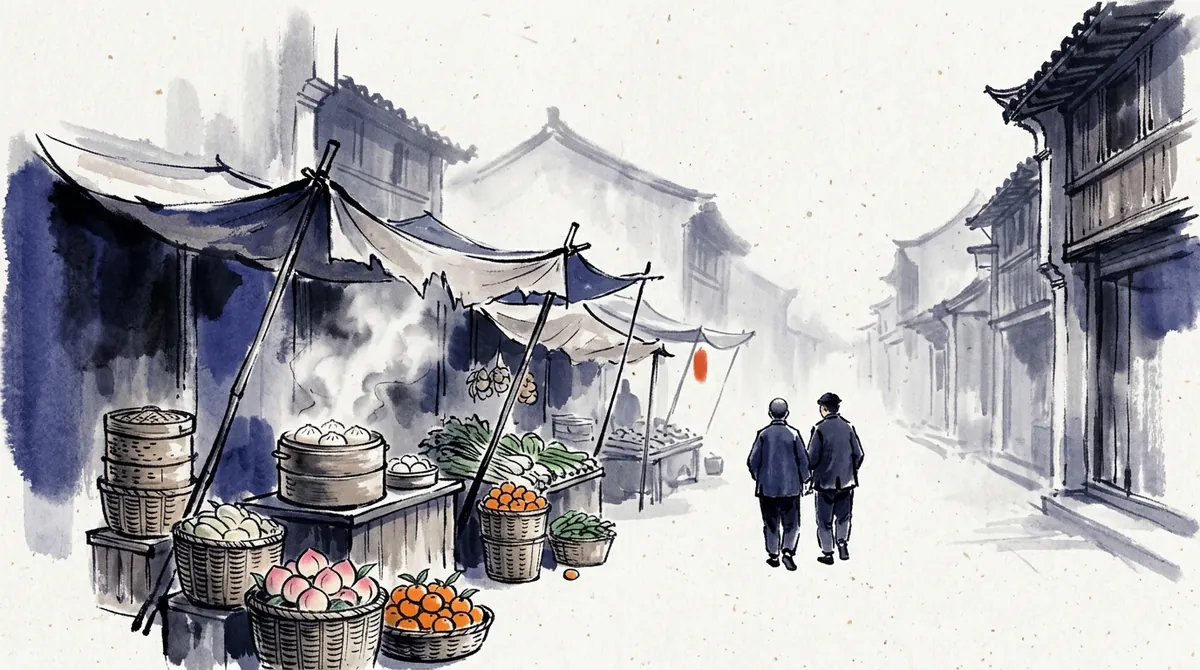
The cooking verbs are worth learning together: 煮 (zhǔ) is to boil, 炒 (chǎo) to stir-fry and 油炸 (yóuzhá) to deep-fry. 清淡 (qīngdàn) describes light food that isn't oily or heavily seasoned, which is what you ask for if you're unwell. 点心 (diǎnxin) means snacks and pastries, including dim sum.
| Word | Pinyin | Meaning | Example sentence |
|---|---|---|---|
| 冰激凌 | bīngjīlíng | ice cream | 这个冰激凌的味道极好!zhège bīngjīlíng de wèidao jí hǎo!This ice cream tastes superb!Not yet checked by a native speaker |
| 炒 | chǎo | to stir-fry, to fry | 我用普通油还是黄油来炒洋葱呢?wǒ yòng pǔtōng yóu háishi huángyóu lái chǎo yángcōng ne?Should I fry the onions in ordinary oil or in butter? |
| 醋 | cù | vinegar; jealousy | 他把醋洒在炸鱼土豆上。tā bǎ cù sǎ zài zháyú tǔdòu shàng.He sprinkled vinegar on his fish and chips. |
| 点心(點心) | diǎnxin | snack, light refreshments; pastry; dim sum | 我买了一些传统的点心,准备带给家人。wǒ mǎi le yìxiē chuántǒng de diǎnxin, zhǔnbèi dàigěi jiārén.I bought some traditional snacks to take to my family.Not yet checked by a native speaker |
| 豆腐 | dòufu | tofu, bean curd | 我的朋友教我们做豆腐。wǒ de péngyou jiāo wǒmen zuò dòufu.My friend taught us how to make tofu. |
| 锅(鍋) | guō | pot, pan, wok | 牛奶放在炉灶上的锅里热着。niúnǎi fàng zài lúzào shàng de guō lǐ rè zhe.The milk is warming in a pan on the cooker. |
| 海鲜(海鮮) | hǎixiān | seafood | 我对海鲜过敏。wǒ duì hǎixiān guòmǐn.I'm allergic to seafood.Not yet checked by a native speaker |
| 花生 | huāshēng | peanut | 他喜欢一边喝啤酒一边吃花生。tā xǐhuan yìbiān hē píjiǔ yìbiān chī huāshēng.He likes eating peanuts while he drinks beer.Sentence written for this page |
| 酱油(醬油) | jiàngyóu | soy sauce | 这个食谱需要两汤匙酱油。zhège shípǔ xūyào liǎng tāngchí jiàngyóu.This recipe needs two tablespoons of soy sauce.Not yet checked by a native speaker |
| 桔子 | júzi | tangerine, mandarin orange | 我最喜欢吃桔子,然后才是香蕉。wǒ zuì xǐhuan chī júzi, ránhòu cái shì xiāngjiāo.I like tangerines best, and after them bananas. |
| 开水(開水) | kāishuǐ | boiled water, boiling water | 小心,杯子里是开水。xiǎoxīn, bēizi lǐ shì kāishuǐ.Careful, there's boiling water in the cup.Sentence written for this page |
| 口味 | kǒuwèi | taste, flavour; personal taste | 我喜欢吃口味浓郁的食物。wǒ xǐhuan chī kǒuwèi nóngyù de shíwù.I like food with strong flavours. |
| 辣椒 | làjiāo | chilli, hot pepper | 辣椒的味道是怎样的?làjiāo de wèidao shì zěnyàng de?What does chilli taste like? |
| 梨 | lí | pear | 你想吃梨吗?nǐ xiǎng chī lí ma?Would you like a pear? |
| 粮食(糧食) | liángshi | grain, food crops | 今年的粮食收成很好。jīnnián de liángshi shōucheng hěn hǎo.This year's grain harvest is very good.Sentence written for this page |
| 零食 | língshí | snacks | 我弟弟经常一边看电视一边吃零食。wǒ dìdi jīngcháng yìbiān kàn diànshì yìbiān chī língshí.My younger brother often eats snacks while watching TV. |
| 馒头(饅頭) | mántou | steamed bun | 我要吃面条而不要吃馒头。wǒ yào chī miàntiáo ér bú yào chī mántou.I want noodles, not steamed buns. |
| 清淡 | qīngdàn | light (food), not greasy; mild | 我想吃点儿清淡的菜。wǒ xiǎng chī diǎnr qīngdàn de cài.I'd like to eat something light.Sentence written for this page |
| 食物 | shíwù | food | 我习惯吃不咸的食物。wǒ xíguàn chī bù xián de shíwù.I'm used to eating food that isn't salty. |
| 蔬菜 | shūcài | vegetables | 我们在花园里种了许多蔬菜。wǒmen zài huāyuán lǐ zhòng le xǔduō shūcài.We've grown many vegetables in our garden. |
| 桃 | táo | peach | 我喜欢熟桃的香甜味。wǒ xǐhuan shú táo de xiāngtián wèi.I love the sweet taste of ripe peaches.Not yet checked by a native speaker |
| 土豆 | tǔdòu | potato | 用叉子插土豆。yòng chāzi chā tǔdòu.Stick the fork into the potato. |
| 胃口 | wèikǒu | appetite; liking | 他生病以来胃口就不大好。tā shēngbìng yǐlái wèikǒu jiù bú dà hǎo.His appetite hasn't been very good since he fell ill. |
| 香肠(香腸) | xiāngcháng | sausage | 她喜欢香肠和土豆泥。tā xǐhuan xiāngcháng hé tǔdòuní.She likes sausage and mash.Not yet checked by a native speaker |
| 小麦(小麥) | xiǎomài | wheat | 这种小麦可以在寒冷的春天生长。zhè zhǒng xiǎomài kěyǐ zài hánlěng de chūntiān shēngzhǎng.This strain of wheat can grow during a cold spring. |
| 宴会(宴會) | yànhuì | banquet, dinner party | 我们说服她参加了宴会。wǒmen shuōfú tā cānjiā le yànhuì.We persuaded her to come to the dinner party. |
| 营养(營養) | yíngyǎng | nutrition, nourishment | 我们的身体需要充足的营养。wǒmen de shēntǐ xūyào chōngzú de yíngyǎng.Our bodies need adequate nutrition. |
| 油炸 | yóuzhá | to deep-fry | 酥脆炸鸡的秘诀是两次油炸。sūcuì zhájī de mìjué shì liǎng cì yóuzhá.The secret of crispy fried chicken is frying it twice.Not yet checked by a native speaker |
| 玉米 | yùmǐ | maize, sweetcorn | 去年玉米丰收。qùnián yùmǐ fēngshōu.There was a bumper maize harvest last year. |
| 煮 | zhǔ | to boil, to cook | 土豆可先煮至半熟再烤。tǔdòu kě xiān zhǔ zhì bàn shú zài kǎo.Potatoes can be parboiled before roasting. |
| 醉 | zuì | drunk | 他昨天晚上喝醉了。tā zuótiān wǎnshang hē zuì le.He got drunk last night.Sentence written for this page |
Clothes, Shopping and Appearance
光临 (guānglín) is a polite word for a customer's visit, and you'll hear it as 欢迎光临 (huānyíng guānglín, "welcome") when you walk into a shop. 讨价还价 (tǎojiàhuánjià, to haggle) is one of only two four-character words on the HSK 5 list; the other, 名胜古迹, is in the travel table. In 系领带 (jì lǐngdài, to tie a tie), 系 is read jì, not xì as in 系 "department".
| Word | Pinyin | Meaning | Example sentence |
|---|---|---|---|
| 布 | bù | cloth; to announce; to spread | 我买了一块蓝色的布。wǒ mǎi le yí kuài lánsè de bù.I bought a piece of blue cloth.Sentence written for this page |
| 耳环(耳環) | ěrhuán | earring | 她戴着一对漂亮的耳环。tā dài zhe yí duì piàoliang de ěrhuán.She's wearing a pair of beautiful earrings.Sentence written for this page |
| 服装(服裝) | fúzhuāng | clothing, clothes; costume | 她对服装有很好的审美眼光。tā duì fúzhuāng yǒu hěn hǎo de shěnměi yǎnguāng.She has good taste in clothes. |
| 高档(高檔) | gāodàng | top quality, upmarket | 高档家具总是很畅销。gāodàng jiājù zǒngshì hěn chàngxiāo.High-end furniture always sells well. |
| 光临(光臨) | guānglín | (polite) to come, to visit; welcome | 欢迎光临我们的小店!huānyíng guānglín wǒmen de xiǎo diàn!Welcome to our little shop!Sentence written for this page |
| 柜台(櫃檯) | guìtái | counter, front desk | 他把钱放在柜台上。tā bǎ qián fàng zài guìtái shàng.He put the money on the counter. |
| 系领带(繫領帶) | jì lǐngdài | to tie a tie, to wear a tie | 我不会系领带,你能帮我吗?wǒ bú huì jì lǐngdài, nǐ néng bāng wǒ ma?I can't tie a tie. Can you help me?Sentence written for this page |
| 结账(結賬) | jiézhàng | to pay the bill; to settle accounts | 服务员,我们想结账。fúwùyuán, wǒmen xiǎng jiézhàng.Waiter, we'd like to pay the bill.Not yet checked by a native speaker |
| 戒指 | jièzhi | (finger) ring | 她左手上戴着一枚钻石戒指。tā zuǒshǒu shàng dài zhe yì méi zuànshí jièzhi.She wears a diamond ring on her left hand. |
| 苗条(苗條) | miáotiao | slim, slender | 她个子高高的,很苗条。tā gèzi gāogāo de, hěn miáotiao.She's tall and very slim.Sentence written for this page |
| 名牌 | míngpái | famous brand, designer label; name tag | 她要进入名牌大学学习的梦想实现了。tā yào jìnrù míngpái dàxué xuéxí de mèngxiǎng shíxiàn le.Her dream of studying at a top university came true. |
| 模特 | mótè | model (fashion, art) | 那位漂亮的女孩是一位时装模特儿。nà wèi piàoliang de nǚhái shì yí wèi shízhuāng mótèr.That pretty girl is a fashion model. |
| 牛仔裤(牛仔褲) | niúzǎikù | jeans | 他穿着一条沾满油污的旧牛仔裤。tā chuān zhe yì tiáo zhānmǎn yóuwū de jiù niúzǎikù.He is wearing an old pair of jeans covered in grease. |
| 日用品 | rìyòngpǐn | everyday items, daily necessities | 我要去购物,因为我需要买些日用品。wǒ yào qù gòuwù, yīnwèi wǒ xūyào mǎi xiē rìyòngpǐn.I'm going shopping because I need to buy some everyday items. |
| 商品 | shāngpǐn | goods, product, merchandise | 这些商品的供应量十分充足。zhèxiē shāngpǐn de gōngyìngliàng shífēn chōngzú.There is a plentiful supply of these goods. |
| 市场(市場) | shìchǎng | market | 我想去附近的市场购物。wǒ xiǎng qù fùjìn de shìchǎng gòuwù.I would like to go shopping at the nearby market. |
| 时髦(時髦) | shímáo | fashionable, trendy | 为赶时髦她花费了不少钱。wèi gǎn shímáo tā huāfèi le bù shǎo qián.She spent a lot of money keeping up with fashion. |
| 时尚(時尚) | shíshàng | fashion; fashionable | 在法国,演员引领时尚潮流。zài fǎguó, yǎnyuán yǐnlǐng shíshàng cháoliú.In France, actors set the fashion trends. |
| 收据(收據) | shōujù | receipt | 请寄给我一张收到此款的收据。qǐng jì gěi wǒ yì zhāng shōudào cǐ kuǎn de shōujù.Please send me a receipt for this payment. |
| 手套 | shǒutào | glove, mitten | 有人把我的手套拿走了。yǒu rén bǎ wǒ de shǒutào ná zǒu le.Someone has taken my gloves. |
| 丝绸(絲綢) | sīchóu | silk | 这条围巾是丝绸做的。zhè tiáo wéijīn shì sīchóu zuò de.This scarf is made of silk.Sentence written for this page |
| 讨价还价(討價還價) | tǎojiàhuánjià | to haggle, to bargain | 他就财产与他们进行讨价还价。tā jiù cáichǎn yǔ tāmen jìnxíng tǎojiàhuánjià.He bargained with them over the property. |
| 围巾(圍巾) | wéijīn | scarf | 把围巾围在你的脖子上。bǎ wéijīn wéi zài nǐ de bózi shang.Wrap a scarf round your neck. |
| 项链(項鏈) | xiàngliàn | necklace | 今天她戴了一条珍珠项链。jīntiān tā dài le yì tiáo zhēnzhū xiàngliàn.She's wearing a pearl necklace today. |
| 样式(樣式) | yàngshì | style, pattern, type | 这件衣服的样式真好看,它一定会流行好几年。zhè jiàn yīfu de yàngshì zhēn hǎokàn, tā yídìng huì liúxíng hǎo jǐ nián.The style of this dress is really nice; it's sure to be fashionable for years. |
| 优惠(優惠) | yōuhuì | discount; preferential, favourable | 他从商店里得到了几张优惠券。tā cóng shāngdiàn lǐ dédào le jǐ zhāng yōuhuìquàn.He got several discount vouchers from the shop. |
Travel, Transport and Directions
名胜古迹 (míngshèng gǔjì) means famous scenic spots and historic sites, the kind of places on a sightseeing list. 时差 (shíchā) is the time difference between places, and 倒时差 (dǎo shíchā) is getting over jet lag.
| Word | Pinyin | Meaning | Example sentence |
|---|---|---|---|
| 长途(長途) | chángtú | long-distance | 她乘船在海上长途旅行。tā chéng chuán zài hǎishàng chángtú lǚxíng.She went on a long sea voyage.Not yet checked by a native speaker |
| 车厢(車廂) | chēxiāng | carriage (of a train), coach | 他们把火车的车厢连接起来。tāmen bǎ huǒchē de chēxiāng liánjiē qǐlai.They coupled the carriages of the train together. |
| 到达(到達) | dàodá | to arrive, to reach | 那辆火车三点钟准时到达。nà liàng huǒchē sān diǎn zhōng zhǔnshí dàodá.The train arrived at three o'clock on the dot. |
| 拐弯(拐彎) | guǎiwān | to turn (a corner); to change direction | 他拐弯时往右看了一下。tā guǎiwān shí wǎng yòu kàn le yíxià.He looked to the right as he turned the corner.Not yet checked by a native speaker |
| 海关(海關) | hǎiguān | customs | 他父亲是一位海关官员。tā fùqīn shì yí wèi hǎiguān guānyuán.His father is a customs officer. |
| 驾驶(駕駛) | jiàshǐ | to drive, to pilot | 她还没通过驾驶考试。tā hái méi tōngguò jiàshǐ kǎoshì.She hasn't passed her driving test yet. |
| 卡车(卡車) | kǎchē | lorry, truck | 他们用卡车运煤。tāmen yòng kǎchē yùn méi.They use lorries to transport coal. |
| 列车(列車) | lièchē | train | 这趟列车是开往北京的。zhè tàng lièchē shì kāiwǎng běijīng de.This train is bound for Beijing. |
| 名胜古迹(名勝古跡) | míngshènggǔjì | places of historic interest and scenic beauty | 他喜欢参观名胜古迹。tā xǐhuan cānguān míngshènggǔjì.He likes visiting historic sites and scenic spots. |
| 摩托车(摩托車) | mótuōchē | motorbike, motorcycle | 他明天早晨将擦洗他的摩托车。tā míngtiān zǎochen jiāng cāxǐ tā de mótuōchē.He is going to clean his motorbike tomorrow morning. |
| 汽油 | qìyóu | petrol | 他们又提高了汽油的价格。tāmen yòu tígāo le qìyóu de jiàgé.They have put up the price of petrol again. |
| 时差(時差) | shíchā | time difference; jet lag | 我还在倒时差。wǒ hái zài dǎo shíchā.I'm still getting over jet lag. |
| 随身(隨身) | suíshēn | (to carry) on one's person, with one | 我把护照放在随身行李里了。wǒ bǎ hùzhào fàng zài suíshēn xíngli lǐ le.I put my passport in my hand luggage.Not yet checked by a native speaker |
| 往返 | wǎngfǎn | to go there and back; return (trip) | 我刚刚买了一张往返的机票。wǒ gānggāng mǎi le yì zhāng wǎngfǎn de jīpiào.I've just bought a return plane ticket. |
| 行人 | xíngrén | pedestrian, passer-by | 这些道路上车辆行人很多。zhèxiē dàolù shang chēliàng xíngrén hěn duō.There are a lot of vehicles and pedestrians on these roads. |
| 游览(遊覽) | yóulǎn | to go sightseeing, to tour | 我游览伦敦时喜欢坐公共汽车。wǒ yóulǎn lúndūn shí xǐhuan zuò gōnggòng qìchē.When I go sightseeing in London, I like to travel by bus. |
| 预订(預訂) | yùdìng | to book, to reserve | 我们预订了下一班的机票。wǒmen yùdìng le xià yì bān de jīpiào.We've booked tickets for the next flight. |
| 运输(運輸) | yùnshū | to transport; transport | 在运输系统中,铁路的重要性逐渐下降。zài yùnshū xìtǒng zhōng, tiělù de zhòngyàoxìng zhújiàn xiàjiàng.In the transport system, the railways have gradually become less important.Not yet checked by a native speaker |
Places, Buildings and Geography
胡同 (hútòng) are the narrow lanes of old Beijing. 县 (xiàn, county) is a level of local government below the province. 位于 (wèiyú, to be located in) is the formal way to say where something is: 上海位于中国东部 (shànghǎi wèiyú zhōngguó dōngbù), "Shanghai is in eastern China".
| Word | Pinyin | Meaning | Example sentence |
|---|---|---|---|
| 岸 | àn | bank, shore | 他们把船拖上岸。tāmen bǎ chuán tuō shàng àn.They pulled the boat up onto the shore. |
| 博物馆(博物館) | bówùguǎn | museum | 导游带领游客参观博物馆。dǎoyóu dàilǐng yóukè cānguān bówùguǎn.The guide showed the visitors round the museum. |
| 当地(當地) | dāngdì | local | 他经常给当地报纸写文章。tā jīngcháng gěi dāngdì bàozhǐ xiě wénzhāng.He often writes articles for the local paper. |
| 岛屿(島嶼) | dǎoyǔ | island | 台湾是座美丽的岛屿,这是不可否认的。táiwān shì zuò měilì de dǎoyǔ, zhè shì bùkě fǒurèn de.There's no denying that Taiwan is a beautiful island. |
| 大厦(大廈) | dàshà | large building, tower block | 他给我展示了大厦的模型。tā gěi wǒ zhǎnshì le dàshà de móxíng.He showed me a model of the building. |
| 地区(地區) | dìqū | area, region, district | 我住在中国的北部地区。wǒ zhù zài zhōngguó de běibù dìqū.I live in the north of China. |
| 洞 | dòng | hole; cave | 那鸟在冰上啄出了一个洞。nà niǎo zài bīng shàng zhuóchū le yí ge dòng.The bird pecked a hole in the ice. |
| 广场(廣場) | guǎngchǎng | (public) square, plaza | 往右转,你会看到一个大广场。wǎng yòu zhuǎn, nǐ huì kàndào yí ge dà guǎngchǎng.Turn right and you'll see a large square. |
| 胡同 | hútòng | lane, alley (hutong) | 我小时候住在北京的一条胡同里。wǒ xiǎo shíhou zhù zài běijīng de yì tiáo hútòng lǐ.When I was little, I lived in a hutong lane in Beijing.Sentence written for this page |
| 建设(建設) | jiànshè | to build, to construct; construction | 这座城市正在建设新的地铁线。zhè zuò chéngshì zhèngzài jiànshè xīn de dìtiě xiàn.The city is building a new metro line.Sentence written for this page |
| 建筑(建築) | jiànzhù | building, architecture; to build | 建筑材料很昂贵。jiànzhù cáiliào hěn ángguì.Building materials are expensive. |
| 家乡(家鄉) | jiāxiāng | hometown, home village | 总有一天我会回到家乡。zǒng yǒu yì tiān wǒ huì huídào jiāxiāng.One day I'll go back to my hometown. |
| 酒吧 | jiǔbā | bar, pub | 我们逐一光顾了城里所有的酒吧。wǒmen zhúyī guānggù le chéng lǐ suǒyǒu de jiǔbā.We went round all the pubs in town, one after another. |
| 陆地(陸地) | lùdì | land (as opposed to the sea) | 他扫视着地平线,寻找陆地。tā sǎoshì zhe dìpíngxiàn, xúnzhǎo lùdì.He scanned the horizon, looking for land. |
| 农村(農村) | nóngcūn | countryside, rural area; village | 很多农民离开农村转向工业工作。hěn duō nóngmín líkāi nóngcūn zhuǎnxiàng gōngyè gōngzuò.Many farmers are leaving the countryside to work in industry. |
| 欧洲(歐洲) | ōuzhōu | Europe | 我好想明年暑假去一趟欧洲。wǒ hǎo xiǎng míngnián shǔjià qù yí tàng ōuzhōu.I'd really love to take a trip to Europe in the summer holidays next year. |
| 沙漠 | shāmò | desert | 沙漠里有许多沙丘。shāmò li yǒu xǔduō shāqiū.There are lots of sand dunes in the desert. |
| 沙滩(沙灘) | shātān | beach, sandy shore | 我们去海边沙滩上玩。wǒmen qù hǎibiān shātān shang wán.We went to play on the beach. |
| 设施(設施) | shèshī | facilities | 我今天去公园玩了有趣的游乐设施。wǒ jīntiān qù gōngyuán wán le yǒuqù de yóulè shèshī.Today I went to the park and had fun on the rides. |
| 台阶(臺階) | táijiē | step, steps; way out of an awkward situation | 留心那级台阶,它有点松动了。liúxīn nà jí táijiē, tā yǒudiǎn sōngdòng le.Mind that step, it's a bit loose. |
| 土地 | tǔdì | land; soil; territory | 政府应该保护我们的土地,而不是出卖它。zhèngfǔ yīnggāi bǎohù wǒmen de tǔdì, ér bú shì chūmài tā.The government should protect our land, not sell it. |
| 位于(位於) | wèiyú | to be located in, to lie at | 我住的房子位于城市的西边。wǒ zhù de fángzi wèiyú chéngshì de xībian.The house I live in is located on the west side of the city. |
| 位置 | wèizhi | position, location; seat, place | 他坐在我右边的位置。tā zuò zài wǒ yòubian de wèizhi.He sat in the seat on my right. |
| 县(縣) | xiàn | county | 这个县有十几万人。zhège xiàn yǒu shí jǐ wàn rén.This county has a population of over a hundred thousand.Sentence written for this page |
| 中心 | zhōngxīn | centre; heart, core | 新图书馆建在校园的中心。xīn túshūguǎn jiàn zài xiàoyuán de zhōngxīn.The new library was built in the centre of the campus. |
Time, Dates and Events
年代 (niándài) is a decade: 八十年代 (bāshí niándài) is "the eighties". 中旬 (zhōngxún) is the middle ten days of a month, so 十月中旬 is mid-October. 公元 (gōngyuán) is AD, and 国庆节 (guóqìngjié) is China's National Day, 1 October.
| Word | Pinyin | Meaning | Example sentence |
|---|---|---|---|
| 傍晚 | bàngwǎn | dusk, early evening | 我们希望傍晚时能回来。wǒmen xīwàng bàngwǎn shí néng huílai.We hope to be back by dusk. |
| 从此(從此) | cóngcǐ | from then on, from now on | 他们从此过上了幸福的生活。tāmen cóngcǐ guò shàng le xìngfú de shēnghuó.From then on, they lived a happy life.Sentence written for this page |
| 从前(從前) | cóngqián | in the past, formerly; once upon a time | 这本书从前很出名,现在没人看了。zhè běn shū cóngqián hěn chūmíng, xiànzài méi rén kàn le.This book was once famous, but nobody reads it today. |
| 度过(度過) | dùguò | to spend (time), to get through | 去年我度过了美好的假期。qùnián wǒ dùguò le měihǎo de jiàqī.I had a wonderful holiday last year. |
| 公元 | gōngyuán | AD, CE (Common Era) | 孔子出生于公元前551年。kǒngzǐ chūshēng yú gōngyuánqián wǔbǎi wǔshíyī nián.Confucius was born in 551 BC.Sentence written for this page |
| 过期(過期) | guòqī | to expire, to be out of date | 这些食物已经过期了,最好不要再吃了。zhèxiē shíwù yǐjīng guòqī le, zuìhǎo bú yào zài chī le.This food is out of date, so it's best not to eat it.Not yet checked by a native speaker |
| 国庆节(國慶節) | guóqìngjié | National Day (1 October) | 今年国庆节刚好是星期日。jīnnián guóqìngjié gānghǎo shì xīngqīrì.National Day falls on a Sunday this year. |
| 阶段(階段) | jiēduàn | stage, phase | 改革正处于关键阶段。gǎigé zhèng chǔyú guānjiàn jiēduàn.The reform is now at a critical stage. |
| 开幕式(開幕式) | kāimùshì | opening ceremony | 我们有必要参加开幕式。wǒmen yǒu bìyào cānjiā kāimùshì.We need to attend the opening ceremony. |
| 连续(連續) | liánxù | continuous, in a row, consecutive | 周一周二连续两天我们都将开会。zhōuyī zhōu'èr liánxù liǎng tiān wǒmen dōu jiāng kāihuì.We'll have meetings two days in a row, on Monday and Tuesday. |
| 目前 | mùqián | at present, currently | 我妹妹目前在上高中。wǒ mèimei mùqián zài shàng gāozhōng.My younger sister is at secondary school at the moment. |
| 年代 | niándài | decade (e.g. the eighties); era, period | 二十世纪六十年代出现了许多新兴国家。èrshí shìjì liùshí niándài chūxiàn le xǔduō xīnxīng guójiā.Many new nations emerged in the 1960s. |
| 期间(期間) | qījiān | period, time; during | 新年期间我去看你。xīnnián qījiān wǒ qù kàn nǐ.I'll come and see you over the New Year. |
| 庆祝(慶祝) | qìngzhù | to celebrate | 后天是我的生日,我打算和朋友们一起庆祝。hòutiān shì wǒ de shēngrì, wǒ dǎsuàn hé péngyoumen yìqǐ qìngzhù.The day after tomorrow is my birthday, and I'm going to celebrate with my friends. |
| 日程 | rìchéng | schedule, itinerary | 我需要记住明天的日程安排。wǒ xūyào jìzhù míngtiān de rìchéng ānpái.I need to remember tomorrow's schedule. |
| 日历(日曆) | rìlì | calendar | 我每天使用手机日历提醒我重要的事件和约会。wǒ měitiān shǐyòng shǒujī rìlì tíxǐng wǒ zhòngyào de shìjiàn hé yuēhuì.Every day I use the calendar on my phone to remind me of important events and appointments. |
| 日期 | rìqī | date | 你们选定结婚日期了吗?nǐmen xuǎndìng jiéhūn rìqī le ma?Have you set a date for the wedding? |
| 日子 | rìzi | day, date; life, times | 星期日是我休息的日子。xīngqīrì shì wǒ xiūxi de rìzi.Sunday is my day off. |
| 如今 | rújīn | nowadays, these days | 如今必须有高度的竞争意识才能在体育运动中取胜。rújīn bìxū yǒu gāodù de jìngzhēng yìshí cái néng zài tǐyù yùndòng zhōng qǔshèng.Nowadays you have to be highly competitive to win in sport. |
| 时代(時代) | shídài | era, age, times; period (of one's life) | 要不是报纸,我们都赶不上时代了。yàobushì bàozhǐ, wǒmen dōu gǎnbushàng shídài le.Without newspapers, we would all fall behind the times. |
| 时刻(時刻) | shíkè | moment, time; constantly, at all times | 我希望能记住这个美好的时刻。wǒ xīwàng néng jìzhù zhège měihǎo de shíkè.I hope to remember this wonderful moment. |
| 时期(時期) | shíqī | period, phase | 我的童年时期是在农村度过的。wǒ de tóngnián shíqī shì zài nóngcūn dùguò de.I spent my childhood years in the countryside.Sentence written for this page |
| 未来(未來) | wèilái | future; coming, next | 你的鼓励使我对我的未来更加有信心。nǐ de gǔlì shǐ wǒ duì wǒ de wèilái gèngjiā yǒu xìnxīn.Your encouragement made me more confident of my future. |
| 现代(現代) | xiàndài | modern; modern times | 你对现代艺术有何看法?nǐ duì xiàndài yìshù yǒu hé kànfǎ?What do you think of modern art? |
| 夜 | yè | night | 把这些干豆子泡一夜。bǎ zhèxiē gān dòuzi pào yí yè.Soak these dried beans overnight. |
| 一辈子(一輩子) | yībèizi | all one's life, a lifetime | 她讲了一辈子中文。tā jiǎng le yíbèizi zhōngwén.She has spoken Chinese all her life. |
| 以来(以來) | yǐlái | since | 这几个月以来我朋友一直都很认真地锻炼身体。zhè jǐ ge yuè yǐlái wǒ péngyou yìzhí dōu hěn rènzhēn de duànliàn shēntǐ.For the past few months my friend has been exercising very seriously. |
| 元旦 | yuándàn | New Year's Day | 明天是元旦。míngtiān shì yuándàn.Tomorrow is New Year's Day. |
| 中旬 | zhōngxún | the middle ten days of a month | 我们下个月中旬去北京。wǒmen xià ge yuè zhōngxún qù běijīng.We're going to Beijing in the middle of next month.Sentence written for this page |
| 最初 | zuìchū | at first, initially; initial, original | 最初她只是微笑,后来才放声大笑。zuìchū tā zhǐshì wēixiào, hòulái cái fàngshēng dàxiào.At first she just smiled, then she burst out laughing. |
Weather, Nature and the Environment
A weather forecast is 天气预报 (tiānqì yùbào). 闪电 (shǎndiàn) is lightning, and 雷 (léi) is thunder, usually heard as 打雷 (dǎléi, to thunder) or 雷声 (léishēng, a clap of thunder).
| Word | Pinyin | Meaning | Example sentence |
|---|---|---|---|
| 彩虹 | cǎihóng | rainbow | 大雨之后常有彩虹。dàyǔ zhīhòu cháng yǒu cǎihóng.There is often a rainbow after heavy rain. |
| 潮湿(潮濕) | cháoshī | damp, humid | 这个地方不但很冷,而且很潮湿。zhège dìfang búdàn hěn lěng, érqiě hěn cháoshī.This place is not only cold but also very damp. |
| 池塘 | chítáng | pond | 池塘边有许多花。chítáng biān yǒu xǔduō huā.There are lots of flowers by the pond. |
| 地震 | dìzhèn | earthquake | 地震对这个城市造成了大破坏。dìzhèn duì zhège chéngshì zàochéng le dà pòhuài.The earthquake caused great damage to the city. |
| 冻(凍) | dòng | to freeze; to feel very cold | 衣服在晾衣绳上冻住了。yīfu zài liàngyīshéng shàng dòngzhù le.The clothes froze on the washing line. |
| 分布(分佈) | fēnbù | to be spread over, to be distributed | 我们的国家森林分布很广。wǒmen de guójiā sēnlín fēnbù hěn guǎng.Forests are widespread in our country. |
| 风景(風景) | fēngjǐng | scenery, landscape | 南方的风景很美丽。nánfāng de fēngjǐng hěn měilì.The scenery in the south is beautiful. |
| 干燥(乾燥) | gānzào | dry, arid | 干燥的天气之后,人人都希望下雨。gānzào de tiānqì zhīhòu, rénrén dōu xīwàng xiàyǔ.After the dry weather, everyone is hoping for rain. |
| 雷 | léi | thunder | 远处雷声隆隆。yuǎnchù léishēng lónglóng.The thunder rumbled in the distance. |
| 能源 | néngyuán | energy, energy source | 太阳能是一种新型能源。tàiyángnéng shì yì zhǒng xīnxíng néngyuán.Solar energy is a new type of energy source.Not yet checked by a native speaker |
| 闪电(閃電) | shǎndiàn | lightning | 闪电通常伴有雷声。shǎndiàn tōngcháng bànyǒu léishēng.Lightning is usually accompanied by thunder. |
| 湿润(濕潤) | shīrùn | moist, damp, humid | 湿润的风从南方吹来。shīrùn de fēng cóng nánfāng chuīlái.A moist wind is blowing from the south. |
| 石头(石頭) | shítou | stone, rock | 他把一块石头扔进了河里。tā bǎ yí kuài shítou rēngjìn le hé li.He threw a stone into the river.Sentence written for this page |
| 收获(收穫) | shōuhuò | harvest; gains, results; to harvest | 因为现在是收获期,所以我们都非常忙。yīnwèi xiànzài shì shōuhuòqī, suǒyǐ wǒmen dōu fēicháng máng.We are all very busy because it's harvest time. |
| 天空 | tiānkōng | sky | 天空慢慢由蓝色变为红色。tiānkōng mànmàn yóu lánsè biànwéi hóngsè.The sky slowly changed from blue to red. |
| 温暖(溫暖) | wēnnuǎn | warm; warmth | 南方的气候比北方温暖。nánfāng de qìhòu bǐ běifāng wēnnuǎn.The climate in the south is warmer than in the north. |
| 雾(霧) | wù | fog, mist | 太阳驱散了雾。tàiyáng qūsàn le wù.The sun dispelled the fog. |
| 影子 | yǐngzi | shadow; reflection; trace | 椅子的影子映到墙上了。yǐzi de yǐngzi yìng dào qiáng shàng le.The chair's shadow fell on the wall. |
| 预报(預報) | yùbào | forecast; to forecast | 明天的天气预报怎么样?míngtiān de tiānqì yùbào zěnmeyàng?What's the weather forecast for tomorrow? |
| 灾害(災害) | zāihài | disaster, calamity | 这场自然灾害造成了很大的损失。zhè cháng zìrán zāihài zàochéng le hěn dà de sǔnshī.This natural disaster caused great losses.Sentence written for this page |
| 资源(資源) | zīyuán | resources, natural resources | 政府想把更多的资源用于教育方面。zhèngfǔ xiǎng bǎ gèng duō de zīyuán yòng yú jiàoyù fāngmiàn.The government wants to put more resources into education. |
Animals and Plants
The animals of the Chinese zodiac turn up here: 老鼠 (lǎoshǔ, rat or mouse), 兔子 (tùzi, rabbit), 蛇 (shé, snake), 猴子 (hóuzi, monkey) and 猪 (zhū, pig). The dragon, 龙 (lóng), is in the culture table.
| Word | Pinyin | Meaning | Example sentence |
|---|---|---|---|
| 翅膀 | chìbǎng | wing | 鸟儿展开翅膀飞翔。niǎor zhǎnkāi chìbǎng fēixiáng.The birds spread their wings and fly. |
| 宠物(寵物) | chǒngwù | pet | 我养了一些小鸡当宠物。wǒ yǎng le yìxiē xiǎojī dāng chǒngwù.I keep some chicks as pets. |
| 大象 | dàxiàng | elephant | 上星期你在动物园里看到大象了吗?shàng xīngqī nǐ zài dòngwùyuán lǐ kàndào dàxiàng le ma?Did you see the elephants at the zoo last week? |
| 果实(果實) | guǒshí | fruit (of a plant); results, fruits | 树木能结出果实。shùmù néng jiēchū guǒshí.Trees bear fruit.Not yet checked by a native speaker |
| 猴子 | hóuzi | monkey | 猴子头向下倒挂在树枝上。hóuzi tóu xiàng xià dàoguà zài shùzhī shàng.The monkey was hanging upside down from the branch.Not yet checked by a native speaker |
| 蝴蝶 | húdié | butterfly | 他白费力气想抓住停在花上的蝴蝶。tā báifèi lìqi xiǎng zhuāzhù tíng zài huā shàng de húdié.He tried in vain to catch the butterfly sitting on the flower. |
| 昆虫(昆蟲) | kūnchóng | insect | 蝙蝠在夜间飞行,以昆虫为食。biānfú zài yèjiān fēixíng, yǐ kūnchóng wéi shí.Bats fly at night and feed on insects.Not yet checked by a native speaker |
| 老鼠 | lǎoshǔ | mouse, rat | 猫捉老鼠是本能。māo zhuō lǎoshǔ shì běnnéng.Catching mice comes naturally to cats. |
| 蜜蜂 | mìfēng | bee, honeybee | 蜜蜂采蜜时常使花受粉。mìfēng cǎi mì shí cháng shǐ huā shòufěn.Bees often pollinate flowers as they gather nectar. |
| 蛇 | shé | snake | 我怕蛇。wǒ pà shé.I'm afraid of snakes. |
| 狮子(獅子) | shīzi | lion | 狮子抓住猎物,把它吃了。shīzi zhuāzhù lièwù, bǎ tā chī le.The lion caught its prey and ate it. |
| 兔子 | tùzi | rabbit, hare | 兔子和狐狸在英国很常见。tùzi hé húli zài yīngguó hěn chángjiàn.Rabbits and foxes are common in Britain. |
| 尾巴 | wěiba | tail | 狗摇了摇尾巴。gǒu yáo le yáo wěiba.The dog wagged its tail. |
| 猪(豬) | zhū | pig | 猪已喂过了吗?zhū yǐ wèi guo le ma?Have the pigs been fed yet? |
| 竹子 | zhúzi | bamboo | 竹子是中空的。zhúzi shì zhōngkōng de.Bamboo is hollow. |
School, Study and Language
Several of these are words about learning Chinese itself: 拼音 (pīnyīn), 声调 (shēngdiào, tone), 成语 (chéngyǔ, a set phrase or idiom), 标点 (biāodiǎn, punctuation) and 词汇 (cíhuì, vocabulary). 念 (niàn) is to read aloud, and in 系 (xì), a university department, 系 has a different reading from the one in 系领带.
| Word | Pinyin | Meaning | Example sentence |
|---|---|---|---|
| 本科 | běnkē | undergraduate course; undergraduate | 她本科学的是历史。tā běnkē xué de shì lìshǐ.She studied history as an undergraduate.Sentence written for this page |
| 标点(標點) | biāodiǎn | punctuation, punctuation mark | 我们的老师对标点符号非常重视。wǒmen de lǎoshī duì biāodiǎn fúhào fēicháng zhòngshì.Our teacher takes punctuation very seriously. |
| 参考(參考) | cānkǎo | to consult, to refer to; reference | 讲话时他经常参考笔记。jiǎnghuà shí tā jīngcháng cānkǎo bǐjì.He often referred to his notes while he was speaking. |
| 操场(操場) | cāochǎng | playground, sports ground | 小朋友们在操场上玩得很开心。xiǎopéngyǒumen zài cāochǎng shàng wán de hěn kāixīn.The children had a great time in the playground. |
| 测验(測驗) | cèyàn | test; to test | 明天我们将进行历史测验。míngtiān wǒmen jiāng jìnxíng lìshǐ cèyàn.Tomorrow we'll have a history test. |
| 抄 | chāo | to copy (out); to copy (cheat) | 我真的需要把它抄下来吗?wǒ zhēn de xūyào bǎ tā chāo xiàlai ma?Do I really need to copy it down? |
| 成语(成語) | chéngyǔ | idiom, set phrase (usually four characters) | 成语通常不能照字面译成另一种语言。chéngyǔ tōngcháng bù néng zhào zìmiàn yì chéng lìng yì zhǒng yǔyán.Idioms usually can't be translated literally into another language.Not yet checked by a native speaker |
| 尺子 | chǐzi | ruler | 用这把尺子能量得准吗?yòng zhè bǎ chǐzi néng liáng de zhǔn ma?Can you measure accurately with this ruler? |
| 词汇(詞彙) | cíhuì | vocabulary | 他们将逐步积累起一批内容多样,比例适当的词汇。tāmen jiāng zhúbù jīlěi qǐ yì pī nèiróng duōyàng, bǐlì shìdàng de cíhuì.They will gradually build up a varied, well-balanced vocabulary. |
| 单元(單元) | dānyuán | unit (of a textbook); entrance, block (of flats) | 我们今天学习第三单元。wǒmen jīntiān xuéxí dìsān dānyuán.Today we're studying Unit 3.Sentence written for this page |
| 地理 | dìlǐ | geography | 地理试题很难。dìlǐ shìtí hěn nán.The geography exam questions were hard. |
| 辅导(輔導) | fǔdǎo | to tutor, to coach; tutoring | 我为准备英语考试的人做辅导。wǒ wèi zhǔnbèi yīngyǔ kǎoshì de rén zuò fǔdǎo.I tutor people who are preparing for English exams.Not yet checked by a native speaker |
| 概括 | gàikuò | to summarise; brief, general | 请你概括一下这篇文章的内容。qǐng nǐ gàikuò yíxià zhè piān wénzhāng de nèiróng.Please summarise the content of this article.Sentence written for this page |
| 讲座(講座) | jiǎngzuò | lecture, talk | 有相当多的人来听讲座。yǒu xiāngdāng duō de rén lái tīng jiǎngzuò.Quite a few people came to the lecture. |
| 教材 | jiàocái | teaching materials, textbook | 我需要复习课文,以便更好地理解教材内容。wǒ xūyào fùxí kèwén, yǐbiàn gèng hǎo de lǐjiě jiàocái nèiróng.I need to revise the text so that I can understand the textbook better.Not yet checked by a native speaker |
| 及格 | jígé | to pass (an exam or test) | 她测验勉强及格。tā cèyàn miǎnqiǎng jígé.She only just scraped through the test. |
| 课程(課程) | kèchéng | course, curriculum | 你什么时候完成大学课程?nǐ shénme shíhou wánchéng dàxué kèchéng?When do you finish your university course? |
| 朗读(朗讀) | lǎngdú | to read aloud | 学生依次朗读他们各自的作业。xuésheng yīcì lǎngdú tāmen gèzì de zuòyè.The pupils took turns to read out their work. |
| 论文(論文) | lùnwén | thesis, dissertation, (academic) paper | 拖了那么久,他终于完成了论文。tuō le nàme jiǔ, tā zhōngyú wánchéng le lùnwén.After putting it off for so long, he finally finished his thesis. |
| 录取(錄取) | lùqǔ | to admit, to accept (a student or applicant) | 我申请的学院已经录取我了。wǒ shēnqǐng de xuéyuàn yǐjīng lùqǔ wǒ le.The college I applied to has accepted me. |
| 目录(目錄) | mùlù | catalogue; table of contents | 目录正在修订之中。mùlù zhèngzài xiūdìng zhīzhōng.The catalogue is being revised. |
| 念 | niàn | to read aloud; to study (at school) | 他把名单给我再念一遍,我一一进行核对。tā bǎ míngdān gěi wǒ zài niàn yí biàn, wǒ yīyī jìnxíng héduì.He read the list of names out to me again, and I checked them one by one. |
| 拼音 | pīnyīn | pinyin (Chinese romanisation) | 我会用拼音打字。wǒ huì yòng pīnyīn dǎzì.I can type using pinyin.Sentence written for this page |
| 声调(聲調) | shēngdiào | tone (of a Chinese syllable); tone of voice | 我觉得学习中文最麻烦的就是声调。wǒ juéde xuéxí zhōngwén zuì máfan de jiù shì shēngdiào.I think the most troublesome thing about learning Chinese is the tones.Not yet checked by a native speaker |
| 省略 | shěnglüè | to leave out, to omit | 你省略了这个句子中的动词。nǐ shěnglüè le zhège jùzi zhōng de dòngcí.You've left out the verb in this sentence. |
| 试卷(試卷) | shìjuàn | exam paper, test paper | 她一晚上都在批试卷。tā yì wǎnshang dōu zài pī shìjuàn.She spent the whole evening marking exam papers. |
| 宿舍 | sùshè | dormitory, hall of residence | 他住在学校的宿舍里。tā zhù zài xuéxiào de sùshè lǐ.He lives in the school dormitory. |
| 提纲(提綱) | tígāng | outline, notes | 他写下演讲的提纲。tā xiěxià yǎnjiǎng de tígāng.He wrote down an outline of his speech. |
| 题目(題目) | tímù | topic, title; (exam) question | 我们讨论的题目是:八十年代的欧洲。wǒmen tǎolùn de tímù shì: bāshí niándài de ōuzhōu.The topic of our discussion was: Europe in the 1980s. |
| 文具 | wénjù | stationery | 我需要买一些文具,像笔和笔记本。wǒ xūyào mǎi yìxiē wénjù, xiàng bǐ hé bǐjìběn.I need to buy some stationery, such as pens and notebooks.Not yet checked by a native speaker |
| 文字 | wénzì | writing, script; written text | 请你把这段文字的重点都标出来。qǐng nǐ bǎ zhè duàn wénzì de zhòngdiǎn dōu biāo chūlai.Please highlight the main points of this passage. |
| 物理 | wùlǐ | physics | 物理和数学都是我喜欢的科目。wùlǐ hé shùxué dōu shì wǒ xǐhuan de kēmù.Physics and maths are both subjects I enjoy. |
| 系 | xì | department, faculty; system | 你是哪个系的学生?nǐ shì nǎge xì de xuésheng?Which department are you a student in?Sentence written for this page |
| 夏令营(夏令營) | xiàlìngyíng | summer camp | 暑假我参加了一个英语夏令营。shǔjià wǒ cānjiā le yí ge yīngyǔ xiàlìngyíng.In the summer holidays I went to an English summer camp.Sentence written for this page |
| 写作(寫作) | xiězuò | to write; writing | 这学期他的写作有了很大进步。zhè xuéqī tā de xiězuò yǒu le hěn dà jìnbù.His writing has improved a lot this term. |
| 学历(學歷) | xuélì | educational background, qualifications | 这份工作要求大学以上学历。zhè fèn gōngzuò yāoqiú dàxué yǐshàng xuélì.This job requires a university degree or higher.Sentence written for this page |
| 学术(學術) | xuéshù | academic; learning, scholarship | 该教授正进行高深的学术研究。gāi jiàoshòu zhèng jìnxíng gāoshēn de xuéshù yánjiū.The professor is doing advanced academic research. |
| 用功 | yònggōng | hard-working (at study); to study hard | 他是用功的学生,是优秀的榜样。tā shì yònggōng de xuésheng, shì yōuxiù de bǎngyàng.He is a hard-working student and an excellent example to others. |
| 幼儿园(幼兒園) | yòu'éryuán | kindergarten, nursery school | 幼儿园里有很多孩子。yòu'éryuán lǐ yǒu hěn duō háizi.There are lots of children at the kindergarten. |
| 语气(語氣) | yǔqì | tone (of voice), manner of speaking | 请注意你说话的语气。qǐng zhùyì nǐ shuōhuà de yǔqì.Please watch your tone.Sentence written for this page |
| 掌握 | zhǎngwò | to master, to grasp; to control | 她已全面掌握了这一学科。tā yǐ quánmiàn zhǎngwò le zhè yì xuékē.She has fully mastered the subject. |
| 哲学(哲學) | zhéxué | philosophy | 她给学会作了一次有关哲学的讲话。tā gěi xuéhuì zuò le yí cì yǒuguān zhéxué de jiǎnghuà.She gave a talk on philosophy to the society. |
| 专心(專心) | zhuānxīn | to concentrate; focused, absorbed | 你必须专心学习。nǐ bìxū zhuānxīn xuéxí.You must concentrate on your studies. |
| 注册(註冊) | zhùcè | to register, to enrol | 这所学校有800名学生注册。zhè suǒ xuéxiào yǒu bābǎi míng xuésheng zhùcè.This school has 800 pupils enrolled. |
| 资料(資料) | zīliào | information, data; materials | 我正在整理有关健康和健身的资料。wǒ zhèngzài zhěnglǐ yǒuguān jiànkāng hé jiànshēn de zīliào.I'm compiling information about health and fitness. |
| 字母 | zìmǔ | letter (of the alphabet) | 这个单词有五个字母。zhège dāncí yǒu wǔ ge zìmǔ.This word has five letters. |
| 作文 | zuòwén | composition, essay (school) | 我明天要写一篇作文。wǒ míngtiān yào xiě yì piān zuòwén.I'm going to write an essay tomorrow. |
Work, Jobs and Companies
兼职 (jiānzhí) is a part-time job, often alongside a main one, and 打工 (dǎgōng) is doing casual or manual work for someone else, including students' holiday jobs. 会计 (kuàijì, accountant) has an unusual reading: 会 is kuài here, not huì. 报到 (bàodào) is reporting for duty on your first day; don't mix it up with 报道 (bàodào, to report the news) in the media table.
| Word | Pinyin | Meaning | Example sentence |
|---|---|---|---|
| 报到(報到) | bàodào | to report (for duty), to register, to check in | 在两点到三点之间向经理报到。zài liǎng diǎn dào sān diǎn zhījiān xiàng jīnglǐ bàodào.Report to the manager between two and three o'clock. |
| 报告(報告) | bàogào | report; to report, to make known | 他向老板提交了一份报告。tā xiàng lǎobǎn tíjiāo le yí fèn bàogào.He submitted a report to his boss. |
| 部门(部門) | bùmén | department, section | 管理部门采取了一切合理的安全措施。guǎnlǐ bùmén cǎiqǔ le yíqiè hélǐ de ānquán cuòshī.The management took all reasonable safety precautions. |
| 出席 | chūxí | to attend, to be present | 我由于生病,无法出席明天的会议。wǒ yóuyú shēngbìng, wúfǎ chūxí míngtiān de huìyì.Because I'm ill, I can't attend tomorrow's meeting. |
| 辞职(辭職) | cízhí | to resign, to quit (a job) | 有传闻说主管已经辞职了。yǒu chuánwén shuō zhǔguǎn yǐjīng cízhí le.There's a rumour that the boss has resigned. |
| 从事(從事) | cóngshì | to work in, to be engaged in | 她打算毕业后从事社会福利工作。tā dǎsuàn bìyè hòu cóngshì shèhuì fúlì gōngzuò.She plans to go into social work after she graduates. |
| 打工 | dǎgōng | to do a part-time or casual job | 他暑假在餐厅打工。tā shǔjià zài cāntīng dǎgōng.He works part-time in a restaurant during the summer holidays.Sentence written for this page |
| 待遇 | dàiyù | pay and conditions; treatment | 其他地方更优厚的薪金待遇诱使他离开了公司。qítā dìfang gèng yōuhòu de xīnjīn dàiyù yòushǐ tā líkāi le gōngsī.Better pay elsewhere tempted him to leave the company. |
| 担任(擔任) | dānrèn | to hold (a post), to serve as | 他被邀请担任本地摄影俱乐部的主席。tā bèi yāoqǐng dānrèn běndì shèyǐng jùlèbù de zhǔxí.He was invited to be chairman of the local photography club. |
| 方案 | fāng'àn | plan, scheme, proposal | 工人们已经表明了反对这些方案。gōngrénmen yǐjīng biǎomíng le fǎnduì zhèxiē fāng'àn.The workers have already made it clear that they oppose these plans. |
| 干活儿(幹活兒) | gànhuór | to work, to do manual work | 他每天在地里干活儿。tā měi tiān zài dì lǐ gànhuór.He works in the fields every day.Sentence written for this page |
| 工厂(工廠) | gōngchǎng | factory | 我家附近新建了一家工厂。wǒ jiā fùjìn xīnjiàn le yì jiā gōngchǎng.A new factory has been built near my home. |
| 工程师(工程師) | gōngchéngshī | engineer | 一位工程师作了一次关于这个奇妙装置的报告。yí wèi gōngchéngshī zuò le yí cì guānyú zhège qímiào zhuāngzhì de bàogào.An engineer gave a talk about this amazing device. |
| 工人 | gōngrén | worker | 那家大工厂的倒闭,使许多工人失业。nà jiā dà gōngchǎng de dǎobì, shǐ xǔduō gōngrén shīyè.The closure of that big factory put many workers out of work. |
| 行业(行業) | hángyè | industry, trade, profession | 争论的焦点是这个行业总的前景。zhēnglùn de jiāodiǎn shì zhège hángyè zǒng de qiánjǐng.The focus of the debate is the overall future of this industry. |
| 合同 | hétong | contract | 几家公司正为争取一项合同而互相竞争。jǐ jiā gōngsī zhèng wèi zhēngqǔ yí xiàng hétong ér hùxiāng jìngzhēng.Several companies are competing with each other for a contract. |
| 合作 | hézuò | to cooperate, to work together; cooperation | 她和姐姐合作写父亲的传记。tā hé jiějie hézuò xiě fùqīn de zhuànjì.She and her sister are working together on a biography of their father. |
| 简历(簡歷) | jiǎnlì | CV, résumé | 请给我们公司寄一份详细的简历。qǐng gěi wǒmen gōngsī jì yí fèn xiángxì de jiǎnlì.Please send our company a detailed CV. |
| 兼职(兼職) | jiānzhí | part-time job; to work part-time | 我正在找兼职工作。wǒ zhèngzài zhǎo jiānzhí gōngzuò.I'm looking for a part-time job. |
| 开发(開發) | kāifā | to develop; to open up (resources, land) | 她谈的是计算机软件的开发问题。tā tán de shì jìsuànjī ruǎnjiàn de kāifā wèntí.She talked about issues in developing computer software. |
| 会计(會計) | kuàijì | accountant; accounting | 他与他的会计深入交谈。tā yǔ tā de kuàijì shēnrù jiāotán.He was deep in conversation with his accountant. |
| 老板(老闆) | lǎobǎn | boss; owner (of a shop or business) | 我不和我的老板谈私事。wǒ bù hé wǒ de lǎobǎn tán sīshì.I don't talk to my boss about personal matters. |
| 劳动(勞動) | láodòng | work, labour (especially physical); to work | 他靠辛勤劳动而获得成功。tā kào xīnqín láodòng ér huòdé chénggōng.He succeeded through hard work. |
| 领导(領導) | lǐngdǎo | leader, boss; to lead | 领导做了英明的决定。lǐngdǎo zuò le yīngmíng de juédìng.The leader made a wise decision. |
| 名片 | míngpiàn | business card | 这是我的名片,有事给我打电话。zhè shì wǒ de míngpiàn, yǒu shì gěi wǒ dǎ diànhuà.Here's my card. Give me a call if you need anything.Sentence written for this page |
| 秘书(秘書) | mìshū | secretary | 她的秘书处理她的一切约会。tā de mìshū chǔlǐ tā de yíqiè yuēhuì.Her secretary handles all her appointments. |
| 农民(農民) | nóngmín | farmer, peasant | 在收获季节里农民非常忙碌。zài shōuhuò jìjié li nóngmín fēicháng mánglù.Farmers are very busy in the harvest season. |
| 培训(培訓) | péixùn | to train; training | 我要求他们解释,他们说她需要一些培训。wǒ yāoqiú tāmen jiěshì, tāmen shuō tā xūyào yìxiē péixùn.I asked them to explain, and they said she needed some training. |
| 企业(企業) | qǐyè | company, business, enterprise | 他在一家私人企业工作。tā zài yì jiā sīrén qǐyè gōngzuò.He works for a private company. |
| 人才 | réncái | talent, talented person | 他们最需要的是管理人才。tāmen zuì xūyào de shì guǎnlǐ réncái.What they need most is management talent. |
| 人事 | rénshì | personnel, human resources | 她在人事部门工作。tā zài rénshì bùmén gōngzuò.She works in the personnel department.Sentence written for this page |
| 人员(人員) | rényuán | staff, personnel | 她是个优秀的管理人员。tā shì ge yōuxiù de guǎnlǐ rényuán.She's an excellent administrator. |
| 实习(實習) | shíxí | to do an internship, to do work experience; internship | 我正在进行一份为期三个月的实习。wǒ zhèngzài jìnxíng yí fèn wéiqī sān ge yuè de shíxí.I'm doing a three-month internship. |
| 失业(失業) | shīyè | to lose one's job, to be unemployed; unemployment | 工厂关闭后工人失业了。gōngchǎng guānbì hòu gōngrén shīyè le.The workers lost their jobs after the factory closed. |
| 手工 | shǒugōng | handwork, done by hand; manual | 机器生产已经代替了手工劳作。jīqì shēngchǎn yǐjīng dàitì le shǒugōng láozuò.Machine production has replaced manual labour. |
| 退休 | tuìxiū | to retire; retirement | 假如我有选择的余地,我三十岁就退休。jiǎrú wǒ yǒu xuǎnzé de yúdì, wǒ sānshí suì jiù tuìxiū.If I had the choice, I would retire at thirty. |
| 文件 | wénjiàn | document; file | 别乱动我桌上的文件。bié luàn dòng wǒ zhuō shang de wénjiàn.Don't mess with the papers on my desk. |
| 项目(項目) | xiàngmù | project; item; (sports) event | 这个项目已终止了。zhège xiàngmù yǐ zhōngzhǐ le.This project has been stopped. |
| 效率 | xiàolǜ | efficiency | 这个项目的重点是提高生产效率。zhège xiàngmù de zhòngdiǎn shì tígāo shēngchǎn xiàolǜ.The focus of this project is to improve production efficiency. |
| 业务(業務) | yèwù | business, line of work; professional work | 他们对办理的每项业务收取一定的费用。tāmen duì bànlǐ de měi xiàng yèwù shōuqǔ yídìng de fèiyòng.They charge a set fee for each transaction they handle.Not yet checked by a native speaker |
| 员工(員工) | yuángōng | staff, employee | 请注意,我们已经向所有员工发送了通知。qǐng zhùyì, wǒmen yǐjīng xiàng suǒyǒu yuángōng fāsòng le tōngzhī.Please note that we have sent a notice to all staff. |
| 召开(召開) | zhàokāi | to hold (a meeting), to convene | 会议已由5月10日提前到5月3日召开。huìyì yǐ yóu wǔyuè shí rì tíqián dào wǔyuè sān rì zhàokāi.The meeting has been brought forward from 10 May to 3 May. |
| 主任 | zhǔrèn | director, head (of a department) | 新来的销售部主任大家还不大了解。xīn lái de xiāoshòubù zhǔrèn dàjiā hái bú dà liǎojiě.Nobody knows much about the new head of sales yet. |
| 主席 | zhǔxí | chairman, chairperson; president (of a club, party) | 他被选为这个会议的主席。tā bèi xuǎn wéi zhège huìyì de zhǔxí.He was elected chairman of the meeting. |
| 资格(資格) | zīgé | qualifications; eligibility; seniority | 我们队有资格进入半决赛了。wǒmen duì yǒu zīgé jìnrù bànjuésài le.Our team has qualified for the semi-final. |
| 总裁(總裁) | zǒngcái | company president, CEO, chairman | 我很感谢总裁帮助我解决这个问题。wǒ hěn gǎnxiè zǒngcái bāngzhù wǒ jiějué zhège wèntí.I'm very grateful to the CEO for helping me solve this problem. |
Money, Business and the Economy
人民币 (rénmínbì) is China's currency; its unit is the 元 (yuán), called 块 (kuài) in speech. 兑换 (duìhuàn) is changing money at the 汇率 (huìlǜ, exchange rate). 涨 (zhǎng) is what prices do when they rise: 房价涨了 (fángjià zhǎng le), "house prices have gone up".
| Word | Pinyin | Meaning | Example sentence |
|---|---|---|---|
| 保险(保險) | bǎoxiǎn | insurance; safe, secure | 保险公司将赔偿他的损失。bǎoxiǎn gōngsī jiāng péicháng tā de sǔnshī.The insurance company will compensate him for his loss. |
| 财产(財產) | cáichǎn | property, assets | 她继承了一大笔财产。tā jìchéng le yí dà bǐ cáichǎn.She inherited a large fortune. |
| 产品(產品) | chǎnpǐn | product, goods | 他们为自己的产品找到了一些新的市场。tāmen wèi zìjǐ de chǎnpǐn zhǎodào le yìxiē xīn de shìchǎng.They found some new markets for their products. |
| 出口 | chūkǒu | to export; exit | 巴西出口大量咖啡。bāxī chūkǒu dàliàng kāfēi.Brazil exports a lot of coffee. |
| 贷款(貸款) | dàikuǎn | loan; to take out (or give) a loan | 他已向银行申请贷款。tā yǐ xiàng yínháng shēnqǐng dàikuǎn.He has applied to the bank for a loan. |
| 兑换(兌換) | duìhuàn | to exchange (currency), to convert | 我想把这些美元兑换成英镑。wǒ xiǎng bǎ zhèxiē měiyuán duìhuàn chéng yīngbàng.I'd like to change these dollars into pounds. |
| 发达(發達) | fādá | developed (country); flourishing | 法国是发达国家之一。fǎguó shì fādá guójiā zhī yī.France is one of the developed countries. |
| 繁荣(繁榮) | fánróng | prosperous, booming; prosperity | 我们的国家正在走向繁荣昌盛。wǒmen de guójiā zhèngzài zǒuxiàng fánróng chāngshèng.Our country is moving towards prosperity. |
| 发票(發票) | fāpiào | invoice, receipt | 那个文件柜中的发票是按日期顺序整理好的。nàge wénjiànguì zhōng de fāpiào shì àn rìqī shùnxù zhěnglǐ hǎo de.The invoices in that filing cabinet are organised by date. |
| 风险(風險) | fēngxiǎn | risk | 投资者为这一风险而担心。tóuzīzhě wèi zhè yì fēngxiǎn ér dānxīn.Investors were worried about this risk. |
| 工业(工業) | gōngyè | industry | 贸易促进工业发展。màoyì cùjìn gōngyè fāzhǎn.Trade helps industry to develop. |
| 股票 | gǔpiào | shares, stocks | 她所有的钱都投放到股票里去了。tā suǒyǒu de qián dōu tóufàng dào gǔpiào lǐ qù le.She has put all her money into shares. |
| 黄金(黃金) | huángjīn | gold; golden, prime (time) | 黄金的价格最近又涨了。huángjīn de jiàgé zuìjìn yòu zhǎng le.The price of gold has gone up again recently.Sentence written for this page |
| 汇率(匯率) | huìlǜ | exchange rate | 今天人民币对英镑的汇率是多少?jīntiān rénmínbì duì yīngbàng de huìlǜ shì duōshao?What's today's exchange rate between the yuan and the pound?Sentence written for this page |
| 节省(節省) | jiéshěng | to save, to economise | 直飞航班虽然贵,但能节省很多时间。zhífēi hángbān suīrán guì, dàn néng jiéshěng hěn duō shíjiān.Direct flights are expensive, but they save a lot of time.Not yet checked by a native speaker |
| 经商(經商) | jīngshāng | to be in business, to trade | 我过去和他合伙经商。wǒ guòqù hé tā héhuǒ jīngshāng.I used to be in business with him. |
| 经营(經營) | jīngyíng | to run (a business), to operate | 他经营餐饮业。tā jīngyíng cānyǐnyè.He runs a catering business. |
| 进口(進口) | jìnkǒu | to import; imports; entrance | 这个国家原料大部分靠进口。zhège guójiā yuánliào dàbùfen kào jìnkǒu.This country imports most of its raw materials. |
| 捐 | juān | to donate, to contribute | 因为有钱又慷慨,他捐了两百万元给红十字会。yīnwèi yǒu qián yòu kāngkǎi, tā juān le liǎngbǎi wàn yuán gěi hóngshízìhuì.Rich and generous, he donated two million yuan to the Red Cross. |
| 利润(利潤) | lìrùn | profit | 我们如果想增加利润,就必须削减开支。wǒmen rúguǒ xiǎng zēngjiā lìrùn, jiù bìxū xuējiǎn kāizhī.If we want to increase our profits, we must cut our costs. |
| 利息 | lìxī | interest (on money) | 利息下降给公司带来了一个新的问题。lìxī xiàjiàng gěi gōngsī dàilái le yí ge xīn de wèntí.Falling interest rates have brought the company a new problem. |
| 贸易(貿易) | màoyì | trade | 我们必须促进与邻国的贸易。wǒmen bìxū cùjìn yǔ línguó de màoyì.We must promote trade with neighbouring countries. |
| 农业(農業) | nóngyè | agriculture, farming | 这个地区的经济主要靠农业。zhège dìqū de jīngjì zhǔyào kào nóngyè.This region's economy depends mainly on agriculture.Sentence written for this page |
| 赔偿(賠償) | péicháng | to compensate; compensation | 她仍然坚持要求赔偿。tā réngrán jiānchí yāoqiú péicháng.She is still insisting on compensation. |
| 破产(破產) | pòchǎn | to go bankrupt; bankruptcy | 他几乎破产了。tā jīhū pòchǎn le.He almost went bankrupt. |
| 欠 | qiàn | to owe; to lack | 把我欠你的钱都加在一起。bǎ wǒ qiàn nǐ de qián dōu jiā zài yìqǐ.Add up all the money I owe you. |
| 人民币(人民幣) | rénmínbì | renminbi (RMB), Chinese yuan | 我想把英镑换成人民币。wǒ xiǎng bǎ yīngbàng huànchéng rénmínbì.I'd like to change some pounds into renminbi.Sentence written for this page |
| 商务(商務) | shāngwù | business, commerce; business affairs | 酒店有商务中心吗?我需要打印一些文件。jiǔdiàn yǒu shāngwù zhōngxīn ma? wǒ xūyào dǎyìn yìxiē wénjiàn.Does the hotel have a business centre? I need to print some documents.Not yet checked by a native speaker |
| 商业(商業) | shāngyè | commerce, business; commercial | 我在商业广播电台工作。wǒ zài shāngyè guǎngbō diàntái gōngzuò.I work for a commercial radio station. |
| 生产(生產) | shēngchǎn | to produce, to manufacture; production | 我们必须提高生产水平。wǒmen bìxū tígāo shēngchǎn shuǐpíng.We must raise production levels. |
| 税(稅) | shuì | tax, duty | 我们如果要增加教育经费就必须加税。wǒmen rúguǒ yào zēngjiā jiàoyù jīngfèi jiù bìxū jiā shuì.If we want to spend more on education, we must raise taxes. |
| 损失(損失) | sǔnshī | loss, damage; to lose | 谁将赔偿损失?shéi jiāng péicháng sǔnshī?Who will pay for the losses? |
| 谈判(談判) | tánpàn | to negotiate; negotiations, talks | 谈判取得了良好的进展。tánpàn qǔdé le liánghǎo de jìnzhǎn.The negotiations have made good progress. |
| 投资(投資) | tóuzī | to invest; investment | 我不会把我的钱投资到他的公司。wǒ bú huì bǎ wǒ de qián tóuzī dào tā de gōngsī.I won't invest my money in his company. |
| 消费(消費) | xiāofèi | to consume, to spend; consumption | 现在年轻人越来越喜欢在网上消费。xiànzài niánqīngrén yuèláiyuè xǐhuan zài wǎngshang xiāofèi.Young people today increasingly like to spend money online.Sentence written for this page |
| 销售(銷售) | xiāoshòu | to sell; sales | 家庭电脑的销售量近年来上升很快。jiātíng diànnǎo de xiāoshòu liàng jìnniánlái shàngshēng hěn kuài.Sales of home computers have risen quickly in recent years. |
| 押金 | yājīn | deposit | 房东答应退押金给我。fángdōng dāying tuì yājīn gěi wǒ.The landlord agreed to give me my deposit back.Not yet checked by a native speaker |
| 营业(營業) | yíngyè | to be open for business, to do business | 这个饭店要到七月中旬才营业。zhège fàndiàn yào dào qīyuè zhōngxún cái yíngyè.This restaurant won't open until mid-July. |
| 涨(漲) | zhǎng | to rise, to go up (prices, water) | 公司答应给工人涨工资。gōngsī dāying gěi gōngrén zhǎng gōngzī.The company promised the workers a pay rise. |
| 账户(賬戶) | zhànghù | account (bank, online) | 他的账户余额是零。tā de zhànghù yú'é shì líng.His account balance is zero. |
| 挣(掙) | zhèng | to earn (money); to struggle free | 在我们家里,丈夫和我都挣工资。zài wǒmen jiā lǐ, zhàngfu hé wǒ dōu zhèng gōngzī.In our family, my husband and I both earn a wage. |
| 支票 | zhīpiào | cheque | 不要忘记在支票上写上日期。bú yào wàngjì zài zhīpiào shàng xiě shàng rìqī.Don't forget to date your cheque. |
| 中介 | zhōngjiè | agency, agent; to act as intermediary | 我是通过中介找到这个房子的。wǒ shì tōngguò zhōngjiè zhǎodào zhège fángzi de.I found this flat through an agent.Not yet checked by a native speaker |
| 资金(資金) | zījīn | funds, capital | 这个项目由于缺少资金而推迟了许多年。zhège xiàngmù yóuyú quēshǎo zījīn ér tuīchí le xǔduō nián.The project was delayed for many years because of a lack of funds. |
Technology, Computers and the Internet
The computer verbs are all here: 下载 (xiàzài, to download), 复制 (fùzhì, to copy), 粘贴 (zhāntiē, to paste) and 删除 (shānchú, to delete). A computer mouse is 鼠标 (shǔbiāo), literally a "mouse marker".
| Word | Pinyin | Meaning | Example sentence |
|---|---|---|---|
| 程序 | chéngxù | procedure; (computer) program | 这一程序有哪些功能?zhè yí chéngxù yǒu nǎxiē gōngnéng?What functions does this program have? |
| 充电器(充電器) | chōngdiànqì | charger | 我需要一个充电器来充电。wǒ xūyào yí ge chōngdiànqì lái chōngdiàn.I need a charger so I can charge up. |
| 电池(電池) | diànchí | battery | 我必须买一节新的电池了。wǒ bìxū mǎi yì jié xīn de diànchí le.I have to buy a new battery. |
| 复制(複製) | fùzhì | to copy, to duplicate | 他叫秘书把文件复制一份。tā jiào mìshū bǎ wénjiàn fùzhì yí fèn.He asked his secretary to make a copy of the document. |
| 功能 | gōngnéng | function, feature | 他的大脑看来功能正常。tā de dànǎo kànlai gōngnéng zhèngcháng.His brain seems to be functioning normally. |
| 光盘(光盤) | guāngpán | CD, disc (CD or DVD) | 我把照片都存在一张光盘里了。wǒ bǎ zhàopiàn dōu cún zài yì zhāng guāngpán lǐ le.I saved all the photos on a CD.Sentence written for this page |
| 键盘(鍵盤) | jiànpán | keyboard | 这台计算机有标准的英文键盘。zhè tái jìsuànjī yǒu biāozhǔn de yīngwén jiànpán.This computer has a standard English keyboard. |
| 机器(機器) | jīqì | machine | 这两台机器的工作原理是相同的。zhè liǎng tái jīqì de gōngzuò yuánlǐ shì xiāngtóng de.These two machines work on the same principle. |
| 零件 | língjiàn | part, component | 这台机器由二十个零件组成。zhè tái jīqì yóu èrshí ge língjiàn zǔchéng.This machine is made up of twenty parts. |
| 浏览(瀏覽) | liúlǎn | to browse, to skim through | 我正在使用电脑浏览网页。wǒ zhèngzài shǐyòng diànnǎo liúlǎn wǎngyè.I'm browsing the internet on my computer. |
| 麦克风(麥克風) | màikèfēng | microphone | 请对着麦克风说话。qǐng duìzhe màikèfēng shuōhuà.Please speak into the microphone.Sentence written for this page |
| 软件(軟件) | ruǎnjiàn | software | 我需要更新我的电子设备的软件。wǒ xūyào gēngxīn wǒ de diànzǐ shèbèi de ruǎnjiàn.I need to update the software on my electronic devices. |
| 删除(刪除) | shānchú | to delete | 我不小心删除了那张照片。wǒ bù xiǎoxīn shānchú le nà zhāng zhàopiàn.I accidentally deleted that photo.Sentence written for this page |
| 设备(設備) | shèbèi | equipment, devices, facilities | 我正在学习如何维修电子设备。wǒ zhèngzài xuéxí rúhé wéixiū diànzǐ shèbèi.I'm learning how to repair electronic devices. |
| 鼠标(鼠標) | shǔbiāo | mouse (computer) | 每台电脑都有键盘和鼠标。měi tái diànnǎo dōu yǒu jiànpán hé shǔbiāo.Every computer has a keyboard and a mouse.Not yet checked by a native speaker |
| 数据(數據) | shùjù | data, figures | 我检查了你的报告,发现有些数据不对。wǒ jiǎnchá le nǐ de bàogào, fāxiàn yǒuxiē shùjù bú duì.I checked your report and found that some of the data was wrong. |
| 数码(數碼) | shùmǎ | digital; numeral, number | 我买了一台新的数码相机。wǒ mǎi le yì tái xīn de shùmǎ xiàngjī.I bought a new digital camera.Sentence written for this page |
| 输入(輸入) | shūrù | to input, to enter (data); to import | 我已经把数据输入到计算机中了。wǒ yǐjīng bǎ shùjù shūrù dào jìsuànjī zhōng le.I have already entered the data into the computer. |
| 网络(網絡) | wǎngluò | network; the internet | 今天网络连接很慢。jīntiān wǎngluò liánjiē hěn màn.The internet connection is very slow today.Not yet checked by a native speaker |
| 下载(下載) | xiàzài | to download | 我在手机上下载了一个新的地图应用。wǒ zài shǒujī shang xiàzài le yí ge xīn de dìtú yìngyòng.I downloaded a new map app on my phone. |
| 信号(信號) | xìnhào | signal | 我的手机没有信号。wǒ de shǒujī méiyǒu xìnhào.My phone has no signal. |
| 系统(系統) | xìtǒng | system | 这个街区的供暖系统不太好用。zhège jiēqū de gōngnuǎn xìtǒng bú tài hǎo yòng.The heating system in this block doesn't work well. |
| 硬件 | yìngjiàn | hardware | 我对计算机硬件一窍不通。wǒ duì jìsuànjī yìngjiàn yí qiào bù tōng.I know nothing about computer hardware. |
| 自动(自動) | zìdòng | automatic; automatically | 我每天晚上十点睡觉的时候,手机会自动静音。wǒ měitiān wǎnshang shí diǎn shuìjiào de shíhou, shǒujī huì zìdòng jìngyīn.When I go to bed at ten every night, my phone automatically goes silent. |
News, Media, Post and Communication
报道 (bàodào) is to report the news, or a news report. It sounds exactly like 报到 (reporting for duty, in the work table), so the second character is the only way to tell them apart in writing. 发表 (fābiǎo) is publishing an article or making a statement, and 出版 (chūbǎn) is publishing a book.
| Word | Pinyin | Meaning | Example sentence |
|---|---|---|---|
| 报道(報道) | bàodào | to report (news); news report | 电视上对这件事报道很少。diànshì shàng duì zhè jiàn shì bàodào hěn shǎo.There was very little coverage of this on television. |
| 包裹 | bāoguǒ | parcel, package; to wrap up | 她一定已经收到包裹了。tā yídìng yǐjīng shōudào bāoguǒ le.She must have received the parcel. |
| 报社(報社) | bàoshè | newspaper office, newspaper (company) | 我非常恼怒,以致觉得非给报社写封信不可。wǒ fēicháng nǎonù, yǐzhì juéde fēi gěi bàoshè xiě fēng xìn bùkě.I was so annoyed that I felt I had to write a letter to the newspaper. |
| 编辑(編輯) | biānjí | to edit; editor | 编辑把整段全删掉了。biānjí bǎ zhěng duàn quán shāndiào le.The editor cut the whole paragraph.Not yet checked by a native speaker |
| 播放 | bōfàng | to broadcast, to play (audio or video) | 音乐开始播放。yīnyuè kāishǐ bōfàng.The music started playing. |
| 采访(採訪) | cǎifǎng | to interview; to report on (news) | 他们采访各行各业的人。tāmen cǎifǎng gèhánggèyè de rén.They interview people from all walks of life. |
| 传播(傳播) | chuánbō | to spread, to broadcast | 声音通过空气这一媒介传播。shēngyīn tōngguò kōngqì zhè yì méijiè chuánbō.Sound travels through the medium of air. |
| 出版 | chūbǎn | to publish | 他的书上个月出版了。tā de shū shàng ge yuè chūbǎn le.His book came out last month. |
| 电台(電臺) | diàntái | radio station; transmitter | 这家广播电台不播送任何广告。zhè jiā guǎngbō diàntái bù bōsòng rènhé guǎnggào.This radio station doesn't broadcast any adverts. |
| 动画片(動畫片) | dònghuàpiàn | cartoon, animated film | 最近上映的这部动画片非常受欢迎。zuìjìn shàngyìng de zhè bù dònghuàpiàn fēicháng shòu huānyíng.This recently released animated film is very popular.Not yet checked by a native speaker |
| 发表(發表) | fābiǎo | to publish; to express (an opinion) | 他发表了不少文章。tā fābiǎo le bù shǎo wénzhāng.He has published quite a lot of articles. |
| 废话(廢話) | fèihuà | nonsense, rubbish; pointless talk | 我对这些废话烦透了,叫他直说吧!wǒ duì zhèxiē fèihuà fán tòu le, jiào tā zhí shuō ba!I'm sick of all this nonsense. Tell him to get to the point! |
| 公布(公佈) | gōngbù | to announce, to make public | 协议的细节尚未公布。xiéyì de xìjié shàngwèi gōngbù.The details of the agreement haven't been made public yet. |
| 公开(公開) | gōngkāi | public, open; to make public | 这个消息还没有公开。zhège xiāoxi hái méiyǒu gōngkāi.This news hasn't been made public yet.Sentence written for this page |
| 合影 | héyǐng | group photo; to have a photo taken together | 我们应该拍一张合影。wǒmen yīnggāi pāi yì zhāng héyǐng.We should take a group photo.Not yet checked by a native speaker |
| 嘉宾(嘉賓) | jiābīn | honoured guest; guest (on a show) | 今天的节目请来了一位特别嘉宾。jīntiān de jiémù qǐnglái le yí wèi tèbié jiābīn.Today's programme has a special guest.Sentence written for this page |
| 录音(錄音) | lùyīn | recording; to record (sound) | 我反复听这些录音,这样有利于提高我的发音。wǒ fǎnfù tīng zhèxiē lùyīn, zhèyàng yǒulì yú tígāo wǒ de fāyīn.I listen to these recordings over and over again, which helps improve my pronunciation. |
| 媒体(媒體) | méitǐ | the media | 在英国的学校里有很多由社交媒体引起的问题。zài yīngguó de xuéxiào lǐ yǒu hěn duō yóu shèjiāo méitǐ yǐnqǐ de wèntí.There are a lot of problems in British schools caused by social media. |
| 明星 | míngxīng | star, celebrity | 他是一个非常有名的电影明星。tā shì yí ge fēicháng yǒumíng de diànyǐng míngxīng.He is a very famous film star. |
| 频道(頻道) | píndào | (TV) channel; frequency | 你想看哪个频道?nǐ xiǎng kàn nǎge píndào?Which channel do you want to watch?Sentence written for this page |
| 宣传(宣傳) | xuānchuán | to publicise, to promote; publicity; propaganda | 她的新剧作获得广泛宣传。tā de xīn jùzuò huòdé guǎngfàn xuānchuán.Her new play has attracted a lot of publicity. |
| 印刷 | yìnshuā | to print; printing | 当时没有印刷的书籍。dāngshí méiyǒu yìnshuā de shūjí.There were no printed books in those days. |
| 字幕 | zìmù | subtitles, captions | 这部电影有中文字幕吗?zhè bù diànyǐng yǒu zhōngwén zìmù ma?Does this film have Chinese subtitles?Sentence written for this page |
Sport, Games and Free Time
纪录 (jìlù) is a record in sport, as in 打破世界纪录 (dǎpò shìjiè jìlù, to break a world record). It has the same pinyin as 记录 (jìlù, to record or write down), which is in the verbs table. 象棋 (xiàngqí) is Chinese chess, and 太极拳 (tàijíquán) is tai chi.
| Word | Pinyin | Meaning | Example sentence |
|---|---|---|---|
| 钓(釣) | diào | to fish (with a rod and line) | 我们不顾恶劣的天气去钓鱼。wǒmen búgù èliè de tiānqì qù diàoyú.In spite of the bad weather, we went fishing. |
| 对手(對手) | duìshǒu | opponent, rival | 他们是彼此争夺第一名的老对手。tāmen shì bǐcǐ zhēngduó dìyī míng de lǎo duìshǒu.They are old rivals who compete with each other for first place. |
| 冠军(冠軍) | guànjūn | champion; first place | 他曾是网球世界冠军。tā céng shì wǎngqiú shìjiè guànjūn.He was once the world tennis champion. |
| 健身 | jiànshēn | to work out, to keep fit; fitness | 炎热的天气让我不想健身。yánrè de tiānqì ràng wǒ bù xiǎng jiànshēn.The hot weather puts me off working out. |
| 教练(教練) | jiàoliàn | coach, instructor | 我申请加入排球队时给教练留下了良好的印象。wǒ shēnqǐng jiārù páiqiúduì shí gěi jiàoliàn liúxià le liánghǎo de yìnxiàng.When I applied to join the volleyball team, I made a good impression on the coach. |
| 纪录(紀錄) | jìlù | record (best result) | 她想创造跳高世界纪录。tā xiǎng chuàngzào tiàogāo shìjiè jìlù.She wants to set a world record in the high jump. |
| 决赛(決賽) | juésài | final (of a competition) | 裁判员判定决赛双方分数相同。cáipànyuán pàndìng juésài shuāngfāng fēnshù xiāngtóng.The judges ruled that both sides in the final had the same score. |
| 俱乐部(俱樂部) | jùlèbù | club | 他上学时有时到羽毛球俱乐部去。tā shàngxué shí yǒushí dào yǔmáoqiú jùlèbù qù.When he was at school, he sometimes went to the badminton club. |
| 空闲(空閒) | kòngxián | free time; free, idle | 你通常是怎样度过你的空闲时间?nǐ tōngcháng shì zěnyàng dùguò nǐ de kòngxián shíjiān?How do you usually spend your free time? |
| 球迷 | qiúmí | (sports) fan, football fan | 球迷一看见他都激动得大喊大叫。qiúmí yí kànjiàn tā dōu jīdòng de dàhǎndàjiào.As soon as the fans saw him, they screamed with excitement. |
| 射击(射擊) | shèjī | to shoot, to fire (a gun); shooting (sport) | 他每个周末都去练习射击。tā měi ge zhōumò dōu qù liànxí shèjī.He goes to practise shooting every weekend.Sentence written for this page |
| 胜利(勝利) | shènglì | victory; to win | 队长带领我们队取得了胜利。duìzhǎng dàilǐng wǒmen duì qǔdé le shènglì.The captain led our team to victory. |
| 太极拳(太極拳) | tàijíquán | tai chi | 我爷爷每天早上都打太极拳。wǒ yéye měitiān zǎoshang dōu dǎ tàijíquán.My grandfather does tai chi every morning.Sentence written for this page |
| 玩具 | wánjù | toy | 那个孩子紧抓着他的玩具不放。nàge háizi jǐn zhuā zhe tā de wánjù bú fàng.The child held on tight to his toy. |
| 武术(武術) | wǔshù | martial arts, wushu | 很多外国人来中国学习武术。hěn duō wàiguórén lái zhōngguó xuéxí wǔshù.Many foreigners come to China to learn martial arts.Sentence written for this page |
| 象棋 | xiàngqí | Chinese chess | 爷爷喜欢在公园里下象棋。yéye xǐhuan zài gōngyuán lǐ xià xiàngqí.Grandpa likes playing Chinese chess in the park.Sentence written for this page |
| 休闲(休閒) | xiūxián | leisure, relaxation; casual | 你可以选择阅读小说或看电影作为休闲活动。nǐ kěyǐ xuǎnzé yuèdú xiǎoshuō huò kàn diànyǐng zuòwéi xiūxián huódòng.You can choose to read a novel or watch a film as a leisure activity.Not yet checked by a native speaker |
| 训练(訓練) | xùnliàn | to train, to drill; training | 篮球运动员们正在体育馆进行训练。lánqiú yùndòngyuánmen zhèngzài tǐyùguǎn jìnxíng xùnliàn.The basketball players are training in the gym. |
| 业余(業餘) | yèyú | spare-time, after-work; amateur | 我所有的业余时间都用在阅读诗歌上。wǒ suǒyǒu de yèyú shíjiān dōu yòng zài yuèdú shīgē shàng.I spend all my spare time reading poetry. |
| 娱乐(娛樂) | yúlè | entertainment, recreation; to entertain | 这个中心提供各种娱乐活动设施。zhège zhōngxīn tígōng gè zhǒng yúlè huódòng shèshī.This centre provides facilities for all kinds of leisure activities. |
Arts, Culture, History and Tradition
Chinese New Year brings its own words: 除夕 (chúxī) is New Year's Eve, when families eat together and let off 鞭炮 (biānpào, firecrackers). 龙 (lóng), the dragon, is a symbol of power and good luck, not a monster as in European stories. 风俗 (fēngsú) are customs, and 传统 (chuántǒng) is tradition.
| Word | Pinyin | Meaning | Example sentence |
|---|---|---|---|
| 鞭炮 | biānpào | firecrackers | 中国孩子会在春节前买很多鞭炮。zhōngguó háizi huì zài chūnjié qián mǎi hěn duō biānpào.Chinese children buy lots of firecrackers before the Spring Festival. |
| 传说(傳說) | chuánshuō | legend; it is said | 根据传说彩虹尽头有一罐金子。gēnjù chuánshuō cǎihóng jìntóu yǒu yí guàn jīnzi.According to legend, there is a pot of gold at the end of the rainbow. |
| 传统(傳統) | chuántǒng | tradition; traditional | 他们决定要打破传统。tāmen juédìng yào dǎpò chuántǒng.They decided to break with tradition. |
| 除夕 | chúxī | Chinese New Year's Eve | 除夕之夜,各条大街一片灯火辉煌。chúxī zhī yè, gè tiáo dàjiē yí piàn dēnghuǒ huīhuáng.On New Year's Eve, every main street was ablaze with lights. |
| 导演(導演) | dǎoyǎn | director (film, play); to direct | 他是一位有名的电影导演。tā shì yí wèi yǒumíng de diànyǐng dǎoyǎn.He is a famous film director.Sentence written for this page |
| 风格(風格) | fēnggé | style | 我喜欢他的写作风格,但是不喜欢他的内容。wǒ xǐhuan tā de xiězuò fēnggé, dànshì bù xǐhuan tā de nèiróng.I like his writing style, but I don't like the content. |
| 风俗(風俗) | fēngsú | custom, social custom | 每个地方都有自己的风俗。měi ge dìfang dōu yǒu zìjǐ de fēngsú.Every place has its own customs.Sentence written for this page |
| 古代 | gǔdài | ancient times; ancient | 这把石斧是古代的遗物。zhè bǎ shífǔ shì gǔdài de yíwù.This stone axe is a relic of ancient times. |
| 古典 | gǔdiǎn | classical | 贝多芬被认为是不朽的古典音乐大师。bèiduōfēn bèi rènwéi shì bùxiǔ de gǔdiǎn yīnyuè dàshī.Beethoven is regarded as an immortal master of classical music. |
| 近代 | jìndài | modern times (in China, about 1840-1919) | 这本书讲的是中国近代历史。zhè běn shū jiǎng de shì zhōngguó jìndài lìshǐ.This book is about modern Chinese history.Sentence written for this page |
| 经典(經典) | jīngdiǎn | classic; the classics | 这本小说很可能成为经典著作。zhè běn xiǎoshuō hěn kěnéng chéngwéi jīngdiǎn zhùzuò.This novel may well become a classic. |
| 纪念(紀念) | jìniàn | to commemorate; souvenir, memento | 他给我一条项链作为周年纪念礼物。tā gěi wǒ yì tiáo xiàngliàn zuòwéi zhōunián jìniàn lǐwù.He gave me a necklace as an anniversary present. |
| 角色 | juésè | role, part, character | 她是个好演员,但仍需要时间去熟悉她要扮演的角色。tā shì ge hǎo yǎnyuán, dàn réng xūyào shíjiān qù shúxī tā yào bànyǎn de juésè.She's a good actress, but she still needs time to get to know the part she is playing. |
| 流传(流傳) | liúchuán | to spread, to circulate; to be handed down | 这首流行歌曲到处流传。zhè shǒu liúxíng gēqǔ dàochù liúchuán.This pop song has spread far and wide. |
| 龙(龍) | lóng | dragon | 在中国文化里,龙代表好运。zài zhōngguó wénhuà lǐ, lóng dàibiǎo hǎoyùn.In Chinese culture, the dragon stands for good luck.Sentence written for this page |
| 美术(美術) | měishù | art, fine arts | 她在大学学的是美术。tā zài dàxué xué de shì měishù.She studied art at university.Sentence written for this page |
| 描写(描寫) | miáoxiě | to describe, to depict; description | 她的小说描写的是伦敦现代的生活。tā de xiǎoshuō miáoxiě de shì lúndūn xiàndài de shēnghuó.Her novel depicts modern life in London. |
| 色彩 | sècǎi | colour, colours | 这幅画的照片绝妙地再现了原作的色彩。zhè fú huà de zhàopiàn juémiào de zàixiàn le yuánzuò de sècǎi.The photograph of the painting reproduces the colours of the original extremely well. |
| 设计(設計) | shèjì | to design, to plan; design | 我们得为三年级设计新课程。wǒmen děi wèi sān niánjí shèjì xīn kèchéng.We'll have to design a new curriculum for the third year. |
| 神话(神話) | shénhuà | myth, legend, mythology | 我小时候很喜欢听中国神话故事。wǒ xiǎoshíhou hěn xǐhuan tīng zhōngguó shénhuà gùshi.As a child, I loved listening to Chinese myths.Sentence written for this page |
| 摄影(攝影) | shèyǐng | photography; to take photographs | 他是个业余摄影爱好者。tā shì ge yèyú shèyǐng àihàozhě.He is an amateur photographer. |
| 诗(詩) | shī | poem, poetry | 我想讲一下这首诗的意义。wǒ xiǎng jiǎng yíxià zhè shǒu shī de yìyì.I'd like to talk about the meaning of this poem. |
| 文明 | wénmíng | civilisation; civilised | 我在旅行中发现一个远古的文明。wǒ zài lǚxíng zhōng fāxiàn yí ge yuǎngǔ de wénmíng.I discovered an ancient civilisation on my travels. |
| 文学(文學) | wénxué | literature | 文学是时代的镜子。wénxué shì shídài de jìngzi.Literature is a mirror of its time. |
| 戏剧(戲劇) | xìjù | drama, theatre; play | 他觉得这所学校对戏剧不够重视。tā juéde zhè suǒ xuéxiào duì xìjù bú gòu zhòngshì.He feels the school doesn't take drama seriously enough. |
| 乐器(樂器) | yuèqì | musical instrument | 乐队在给乐器调音。yuèduì zài gěi yuèqì tiáoyīn.The band are tuning their instruments. |
| 展览(展覽) | zhǎnlǎn | exhibition; to exhibit, to put on display | 当地画家将要在这个风景点举办展览。dāngdì huàjiā jiāngyào zài zhège fēngjǐngdiǎn jǔbàn zhǎnlǎn.Local artists will hold an exhibition at this beauty spot. |
| 作品 | zuòpǐn | work (of art or literature) | 我看不上他的作品。wǒ kàn bu shàng tā de zuòpǐn.I don't think much of his work. |
Society, Government, Law and Safety
Two pairs sound the same. 权力 (quánlì) is power or authority, and 权利 (quánlì) is a right you're entitled to. 总统 (zǒngtǒng) is a president, and 总理 (zǒnglǐ) is a premier or prime minister, as in China's premier.
| Word | Pinyin | Meaning | Example sentence |
|---|---|---|---|
| 措施 | cuòshī | measure, step | 政府已经采取了措施以确保物价稳定。zhèngfǔ yǐjīng cǎiqǔ le cuòshī yǐ quèbǎo wùjià wěndìng.The government has taken measures to keep prices stable. |
| 地位 | dìwèi | position, status, standing | 他是一个有重要社会地位的人。tā shì yí ge yǒu zhòngyào shèhuì dìwèi de rén.He is a man of high social standing. |
| 罚款(罰款) | fákuǎn | to fine; fine (penalty) | 随便摘花的人会被罚款。suíbiàn zhāi huā de rén huì bèi fákuǎn.Anyone who picks the flowers will be fined. |
| 法院 | fǎyuàn | court (of law) | 我们曾请求法院调查。wǒmen céng qǐngqiú fǎyuàn diàochá.We made an application to the court for an inquiry. |
| 改革 | gǎigé | to reform; reform | 中国着手进行大规模的改革。zhōngguó zhuóshǒu jìnxíng dà guīmó de gǎigé.China embarked on a massive programme of reform. |
| 贡献(貢獻) | gòngxiàn | contribution; to contribute | 她对国家的贡献极大。tā duì guójiā de gòngxiàn jí dà.She has made a huge contribution to her country. |
| 官 | guān | official, officer | 当官的无疑将决定我们的未来。dāng guān de wúyí jiāng juédìng wǒmen de wèilái.The officials will no doubt decide our future. |
| 规矩(規矩) | guīju | rules, customs; well-behaved | 这孩子很懂规矩。zhè háizi hěn dǒng guīju.This child knows how to behave.Sentence written for this page |
| 规则(規則) | guīzé | rule, regulation | 没有什么规则是没有例外的。méiyǒu shénme guīzé shì méiyǒu lìwài de.There is no rule that doesn't have exceptions. |
| 国王(國王) | guówáng | king | 国王非常生气。guówáng fēicháng shēngqì.The king was very angry. |
| 合法 | héfǎ | legal, lawful | 这不但合法,而且非常普遍。zhè búdàn héfǎ, érqiě fēicháng pǔbiàn.Not only is it legal, it's also very common. |
| 和平 | hépíng | peace; peaceful | 我们希望能够和平过渡到新的制度。wǒmen xīwàng nénggòu hépíng guòdù dào xīn de zhìdù.We hope there will be a peaceful transition to the new system. |
| 纪律(紀律) | jìlǜ | discipline | 他对纪律是严格的。tā duì jìlǜ shì yángé de.He is strict about discipline. |
| 集体(集體) | jítǐ | collective; group | 那项发明是集体努力的成果。nà xiàng fāmíng shì jítǐ nǔlì de chéngguǒ.That invention was the result of a collective effort. |
| 救 | jiù | to save, to rescue | 蛇不但不感谢农夫救了它,反而咬死了农夫。shé búdàn bù gǎnxiè nóngfū jiù le tā, fǎn'ér yǎo sǐ le nóngfū.Instead of thanking the farmer for saving it, the snake bit him to death. |
| 军事(軍事) | jūnshì | military affairs; military | 他对军事历史很感兴趣。tā duì jūnshì lìshǐ hěn gǎn xìngqù.He's very interested in military history.Sentence written for this page |
| 老百姓 | lǎobǎixìng | ordinary people, the general public | 老百姓们反对这种想法。lǎobǎixìngmen fǎnduì zhè zhǒng xiǎngfǎ.Ordinary people are against this idea. |
| 平等 | píngděng | equal; equality | 我相信机会平等。wǒ xiāngxìn jīhuì píngděng.I believe in equality of opportunity. |
| 枪(槍) | qiāng | gun, rifle | 警察手里拿着一把枪。jǐngchá shǒu li ná zhe yì bǎ qiāng.The police officer is holding a gun.Sentence written for this page |
| 权力(權力) | quánlì | power, authority | 真正的权力属于人民。zhēnzhèng de quánlì shǔyú rénmín.Real power belongs to the people. |
| 权利(權利) | quánlì | right (entitlement) | 你一定要维护自己的权利。nǐ yídìng yào wéihù zìjǐ de quánlì.You must stand up for your rights. |
| 人口 | rénkǒu | population | 这个城市的人口在持续下降。zhège chéngshì de rénkǒu zài chíxù xiàjiàng.The population of this city is steadily falling. |
| 身份 | shēnfèn | identity; status | 那个记者不想透露消息提供人的身份。nàge jìzhě bù xiǎng tòulù xiāoxi tígōngrén de shēnfèn.The journalist did not want to reveal the identity of his source. |
| 士兵 | shìbīng | soldier | 士兵们最终完成了耐力测验。shìbīngmen zuìzhōng wánchéng le nàilì cèyàn.The soldiers finally completed the endurance tests. |
| 手续(手續) | shǒuxù | procedure, formalities | 向公司索取退款手续很复杂。xiàng gōngsī suǒqǔ tuìkuǎn shǒuxù hěn fùzá.The procedure for claiming a refund from the company is complicated. |
| 私人 | sīrén | private, personal | 河的那边是私人的土地。hé de nàbian shì sīrén de tǔdì.The land across the river is private. |
| 统一(統一) | tǒngyī | to unify, to unite; unified, standard | 秦始皇统一了中国。qínshǐhuáng tǒngyī le zhōngguó.The First Emperor of Qin unified China.Sentence written for this page |
| 偷 | tōu | to steal; secretly, on the sly | 真不幸,上午我的自行车丢了,下午钱包又被偷了!zhēn búxìng, shàngwǔ wǒ de zìxíngchē diū le, xiàwǔ qiánbāo yòu bèi tōu le!What bad luck! I lost my bike this morning, and then my wallet was stolen this afternoon! |
| 外交 | wàijiāo | diplomacy, foreign affairs; diplomatic | 我们的外交政策是和其它国家和平共处。wǒmen de wàijiāo zhèngcè shì hé qítā guójiā hépíng gòngchǔ.Our foreign policy is to live in peace with other countries. |
| 违反(違反) | wéifǎn | to break, to violate (a law, rule) | 开车打电话违反交通规则。kāichē dǎ diànhuà wéifǎn jiāotōng guīzé.Using your phone while driving breaks the traffic rules.Sentence written for this page |
| 限制 | xiànzhì | to limit, to restrict; limit, restriction | 我的支出受我的收入限制。wǒ de zhīchū shòu wǒ de shōurù xiànzhì.My spending is limited by my income. |
| 形势(形勢) | xíngshì | situation, circumstances | 我们十分清楚形势的严峻性。wǒmen shífēn qīngchu xíngshì de yánjùnxìng.We are fully aware of the gravity of the situation. |
| 移民 | yímín | to emigrate, to immigrate; immigrant | 移民到这个国家有严格的限制。yímín dào zhège guójiā yǒu yángé de xiànzhì.There are strict limits on immigration into this country. |
| 义务(義務) | yìwù | duty, obligation; voluntary | 我觉得这是我的义务。wǒ juéde zhè shì wǒ de yìwù.I feel it's my duty. |
| 战争(戰爭) | zhànzhēng | war | 这些防御工事都是上次战争时修筑的。zhèxiē fángyù gōngshì dōu shì shàng cì zhànzhēng shí xiūzhù de.These fortifications were all built during the last war. |
| 着火(著火) | zháohuǒ | to catch fire | 棉花容易着火。miánhua róngyì zháohuǒ.Cotton catches fire easily. |
| 政府 | zhèngfǔ | government | 政府准备提高利率。zhèngfǔ zhǔnbèi tígāo lìlǜ.The government is planning to raise interest rates. |
| 证件(證件) | zhèngjiàn | ID, papers, certificate | 移民局的官员将要求你出示证件。yímínjú de guānyuán jiāng yāoqiú nǐ chūshì zhèngjiàn.Immigration officers will ask to see your papers.Not yet checked by a native speaker |
| 证据(證據) | zhèngjù | evidence, proof | 你有证据吗?nǐ yǒu zhèngjù ma?Do you have any proof? |
| 政治 | zhèngzhì | politics; political | 她处理政治问题的方法很科学。tā chǔlǐ zhèngzhì wèntí de fāngfǎ hěn kēxué.She has a very scientific way of dealing with political issues. |
| 制度 | zhìdù | system (political, administrative); rules | 改革教育制度将是一个艰难的过程。gǎigé jiàoyù zhìdù jiāng shì yí ge jiānnán de guòchéng.Reforming the education system will be a difficult process. |
| 秩序 | zhìxù | order (orderly state) | 有些教师觉得课堂秩序很难维持。yǒuxiē jiàoshī juéde kètáng zhìxù hěn nán wéichí.Some teachers find it difficult to keep order in their classes. |
| 志愿者(志願者) | zhìyuànzhě | volunteer | 她周末在医院当志愿者。tā zhōumò zài yīyuàn dāng zhìyuànzhě.She works as a volunteer at the hospital at weekends.Sentence written for this page |
| 执照(執照) | zhízhào | licence, permit | 你的驾驶执照何时到期?nǐ de jiàshǐ zhízhào héshí dàoqī?When does your driving licence expire? |
| 总理(總理) | zǒnglǐ | premier, prime minister | 总理明天将访问英国。zǒnglǐ míngtiān jiāng fǎngwèn yīngguó.The Premier will visit Britain tomorrow.Sentence written for this page |
| 总统(總統) | zǒngtǒng | president (of a country) | 总统正在对欧洲做私人访问。zǒngtǒng zhèngzài duì ōuzhōu zuò sīrén fǎngwèn.The President is on a private visit to Europe. |
| 遵守 | zūnshǒu | to obey, to comply with, to keep (rules, promises) | 每个人都应该遵守法律。měi ge rén dōu yīnggāi zūnshǒu fǎlǜ.Everyone should comply with the law. |
Science, Materials, Shapes and Measurement
The metric units are 克 (kè, gram), 吨 (dūn, tonne) and 厘米 (límǐ, centimetre). An area in square metres is 平方米 (píngfāngmǐ), often shortened to 平米 (píngmǐ) when people talk about the size of a flat.
| Word | Pinyin | Meaning | Example sentence |
|---|---|---|---|
| 表面 | biǎomiàn | surface; appearance | 海洋几乎覆盖地球表面的四分之三。hǎiyáng jīhū fùgài dìqiú biǎomiàn de sì fēn zhī sān.The oceans cover nearly three-quarters of the earth's surface. |
| 比例 | bǐlì | proportion, ratio; scale | 酬金将与工作量成比例。chóujīn jiāng yǔ gōngzuòliàng chéng bǐlì.Payment will be proportional to the amount of work done. |
| 玻璃 | bōli | glass | 这个玻璃盘子很容易碎。zhège bōli pánzi hěn róngyì suì.This glass plate breaks very easily. |
| 成分 | chéngfèn | ingredient, component, composition | 地球上空气的大部分成分是氮气。dìqiú shàng kōngqì de dà bùfen chéngfèn shì dànqì.Most of the air on Earth is made up of nitrogen. |
| 单位(單位) | dānwèi | unit (of measurement); work unit, workplace | 英国的货币单位是镑。yīngguó de huòbì dānwèi shì bàng.The British unit of currency is the pound. |
| 等于(等於) | děngyú | to equal, to be the same as | 5加3等于8。wǔ jiā sān děngyú bā.5 plus 3 equals 8. |
| 吨(噸) | dūn | tonne | 这辆卡车最大载重量是一吨。zhè liàng kǎchē zuìdà zàizhòngliàng shì yì dūn.The maximum load for this lorry is one tonne. |
| 发明(發明) | fāmíng | to invent; invention | 你能告诉我是谁发明了电话?nǐ néng gàosu wǒ shì shéi fāmíng le diànhuà?Can you tell me who invented the telephone? |
| 方 | fāng | square; side, party; direction | 这张桌子是方的。zhè zhāng zhuōzi shì fāng de.This table is square.Sentence written for this page |
| 钢铁(鋼鐵) | gāngtiě | steel | 那个工厂需要大量钢铁以维持生产。nàge gōngchǎng xūyào dàliàng gāngtiě yǐ wéichí shēngchǎn.The factory needs a lot of steel to keep production going. |
| 化学(化學) | huàxué | chemistry; chemical | 我喜欢化学甚于物理。wǒ xǐhuan huàxué shèn yú wùlǐ.I prefer chemistry to physics. |
| 金属(金屬) | jīnshǔ | metal | 铜和金都是金属。tóng hé jīn dōu shì jīnshǔ.Copper and gold are both metals. |
| 计算(計算) | jìsuàn | to calculate, to count | 这家公司现在使用电脑来计算所有的帐目。zhè jiā gōngsī xiànzài shǐyòng diànnǎo lái jìsuàn suǒyǒu de zhàngmù.The company now uses a computer to work out all its accounts. |
| 克 | kè | gram; to overcome | 这个蛋糕要用两百克面粉。zhège dàngāo yào yòng liǎngbǎi kè miànfěn.This cake needs 200 grams of flour.Sentence written for this page |
| 空间(空間) | kōngjiān | space, room | 这里有很大的活动空间。zhèlǐ yǒu hěn dà de huódòng kōngjiān.There's plenty of room to move about here. |
| 厘米(釐米) | límǐ | centimetre | 这里年平均降雪量为10厘米。zhèlǐ nián píngjūn jiàngxuěliàng wéi shí límǐ.The average annual snowfall here is 10 cm. |
| 煤炭 | méitàn | coal | 一块煤炭从火中掉出来,烧坏了地席。yí kuài méitàn cóng huǒ zhōng diào chūlai, shāohuài le dìxí.A piece of coal fell out of the fire and burnt the mat. |
| 面积(面積) | miànjī | area (of a surface) | 办公室的面积是35平方米。bàngōngshì de miànjī shì sānshíwǔ píngfāngmǐ.The area of the office is 35 square metres. |
| 木头(木頭) | mùtou | wood, log, timber | 木头在河上漂浮。mùtou zài hé shang piāofú.Logs are floating on the river. |
| 平方 | píngfāng | square (of a number); square (metre etc.) | 7的平方是49。qī de píngfāng shì sìshíjiǔ.The square of 7 is 49. |
| 平均 | píngjūn | average; evenly, equally | 本班男生的平均年龄是十五岁。běn bān nánshēng de píngjūn niánlíng shì shíwǔ suì.The average age of the boys in this class is fifteen. |
| 圈 | quān | circle, ring; lap, round (measure word) | 月亮每28天绕地球一圈。yuèliang měi èrshíbā tiān rào dìqiú yì quān.The moon goes round the earth once every 28 days. |
| 燃烧(燃燒) | ránshāo | to burn; combustion | 动感单车对燃烧脂肪很有效。dònggǎn dānchē duì ránshāo zhīfáng hěn yǒuxiào.Spin bikes are very effective for burning fat.Not yet checked by a native speaker |
| 升 | shēng | to rise, to go up; to promote; litre | 我已经喝了两升水,但是我还是感到非常渴。wǒ yǐjīng hē le liǎng shēng shuǐ, dànshì wǒ háishi gǎndào fēicháng kě.I've drunk two litres of water, but I still feel really thirsty. |
| 实验(實驗) | shíyàn | experiment; to experiment | 实验证明这种关系是正确的。shíyàn zhèngmíng zhè zhǒng guānxì shì zhèngquè de.Experiments have proved this relationship to be correct. |
| 围绕(圍繞) | wéirào | to go round, to revolve around; to centre on | 他指出地球是围绕太阳转的。tā zhǐchū dìqiú shì wéirào tàiyáng zhuàn de.He pointed out that the earth goes round the sun. |
| 物质(物質) | wùzhì | matter, substance; material (not spiritual) | 不是一切形式的物质都具有相同的特性的。bú shì yíqiè xíngshì de wùzhì dōu jùyǒu xiāngtóng de tèxìng de.Not all forms of matter have the same properties. |
| 性质(性質) | xìngzhì | nature, character; property | 化学家们研究气体的性质。huàxuéjiā men yánjiū qìtǐ de xìngzhì.Chemists study the properties of gases. |
| 形状(形狀) | xíngzhuàng | shape, form | 这块石头的形状像一颗心。zhè kuài shítou de xíngzhuàng xiàng yì kē xīn.This stone is shaped like a heart.Sentence written for this page |
| 吸收 | xīshōu | to absorb, to take in | 植物可以吸收二氧化碳释放氧气。zhíwù kěyǐ xīshōu èryǎnghuàtàn shìfàng yǎngqì.Plants can absorb carbon dioxide and release oxygen. |
| 银(銀) | yín | silver | 最好的导体是银,铜居第二。zuì hǎo de dǎotǐ shì yín, tóng jū dì'èr.The best conductor is silver; copper comes second. |
| 圆(圓) | yuán | round; circle; full (of the moon) | 今晚的月亮又大又圆。jīnwǎn de yuèliang yòu dà yòu yuán.Tonight the moon is big and round.Sentence written for this page |
| 原料 | yuánliào | raw material | 煤、石油和矿产品都是工业原料。méi, shíyóu hé kuàngchǎnpǐn dōu shì gōngyè yuánliào.Coal, oil and minerals are the raw materials of industry. |
| 振动(振動) | zhèndòng | to vibrate; vibration | 耳膜的振动帮助声音传送到大脑。ěrmó de zhèndòng bāngzhù shēngyīn chuánsòng dào dànǎo.Vibrations of the eardrum help carry sound to the brain.Not yet checked by a native speaker |
| 重量 | zhòngliàng | weight | 香蕉通常按重量卖。xiāngjiāo tōngcháng àn zhòngliàng mài.Bananas are usually sold by weight. |
Ideas, Values and Knowledge
Abstract nouns like these are what make HSK 5 reading feel more grown-up. 观点 (guāndiǎn) is a point of view on a particular question, while 观念 (guānniàn) is a more general idea or way of thinking, such as 传统观念 (chuántǒng guānniàn, traditional ideas). 有道理 (yǒu dàolǐ) means "that makes sense".
| Word | Pinyin | Meaning | Example sentence |
|---|---|---|---|
| 常识(常識) | chángshí | common sense; general knowledge | 她一点儿常识也没有。tā yìdiǎnr chángshí yě méiyǒu.She hasn't got an ounce of common sense. |
| 道德 | dàodé | morals, morality, ethics | 我们对道德标准看法不一致。wǒmen duì dàodé biāozhǔn kànfǎ bù yízhì.We have different views on moral standards.Not yet checked by a native speaker |
| 道理 | dàoli | reason, sense; principle | 我觉得你说的很有道理。wǒ juéde nǐ shuō de hěn yǒu dàoli.I think what you say makes a lot of sense. |
| 概念 | gàiniàn | concept, idea | 他对我指的是什么没有一点儿概念。tā duì wǒ zhǐ de shì shénme méiyǒu yìdiǎnr gàiniàn.He had no idea at all what I meant. |
| 感想 | gǎnxiǎng | thoughts, impressions | 看完这本书,你有什么感想?kàn wán zhè běn shū, nǐ yǒu shénme gǎnxiǎng?Now that you've finished this book, what are your thoughts?Sentence written for this page |
| 观点(觀點) | guāndiǎn | point of view, viewpoint | 他们的观点不正确,是吗?tāmen de guāndiǎn bú zhèngquè, shì ma?Their view isn't right, is it? |
| 观念(觀念) | guānniàn | idea, notion; way of thinking | 最重要的是,人们必须要改变观念。zuì zhòngyào de shì, rénmen bìxū yào gǎibiàn guānniàn.Most importantly, people have to change the way they think. |
| 话题(話題) | huàtí | topic, subject (of conversation) | 他们讨论了气候和其他话题。tāmen tǎolùn le qìhòu hé qítā huàtí.They discussed the climate and other topics. |
| 教训(教訓) | jiàoxun | lesson (learnt from experience); to tell off | 你可以从我的错误中得到教训,避免犯同样错误。nǐ kěyǐ cóng wǒ de cuòwù zhōng dédào jiàoxun, bìmiǎn fàn tóngyàng cuòwù.You can learn from my mistakes and avoid making the same ones. |
| 价值(價值) | jiàzhí | value, worth | 这些发现毫无价值。zhèxiē fāxiàn háowú jiàzhí.These findings are worthless. |
| 结论(結論) | jiélùn | conclusion, verdict | 你得出了什么结论?nǐ déchū le shénme jiélùn?What conclusion did you come to? |
| 精神 | jīngshén | spirit, mind; mental | 这好消息使我精神大振。zhè hǎo xiāoxi shǐ wǒ jīngshén dà zhèn.The good news lifted my spirits. |
| 理论(理論) | lǐlùn | theory | 实际经验证明这个理论是错误的。shíjì jīngyàn zhèngmíng zhège lǐlùn shì cuòwù de.Practical experience has proved this theory wrong. |
| 理由 | lǐyóu | reason, grounds | 让我解释迟到的理由。ràng wǒ jiěshì chídào de lǐyóu.Let me explain why I was late. |
| 逻辑(邏輯) | luójí | logic | 我不理解她的逻辑。wǒ bù lǐjiě tā de luójí.I don't follow her logic.Not yet checked by a native speaker |
| 秘密 | mìmì | secret; secretly | 千万别告诉别人这个秘密。qiānwàn bié gàosu biérén zhège mìmì.Whatever you do, don't tell anyone this secret.Not yet checked by a native speaker |
| 命运(命運) | mìngyùn | fate, destiny | 命运把我们连在一起了。mìngyùn bǎ wǒmen lián zài yìqǐ le.Fate brought us together. |
| 目标(目標) | mùbiāo | goal, aim; target | 你的生活目标是什么?nǐ de shēnghuó mùbiāo shì shénme?What is your goal in life? |
| 前途 | qiántú | future, prospects | 用功的学生有前途。yònggōng de xuésheng yǒu qiántú.Hard-working students have a bright future. |
| 奇迹(奇跡) | qíjì | miracle, wonder | 这确实是个奇迹。zhè quèshí shì ge qíjì.It really was a miracle. |
| 人生 | rénshēng | life (one's life) | 我们经常思考人生的美丽与复杂。wǒmen jīngcháng sīkǎo rénshēng de měilì yǔ fùzá.We often reflect on the beauty and complexity of life. |
| 实践(實踐) | shíjiàn | practice; to put into practice | 他确实有才华,不过缺乏实践经验。tā quèshí yǒu cáihuá, búguò quēfá shíjiàn jīngyàn.He was certainly talented, but lacked practical experience. |
| 事实(事實) | shìshí | fact | 他有钱是事实,但他必须知道钱不是一切。tā yǒu qián shì shìshí, dàn tā bìxū zhīdao qián bú shì yíqiè.It's a fact that he's rich, but he must understand that money isn't everything. |
| 思想 | sīxiǎng | thought, thinking; idea; ideology | 她坐在那里努力集中思想准备发言。tā zuò zài nàli nǔlì jízhōng sīxiǎng zhǔnbèi fāyán.She sat there trying to gather her thoughts before speaking. |
| 现实(現實) | xiànshí | reality; realistic, practical | 现实中,事情总是出乎意料地发生。xiànshí zhōng, shìqing zǒngshì chūhūyìliào de fāshēng.In real life, things always happen unexpectedly. |
| 学问(學問) | xuéwen | knowledge, learning | 别看种菜没啥,其实大有学问。bié kàn zhòng cài méi shá, qíshí dà yǒu xuéwen.Growing vegetables may not look like much, but there's actually a lot to it. |
| 疑问(疑問) | yíwèn | question, doubt | 我对这个问题有疑问。wǒ duì zhège wèntí yǒu yíwèn.I have a question about this issue. |
| 意义(意義) | yìyì | meaning; significance | 我觉得这件事没什么意义。wǒ juéde zhè jiàn shì méi shénme yìyì.I don't think there's much point to this. |
| 原则(原則) | yuánzé | principle | 我们必须坚持人人都应该被平等对待这一原则。wǒmen bìxū jiānchí rénrén dōu yīnggāi bèi píngděng duìdài zhè yì yuánzé.We must stick to the principle that everyone should be treated equally. |
| 运气(運氣) | yùnqi | luck | 他的成功主要靠运气。tā de chénggōng zhǔyào kào yùnqi.His success was largely down to luck. |
| 智慧 | zhìhuì | wisdom, intelligence | 这个男孩表现出很高的智慧。zhège nánhái biǎoxiàn chū hěn gāo de zhìhuì.This boy showed great intelligence. |
| 主题(主題) | zhǔtí | theme, subject | 这次会议的主题是环境保护。zhè cì huìyì de zhǔtí shì huánjìng bǎohù.The theme of this conference is environmental protection.Sentence written for this page |
| 自由 | zìyóu | freedom; free | 我喜欢观察动物在野外自由地奔跑。wǒ xǐhuan guānchá dòngwù zài yěwài zìyóu de bēnpǎo.I love watching animals running freely in the wild. |
Kinds, Parts, Causes and Situations
These are the building blocks of written arguments. 状态 (zhuàngtài) is the state of a person or thing (tired, ready, in good shape), and 状况 (zhuàngkuàng) is the condition of a situation, such as health or finances. 特色 (tèsè) is a distinctive feature, usually a good one, and 特征 (tèzhēng) a characteristic in a neutral sense.
| Word | Pinyin | Meaning | Example sentence |
|---|---|---|---|
| 背景 | bèijǐng | background; context | 这部小说以战前的伦敦为背景。zhè bù xiǎoshuō yǐ zhàn qián de lúndūn wéi bèijǐng.The novel is set in pre-war London. |
| 本质(本質) | běnzhì | essence, nature | 这样的经验才是生活的内在本质。zhèyàng de jīngyàn cái shì shēnghuó de nèizài běnzhì.Experiences like these are the true essence of life. |
| 标志(標誌) | biāozhì | sign, mark, symbol; to mark | 那个标志说这里禁止停车。nàge biāozhì shuō zhèlǐ jìnzhǐ tíngchē.That sign says you can't park here. |
| 步骤(步驟) | bùzhòu | step, procedure | 请按照这些步骤操作。qǐng ànzhào zhèxiē bùzhòu cāozuò.Please follow these steps.Sentence written for this page |
| 差距 | chājù | gap, difference | 城市和农村的差距很大。chéngshì hé nóngcūn de chājù hěn dà.There is a big gap between the cities and the countryside.Sentence written for this page |
| 程度 | chéngdù | degree, extent; level | 他的建议遭到某种程度的反对。tā de jiànyì zāodào mǒu zhǒng chéngdù de fǎnduì.His suggestion met with a certain amount of opposition. |
| 成果 | chéngguǒ | result, achievement | 他们一起工作,并取得了很好的成果。tāmen yìqǐ gōngzuò, bìng qǔdé le hěn hǎo de chéngguǒ.They worked together and achieved very good results. |
| 成就 | chéngjiù | achievement, success; to achieve | 他在物理学方面已经取得了巨大成就。tā zài wùlǐxué fāngmiàn yǐjīng qǔdé le jùdà chéngjiù.He has already achieved great things in physics. |
| 方式 | fāngshì | way, manner, method | 我觉得这对我来说是最健康的饮食方式。wǒ juéde zhè duì wǒ lái shuō shì zuì jiànkāng de yǐnshí fāngshì.I think this is the healthiest way of eating for me. |
| 范围(範圍) | fànwéi | range, scope, limits | 这个问题不在我们探讨的范围之内。zhège wèntí bú zài wǒmen tàntǎo de fànwéi zhīnèi.This subject is outside the scope of our inquiry. |
| 反应(反應) | fǎnyìng | reaction, response; to react | 我一看到她的反应就意识到我说话不当。wǒ yí kàndào tā de fǎnyìng jiù yìshí dào wǒ shuōhuà búdàng.As soon as I saw her reaction, I realised I'd said the wrong thing. |
| 规律(規律) | guīlǜ | regular pattern, law; routine | 她发觉退休后很难建立起新的生活规律。tā fājué tuìxiū hòu hěn nán jiànlì qǐ xīn de shēnghuó guīlǜ.She found it difficult to establish a new routine after retirement. |
| 规模(規模) | guīmó | scale, size, scope | 董事会决定大规模生产这种汽车。dǒngshìhuì juédìng dà guīmó shēngchǎn zhè zhǒng qìchē.The board decided to produce this car on a large scale. |
| 核心 | héxīn | core, heart, centre | 这个概念是她的理论的核心。zhège gàiniàn shì tā de lǐlùn de héxīn.This concept is at the very core of her theory. |
| 后果(後果) | hòuguǒ | consequences | 我将对后果承担全部责任。wǒ jiāng duì hòuguǒ chéngdān quánbù zérèn.I'll bear full responsibility for the consequences. |
| 角度 | jiǎodù | angle; point of view | 从投资的角度来考虑那件事。cóng tóuzī de jiǎodù lái kǎolǜ nà jiàn shì.Think about it from an investment point of view. |
| 结构(結構) | jiégòu | structure, construction | 我学到了新的单词和语法结构。wǒ xuédào le xīn de dāncí hé yǔfǎ jiégòu.I learnt new words and grammar structures. |
| 类型(類型) | lèixíng | type, kind, category | 书架里堆满了各种类型的书。shūjià lǐ duīmǎn le gè zhǒng lèixíng de shū.The shelves are full of books of all kinds. |
| 力量 | lìliang | strength, power, force | 新闻界的力量非常大。xīnwénjiè de lìliang fēicháng dà.The press has enormous power. |
| 领域(領域) | lǐngyù | field, area, domain | 他在自己的领域里已经出名了。tā zài zìjǐ de lǐngyù lǐ yǐjīng chūmíng le.He has become famous in his own field. |
| 利益 | lìyì | interest(s), benefit | 我们为了双方的利益签订这项合同。wǒmen wèile shuāngfāng de lìyì qiāndìng zhè xiàng hétong.We signed this contract in the interests of both sides. |
| 毛病 | máobìng | fault, problem; bad habit; illness | 我汽车里的暖气设备出了点毛病。wǒ qìchē lǐ de nuǎnqì shèbèi chū le diǎn máobìng.Something has gone wrong with the heater in my car. |
| 矛盾 | máodùn | contradiction, conflict; contradictory | 他的解释充满矛盾。tā de jiěshì chōngmǎn máodùn.His explanation is full of contradictions. |
| 平衡 | pínghéng | balance; to balance | 你怎么平衡工作和生活?nǐ zěnme pínghéng gōngzuò hé shēnghuó?How do you balance work and life? |
| 情景 | qíngjǐng | scene, sight; circumstances | 我常怀念早晨你给我送茶的情景!wǒ cháng huáiniàn zǎochen nǐ gěi wǒ sòng chá de qíngjǐng!I often miss the way you brought me tea in the mornings! |
| 趋势(趨勢) | qūshì | trend, tendency | 网上购物已经成为一种趋势。wǎngshàng gòuwù yǐjīng chéngwéi yì zhǒng qūshì.Online shopping has become a trend.Sentence written for this page |
| 人类(人類) | rénlèi | humanity, mankind, humans | 只有人类才具有说话的能力。zhǐyǒu rénlèi cái jùyǒu shuōhuà de nénglì.Only humans have the ability to speak. |
| 事物 | shìwù | thing, object | 我对那种事物不感兴趣。wǒ duì nà zhǒng shìwù bù gǎn xìngqù.I'm not interested in that kind of thing. |
| 特色 | tèsè | characteristic, distinctive feature; speciality | 天气潮湿是这个地区生活的一个特色。tiānqì cháoshī shì zhège dìqū shēnghuó de yí ge tèsè.Wet weather is a feature of life in this area. |
| 特征(特徵) | tèzhēng | characteristic, feature, trait | 教授将要做关于地理特征的讲座。jiàoshòu jiāngyào zuò guānyú dìlǐ tèzhēng de jiǎngzuò.The professor will give a lecture on geographical features. |
| 挑战(挑戰) | tiǎozhàn | challenge; to challenge | 这份职业具有挑战性。zhè fèn zhíyè jùyǒu tiǎozhànxìng.This career is challenging. |
| 象征(象徵) | xiàngzhēng | symbol; to symbolise | 这枚戒指是他们爱情的象征,对她是重要的。zhè méi jièzhi shì tāmen àiqíng de xiàngzhēng, duì tā shì zhòngyào de.This ring is a symbol of their love and means a lot to her. |
| 现象(現象) | xiànxiàng | phenomenon; appearance | 在中国,夏天打太阳伞是很常见的现象。zài zhōngguó, xiàtiān dǎ tàiyángsǎn shì hěn chángjiàn de xiànxiàng.In China, using a parasol in summer is a very common sight.Not yet checked by a native speaker |
| 细节(細節) | xìjié | detail | 他非常仔细,把每一个细节都核对过了。tā fēicháng zǐxì, bǎ měi yí ge xìjié dōu héduì guo le.He was very careful and checked every detail. |
| 形式 | xíngshì | form, shape; formality | 这个故事以文字和图片的形式讲述。zhège gùshi yǐ wénzì hé túpiàn de xíngshì jiǎngshù.This story is told in the form of words and pictures. |
| 形象 | xíngxiàng | image, figure; vivid | 我们该怎样来改善自己的形象呢?wǒmen gāi zěnyàng lái gǎishàn zìjǐ de xíngxiàng ne?How can we improve our image? |
| 因素 | yīnsù | factor, element | 综合各种因素之后她决定辞职。zōnghé gè zhǒng yīnsù zhīhòu tā juédìng cízhí.After weighing up all the factors, she decided to resign. |
| 用途 | yòngtú | use, purpose | 这笔钱有一个专门用途:就是建造新剧院。zhè bǐ qián yǒu yí ge zhuānmén yòngtú: jiù shì jiànzào xīn jùyuàn.This money has one specific purpose: building the new theatre. |
| 优势(優勢) | yōushì | advantage, strength; dominance | 我们认为这可以是我们的一个优势。wǒmen rènwéi zhè kěyǐ shì wǒmen de yí ge yōushì.We think this could be an advantage for us. |
| 整体(整體) | zhěngtǐ | whole, entirety; as a whole | 四个四分之一可构成一个整体。sì ge sì fēn zhī yī kě gòuchéng yí ge zhěngtǐ.Four quarters make a whole. |
| 种类(種類) | zhǒnglèi | kind, type, variety | 我喜欢观察不同种类的动物。wǒ xǐhuan guānchá bùtóng zhǒnglèi de dòngwù.I love watching different kinds of animals. |
| 状况(狀況) | zhuàngkuàng | condition, state, situation | 他正在看一篇关于道路状况的报告。tā zhèngzài kàn yì piān guānyú dàolù zhuàngkuàng de bàogào.He's reading a report on the state of the roads. |
| 状态(狀態) | zhuàngtài | state, condition | 固体、液体和气体是物质的三种状态。gùtǐ, yètǐ hé qìtǐ shì wùzhì de sān zhǒng zhuàngtài.Solid, liquid and gas are the three states of matter. |
Adjectives: How Things Look, Feel, Smell and Taste
Learn these in pairs: 宽 (kuān) and 窄 (zhǎi), wide and narrow; 软 (ruǎn) and 硬 (yìng), soft and hard; 浓 (nóng) and 淡 (dàn), strong and weak (tea, coffee, colour). 青 (qīng) is the blue-green of 青山 (qīngshān, green hills), and 灰 (huī) is grey.
| Word | Pinyin | Meaning | Example sentence |
|---|---|---|---|
| 暗 | àn | dark, dim; secret, hidden | 光线太暗,我看书有困难。guāngxiàn tài àn, wǒ kàn shū yǒu kùnnán.The light was too dim for me to read easily. |
| 薄 | báo | thin; weak, light | 桌子上有一层薄薄的尘土。zhuōzi shàng yǒu yì céng báobáo de chéntǔ.There is a thin layer of dust on the table. |
| 吵 | chǎo | noisy; to make a noise; to quarrel | 因为电视太吵了,我睡不着。yīnwèi diànshì tài chǎo le, wǒ shuì bu zháo.I can't sleep because the TV is too loud. |
| 臭 | chòu | smelly, stinking | 这条鱼已经臭了。zhè tiáo yú yǐjīng chòu le.This fish has already gone off.Sentence written for this page |
| 丑(醜) | chǒu | ugly | 她的头发剪得太丑了,连鬓角都不齐。tā de tóufa jiǎn de tài chǒu le, lián bìnjiǎo dōu bù qí.Her hair has been cut really badly; even the sides aren't level. |
| 粗糙 | cūcāo | rough, coarse; crude | 他的手很粗糙。tā de shǒu hěn cūcāo.His hands are very rough.Sentence written for this page |
| 淡 | dàn | light, pale (colour); weak, bland (taste) | 这只小动物有一双淡褐色的眼睛。zhè zhī xiǎo dòngwù yǒu yì shuāng dàn hèsè de yǎnjing.This little animal has light brown eyes. |
| 光滑 | guānghuá | smooth, glossy | 这只猫毛很光滑,看来喂得很好。zhè zhī māo máo hěn guānghuá, kànlái wèi de hěn hǎo.This cat's fur is very glossy; it looks well fed.Not yet checked by a native speaker |
| 滑 | huá | slippery, smooth; to slip, to slide | 通过这条很滑的路并不容易。tōngguò zhè tiáo hěn huá de lù bìngbù róngyì.It isn't easy to get along this slippery road. |
| 灰 | huī | grey; dust, ash | 他穿着一件灰毛衣。tā chuān zhe yí jiàn huī máoyī.He's wearing a grey jumper.Sentence written for this page |
| 结实(結實) | jiēshi | sturdy, solid, strong | 你应该把房屋建得尽可能结实。nǐ yīnggāi bǎ fángwū jiàn de jǐn kěnéng jiēshi.You should build the house as solidly as possible. |
| 均匀(均勻) | jūnyún | even, evenly spread | 把蔬菜切成相似的大小,这样它们会均匀地煮熟。bǎ shūcài qiēchéng xiāngsì de dàxiǎo, zhèyàng tāmen huì jūnyún de zhǔshú.Cut the vegetables to a similar size so that they cook evenly.Not yet checked by a native speaker |
| 宽(寬) | kuān | wide, broad; loose | 这条街比那条街宽三倍。zhè tiáo jiē bǐ nà tiáo jiē kuān sān bèi.This street is three times wider than that one. |
| 烂(爛) | làn | rotten; soft, mushy; worn out | 苹果中好几个烂了。píngguǒ zhōng hǎo jǐ ge làn le.Several of the apples have gone rotten. |
| 亮 | liàng | bright, light; to shine | 这间房间很亮。zhè jiān fángjiān hěn liàng.This room is very bright. |
| 模糊 | móhu | blurred, vague, indistinct | 这块石头上的字迹很模糊。zhè kuài shítou shang de zìjì hěn móhu.The writing on this stone is very faint. |
| 嫩 | nèn | tender, soft; young and fresh (leaves etc.) | 这块牛肉很嫩。zhè kuài niúròu hěn nèn.This beef is very tender.Sentence written for this page |
| 浓(濃) | nóng | strong (tea, coffee); thick, dense (fog, smoke) | 这杯咖啡太浓了。zhè bēi kāfēi tài nóng le.This coffee is too strong.Sentence written for this page |
| 平 | píng | flat, level; even, equal; to draw (in sport) | 他把地图平铺在地上。tā bǎ dìtú píng pū zài dìshang.He spread the map out flat on the floor. |
| 浅(淺) | qiǎn | shallow; light (colour); simple, easy | 这条河很浅。zhè tiáo hé hěn qiǎn.This river is very shallow.Sentence written for this page |
| 青 | qīng | green, blue-green; young | 山上的草都青了。shān shang de cǎo dōu qīng le.The grass on the hills has all turned green.Sentence written for this page |
| 软(軟) | ruǎn | soft; weak | 这张床太软了。zhè zhāng chuáng tài ruǎn le.This bed is too soft.Sentence written for this page |
| 烫(燙) | tàng | scalding hot; to burn, to scald; to iron; to perm | 汤很烫,慢点儿喝。tāng hěn tàng, màn diǎnr hē.The soup is very hot, so drink it slowly.Sentence written for this page |
| 透明 | tòumíng | transparent; open (not secret) | 普通的白玻璃是透明的。pǔtōng de bái bōli shì tòumíng de.Plain glass is transparent. |
| 歪 | wāi | crooked, askew; devious, dishonest | 他把帽子戴歪了。tā bǎ màozi dài wāi le.He's got his hat on askew. |
| 鲜艳(鮮豔) | xiānyàn | brightly coloured, vivid | 那棵植物开着鲜艳的小紫花。nà kē zhíwù kāi zhe xiānyàn de xiǎo zǐ huā.That plant has bright little purple flowers. |
| 斜 | xié | slanting, sloping, tilted | 有名的比萨塔是斜的。yǒumíng de bǐsà tǎ shì xié de.The famous Tower of Pisa leans at an angle. |
| 硬 | yìng | hard, stiff; firm | 这个面包太硬了。zhège miànbāo tài yìng le.This bread is too hard.Sentence written for this page |
| 英俊 | yīngjùn | handsome | 他和他哥哥一样英俊。tā hé tā gēge yíyàng yīngjùn.He's as handsome as his older brother. |
| 拥挤(擁擠) | yōngjǐ | crowded; to crowd | 拥挤的车辆慢吞吞地穿过狭窄的隧道。yōngjǐ de chēliàng màntūntūn de chuānguò xiázhǎi de suìdào.The heavy traffic crawled through the narrow tunnel. |
| 优美(優美) | yōuměi | beautiful, graceful, elegant | 风景优美,非文字所能形容。fēngjǐng yōuměi, fēi wénzì suǒ néng xíngróng.The scenery is beautiful beyond words. |
| 窄 | zhǎi | narrow | 大门太窄,汽车进不去。dàmén tài zhǎi, qìchē jìn bu qù.The gate is too narrow for cars to get through. |
| 整齐(整齊) | zhěngqí | tidy, neat; orderly | 出门前你应该把房间收拾整齐。chūmén qián nǐ yīnggāi bǎ fángjiān shōushi zhěngqí.You should tidy your room before you go out. |
| 直 | zhí | straight; directly; continuously | 太阳光直射在我们脸上。tàiyángguāng zhíshè zài wǒmen liǎn shàng.The sun was shining straight in our faces. |
| 紫 | zǐ | purple | 那个女孩喜欢穿紫色的衣服。nàge nǚhái xǐhuan chuān zǐsè de yīfu.That girl likes wearing purple clothes. |
Adjectives: Quality, Size and Character
地道 (dìdao) means authentic, as in 地道的北京菜 (dìdao de běijīng cài), "authentic Beijing food"; with a fourth tone on the second syllable, 地道 (dìdào) is a tunnel. 悠久 (yōujiǔ) is used for long histories and traditions, and 了不起 (liǎobuqǐ) is "amazing" or "remarkable".
| Word | Pinyin | Meaning | Example sentence |
|---|---|---|---|
| 宝贵(寶貴) | bǎoguì | valuable, precious | 时间比世上任何东西都宝贵。shíjiān bǐ shìshàng rènhé dōngxi dōu bǎoguì.Time is more precious than anything else in the world. |
| 超级(超級) | chāojí | super, extremely | 超级市场的门是自动关的。chāojí shìchǎng de mén shì zìdòng guān de.The supermarket doors close automatically. |
| 成熟 | chéngshú | mature; ripe; to mature, to ripen | 这些年他的性格已大大成熟。zhèxiē nián tā de xìnggé yǐ dàdà chéngshú.His character has matured greatly over the years. |
| 充满(充滿) | chōngmǎn | full of, filled with | 她的生命充满了快乐和挑战。tā de shēngmìng chōngmǎn le kuàilè hé tiǎozhàn.Her life is full of joy and challenges. |
| 初级(初級) | chūjí | elementary, beginner's, primary | 宇宙探索仍处于初级阶段。yǔzhòu tànsuǒ réng chǔyú chūjí jiēduàn.Space exploration is still at an early stage. |
| 出色 | chūsè | outstanding, excellent | 他从一个害羞的人转变为出色的政治家。tā cóng yí ge hàixiū de rén zhuǎnbiàn wéi chūsè de zhèngzhìjiā.He changed from a shy person into an outstanding politician. |
| 大型 | dàxíng | large, large-scale | 小商店受到大型超级市场不断排挤。xiǎo shāngdiàn shòudào dàxíng chāojí shìchǎng búduàn páijǐ.Small shops are being crowded out by the big supermarkets. |
| 地道 | dìdao | authentic, genuine; (dìdào) tunnel | 你可以告诉我怎么样说英语更地道些吗?nǐ kěyǐ gàosu wǒ zěnmeyàng shuō yīngyǔ gèng dìdao xiē ma?Can you tell me how to make my English sound more natural? |
| 独特(獨特) | dútè | unique, distinctive | 你的品味很独特。nǐ de pǐnwèi hěn dútè.You have unique taste. |
| 疯狂(瘋狂) | fēngkuáng | crazy, mad; frantic | 我出去疯狂地购物。wǒ chūqù fēngkuáng de gòuwù.I went out on a shopping spree. |
| 高级(高級) | gāojí | advanced, high-level; senior; luxury | 他们有些人在进行高级研究工作。tāmen yǒuxiē rén zài jìnxíng gāojí yánjiū gōngzuò.Some of them are doing advanced research. |
| 广大(廣大) | guǎngdà | vast, wide; numerous (of people) | 这本书受到广大读者的欢迎。zhè běn shū shòudào guǎngdà dúzhě de huānyíng.This book is popular with readers everywhere.Sentence written for this page |
| 豪华(豪華) | háohuá | luxurious, deluxe | 坐这种豪华型汽车感觉很平稳。zuò zhè zhǒng háohuáxíng qìchē gǎnjué hěn píngwěn.This luxury model of car gives a very smooth ride. |
| 活跃(活躍) | huóyuè | active, lively; to liven up | 一到春天市场就活跃了。yí dào chūntiān shìchǎng jiù huóyuè le.The market always picks up as soon as spring comes. |
| 巨大 | jùdà | huge, enormous, tremendous | 这出新戏获得了巨大的成功。zhè chū xīn xì huòdé le jùdà de chénggōng.The new play was a huge success. |
| 可靠 | kěkào | reliable, trustworthy | 这消息来自可靠的来源。zhè xiāoxi láizì kěkào de láiyuán.The news comes from a reliable source. |
| 了不起 | liǎobuqǐ | amazing, terrific, extraordinary | 首次飞跃大西洋是一项了不起的业绩。shǒucì fēiyuè dàxīyáng shì yí xiàng liǎobuqǐ de yèjì.Flying across the Atlantic for the first time was an amazing achievement. |
| 灵活(靈活) | línghuó | flexible; nimble, agile | 他有灵活的日程表。tā yǒu línghuó de rìchéngbiǎo.He has a flexible schedule. |
| 陌生 | mòshēng | unfamiliar, strange | 在这座陌生的城市里,她感到很寂寞。zài zhè zuò mòshēng de chéngshì li, tā gǎndào hěn jìmò.She feels very lonely in this unfamiliar city. |
| 内部(內部) | nèibù | inside, interior; internal | 地球内部是什么样子?dìqiú nèibù shì shénme yàngzi?What is the inside of the earth like? |
| 平静(平靜) | píngjìng | calm, quiet, peaceful | 湖面相当平静。húmiàn xiāngdāng píngjìng.The surface of the lake is quite calm. |
| 强烈(強烈) | qiángliè | strong, intense | 他的计划遭到强烈的反对。tā de jìhuà zāodào qiángliè de fǎnduì.His plan met with strong opposition. |
| 巧妙 | qiǎomiào | clever, ingenious | 我很钦佩你这样巧妙地处理了这种局面。wǒ hěn qīnpèi nǐ zhèyàng qiǎomiào de chǔlǐ le zhè zhǒng júmiàn.I really admire how cleverly you handled the situation. |
| 弱 | ruò | weak, feeble | 风力较弱,风向多变。fēnglì jiào ruò, fēngxiàng duōbiàn.Winds will be fairly light and variable. |
| 生动(生動) | shēngdòng | vivid, lively | 他对旅行作了十分生动的叙述。tā duì lǚxíng zuò le shífēn shēngdòng de xùshù.He gave a very vivid account of his journey. |
| 神秘 | shénmì | mysterious | 对他来说,非洲是一片神秘的土地。duì tā lái shuō, fēizhōu shì yí piàn shénmì de tǔdì.To him, Africa is a mysterious land. |
| 熟练(熟練) | shúliàn | skilled, proficient, practised | 他干这工作很熟练。tā gàn zhè gōngzuò hěn shúliàn.He is very skilled at this work. |
| 舒适(舒適) | shūshì | comfortable, cosy | 这房间给人非常舒适的感觉。zhè fángjiān gěi rén fēicháng shūshì de gǎnjué.The room has a nice cosy feel. |
| 突出 | tūchū | outstanding, prominent; to highlight; to stick out | 他们的足球队在昨天的比赛中表现突出。tāmen de zúqiúduì zài zuótiān de bǐsài zhōng biǎoxiàn tūchū.Their football team played outstandingly in yesterday's match. |
| 完美 | wánměi | perfect; perfection | 这些音乐家作了一场绝对完美的演出。zhèxiē yīnyuèjiā zuò le yì chǎng juéduì wánměi de yǎnchū.These musicians gave an absolutely perfect performance. |
| 完整 | wánzhěng | complete, whole, intact | 没有印度的合作,计划将是不完整的。méiyǒu yìndù de hézuò, jìhuà jiāng shì bù wánzhěng de.Without India's cooperation, the plan would be incomplete. |
| 伟大(偉大) | wěidà | great, mighty | 伟大的画家总是走在时代的前头。wěidà de huàjiā zǒngshì zǒu zài shídài de qiántou.Great painters are always ahead of their time. |
| 无数(無數) | wúshù | countless, innumerable | 我告诉她无数次了。wǒ gàosu tā wúshù cì le.I've told her countless times. |
| 相似 | xiāngsì | similar, alike | 这儿的气候和台北非常相似。zhèr de qìhòu hé táiběi fēicháng xiāngsì.The climate here is very similar to Taipei's. |
| 迅速 | xùnsù | rapid, swift, quick | 他的计划迅速变为现实。tā de jìhuà xùnsù biànwéi xiànshí.His plan quickly became reality. |
| 严肃(嚴肅) | yánsù | serious, solemn; strict | 他表情严肃地望着她。tā biǎoqíng yánsù de wàng zhe tā.He looked at her with a serious expression. |
| 悠久 | yōujiǔ | long (of history, tradition) | 中国是一个有着悠久历史的东方国家。zhōngguó shì yí ge yǒu zhe yōujiǔ lìshǐ de dōngfāng guójiā.China is an Eastern country with a long history. |
| 整个(整個) | zhěnggè | whole, entire | 整个工作只需要半个小时。zhěnggè gōngzuò zhǐ xūyào bàn ge xiǎoshí.The whole job only takes half an hour. |
Adjectives: Judging Situations
A few of these work as whole replies: 不要紧 (bú yàojǐn) is "it doesn't matter" or "never mind", and 糟糕 (zāogāo) on its own is "oh no!". 倒霉 (dǎoméi) is having bad luck, and 难免 (nánmiǎn) is something that's hard to avoid, as in 犯错误是难免的 (fàn cuòwù shì nánmiǎn de), "mistakes are bound to happen".
| Word | Pinyin | Meaning | Example sentence |
|---|---|---|---|
| 必然 | bìrán | inevitable, certain; necessarily | 这是一个必然的结果。zhè shì yí ge bìrán de jiéguǒ.This is an inevitable result.Sentence written for this page |
| 必要 | bìyào | necessary, essential; need | 这真的没有必要。zhè zhēn de méiyǒu bìyào.That's really not necessary. |
| 不要紧(不要緊) | bùyàojǐn | it doesn't matter, never mind; not serious | 那绝对不要紧。nà juéduì búyàojǐn.That doesn't matter at all. |
| 不足 | bùzú | not enough, insufficient; shortcoming | 这个工厂经常原料不足。zhège gōngchǎng jīngcháng yuánliào bùzú.This factory is often short of raw materials. |
| 彻底(徹底) | chèdǐ | thorough, complete; thoroughly | 这男孩已彻底恢复健康。zhè nánhái yǐ chèdǐ huīfù jiànkāng.The boy has made a complete recovery. |
| 充分 | chōngfèn | full, ample, sufficient; fully | 他们充分利用旅馆的设备。tāmen chōngfèn lìyòng lǚguǎn de shèbèi.They made full use of the hotel's facilities. |
| 抽象 | chōuxiàng | abstract | 抽象派艺术要慢慢才会欣赏。chōuxiàngpài yìshù yào mànmàn cái huì xīnshǎng.Abstract art takes time to appreciate. |
| 次要 | cìyào | secondary, minor | 她在剧中扮演了一个次要的角色。tā zài jù zhōng bànyǎn le yí ge cìyào de juésè.She played a minor role in the play. |
| 匆忙 | cōngmáng | hurried, in a hurry | 我看了一眼手表,匆忙上车赶往机场。wǒ kàn le yì yǎn shǒubiǎo, cōngmáng shàng chē gǎnwǎng jīchǎng.I glanced at my watch, hurriedly got in the car and rushed to the airport. |
| 单调(單調) | dāndiào | monotonous, dull | 我不喜欢我那单调乏味的工作。wǒ bù xǐhuan wǒ nà dāndiào fáwèi de gōngzuò.I don't like my dull, monotonous job. |
| 倒霉 | dǎoméi | unlucky; to have bad luck | 他很倒霉,在考试当天生病了。tā hěn dǎoméi, zài kǎoshì dàngtiān shēngbìng le.He was unlucky enough to fall ill on the day of the exam. |
| 多余(多餘) | duōyú | surplus, spare; unnecessary | 我们在把多余的苹果全部送人。wǒmen zài bǎ duōyú de píngguǒ quánbù sòngrén.We are giving away all our surplus apples. |
| 恶劣(惡劣) | èliè | very bad, terrible; vile | 多么恶劣的天气!duōme èliè de tiānqì!What terrible weather! |
| 个别(個別) | gèbié | individual; isolated, very few | 这只是个别现象。zhè zhǐ shì gèbié xiànxiàng.This is just an isolated case.Sentence written for this page |
| 公平 | gōngpíng | fair, just | 太不公平了!tài bù gōngpíng le!That's so unfair! |
| 广泛(廣泛) | guǎngfàn | wide-ranging, extensive; widely | 他阅读广泛。tā yuèdú guǎngfàn.He reads widely. |
| 光明 | guāngmíng | bright, promising; light | 我相信未来是光明的。wǒ xiāngxìn wèilái shì guāngmíng de.I believe the future is bright.Sentence written for this page |
| 固定 | gùdìng | fixed, regular; to fix in place | 你们公司有固定的办公时间吗?nǐmen gōngsī yǒu gùdìng de bàngōng shíjiān ma?Does your company have fixed office hours? |
| 过分(過分) | guòfèn | excessive, going too far; too much | 不要过分相信陌生人。bú yào guòfèn xiāngxìn mòshēngrén.Don't trust strangers too much. |
| 合理 | hélǐ | reasonable, sensible | 他对我作了合理的解释。tā duì wǒ zuò le hélǐ de jiěshì.He gave me a reasonable explanation. |
| 艰巨(艱巨) | jiānjù | arduous, formidable (task) | 这是一项艰巨的任务。zhè shì yí xiàng jiānjù de rènwu.This is a formidable task.Sentence written for this page |
| 艰苦(艱苦) | jiānkǔ | hard, tough (conditions) | 在困难时期我们过着艰苦的生活。zài kùnnán shíqī wǒmen guò zhe jiānkǔ de shēnghuó.In difficult times we lived a hard life. |
| 基本 | jīběn | basic, fundamental; basically | 太阳是能量的最基本来源。tàiyáng shì néngliàng de zuì jīběn láiyuán.The sun is the most basic source of energy. |
| 激烈 | jīliè | intense, fierce, heated | 这一误会引发了激烈的争论。zhè yí wùhuì yǐnfā le jīliè de zhēnglùn.This misunderstanding led to a heated argument. |
| 紧急(緊急) | jǐnjí | urgent; emergency | 在紧急情况下保持镇静是很重要的。zài jǐnjí qíngkuàng xià bǎochí zhènjìng shì hěn zhòngyào de.It is important to stay calm in an emergency. |
| 具体(具體) | jùtǐ | specific, concrete, detailed | 处理这种困难你有什么具体的想法?chǔlǐ zhè zhǒng kùnnán nǐ yǒu shénme jùtǐ de xiǎngfǎ?Do you have any concrete ideas on how to deal with this difficulty? |
| 客观(客觀) | kèguān | objective, impartial | 客观地说,他绝无成功的可能。kèguān de shuō, tā jué wú chénggōng de kěnéng.Objectively speaking, he has no chance of succeeding. |
| 可怕 | kěpà | frightening, terrible, awful | 昨天晚上,我看了一部非常可怕的恐怖电影。zuótiān wǎnshang, wǒ kàn le yí bù fēicháng kěpà de kǒngbù diànyǐng.Last night I watched a really scary horror film. |
| 良好 | liánghǎo | good, fine | 良好的饮食有益于健康。liánghǎo de yǐnshí yǒuyì yú jiànkāng.A good diet is good for your health. |
| 临时(臨時) | línshí | temporary; at the last moment | 老板雇佣了一些临时工。lǎobǎn gùyōng le yìxiē línshígōng.The boss took on some temporary workers. |
| 明确(明確) | míngquè | clear, definite; to make clear | 他没有给出明确回答。tā méiyǒu gěichū míngquè huídá.He did not give a clear answer. |
| 明显(明顯) | míngxiǎn | obvious, clear, noticeable | 人民的生活水平明显地改善了。rénmín de shēnghuó shuǐpíng míngxiǎn de gǎishàn le.People's living standards have clearly improved. |
| 密切 | mìqiè | close (relationship); closely | 这两所学校一向有密切联系。zhè liǎng suǒ xuéxiào yíxiàng yǒu mìqiè liánxì.These two schools have always had close links. |
| 难免(難免) | nánmiǎn | hard to avoid, bound to happen | 这种事谁都难免。zhè zhǒng shì shéi dōu nánmiǎn.That kind of thing can happen to anyone. |
| 偶然 | ǒurán | by chance, accidental; occasional | 我遇见她完全是偶然的。wǒ yùjiàn tā wánquán shì ǒurán de.I met her purely by chance. |
| 片面 | piànmiàn | one-sided, partial | 你的看法太片面了。nǐ de kànfǎ tài piànmiàn le.Your view is too one-sided.Sentence written for this page |
| 平安 | píng'ān | safe and sound, safe; peaceful | 祝您一路平安!zhù nín yílù píng'ān!Have a safe journey! |
| 迫切 | pòqiè | urgent, pressing; eager | 我口干舌燥,迫切地想喝一大杯水。wǒ kǒugānshézào, pòqiè de xiǎng hē yí dà bēi shuǐ.My mouth is parched and I'm desperate for a big glass of water. |
| 全面 | quánmiàn | comprehensive, all-round, full | 她在医院里接受了全面检查。tā zài yīyuàn li jiēshòu le quánmiàn jiǎnchá.She had a full check-up at the hospital. |
| 热烈(熱烈) | rèliè | warm, enthusiastic, lively | 大家以热烈的掌声欢迎她。dàjiā yǐ rèliè de zhǎngshēng huānyíng tā.Everyone welcomed her with warm applause. |
| 日常 | rìcháng | daily, everyday | 很多语法点和词语在日常生活当中根本用不上。hěn duō yǔfǎdiǎn hé cíyǔ zài rìcháng shēnghuó dāngzhōng gēnběn yòng bu shàng.Many grammar points and words are never used at all in everyday life.Not yet checked by a native speaker |
| 深刻 | shēnkè | deep, profound | 这些宏伟的宫殿给外宾们留下了深刻的印象。zhèxiē hóngwěi de gōngdiàn gěi wàibīnmen liúxià le shēnkè de yìnxiàng.These magnificent palaces left a deep impression on the foreign guests. |
| 实用(實用) | shíyòng | practical, useful | 这个包又好看又实用。zhège bāo yòu hǎokàn yòu shíyòng.This bag is both nice-looking and practical.Sentence written for this page |
| 特殊 | tèshū | special, particular, unusual | 我只在特殊场合穿高跟鞋。wǒ zhǐ zài tèshū chǎnghé chuān gāogēnxié.I only wear high heels on special occasions. |
| 唯一 | wéiyī | only, sole | 甜食是我唯一的嗜好。tiánshí shì wǒ wéiyī de shìhào.Sweets are my only indulgence. |
| 稳定(穩定) | wěndìng | stable, steady; to stabilise | 他的情况稳定下来了。tā de qíngkuàng wěndìng xiàlai le.His condition has now stabilised. |
| 相关(相關) | xiāngguān | related, relevant | 他对这个问题提出了许多相关的观点。tā duì zhège wèntí tíchū le xǔduō xiāngguān de guāndiǎn.He made a number of relevant points on the subject. |
| 幸运(幸運) | xìngyùn | lucky, fortunate; good luck | 你有这样一位通情达理的父亲,真是幸运。nǐ yǒu zhèyàng yí wèi tōngqíngdálǐ de fùqīn, zhēn shì xìngyùn.You're lucky to have such an understanding father. |
| 意外 | yìwài | unexpected; accident, mishap | 她意外地发现了他的真实身份。tā yìwài de fāxiàn le tā de zhēnshí shēnfèn.She unexpectedly discovered his true identity. |
| 一致 | yīzhì | unanimous, in agreement; consistent | 委员会一致同意拒绝这项申请。wěiyuánhuì yízhì tóngyì jùjué zhè xiàng shēnqǐng.The committee unanimously agreed to reject the application. |
| 有利 | yǒulì | advantageous, favourable, beneficial | 我觉得有利也有弊。wǒ juéde yǒulì yě yǒu bì.I think there are pros and cons. |
| 糟糕 | zāogāo | terrible, awful; oh no! | 和我妹妹不同,我是一个糟糕的厨师。hé wǒ mèimei bùtóng, wǒ shì yí ge zāogāo de chúshī.Unlike my sister, I'm a terrible cook. |
| 真实(真實) | zhēnshí | true, real, genuine | 他告诉我的消息是真实的。tā gàosu wǒ de xiāoxi shì zhēnshí de.The news he told me is true. |
| 重大 | zhòngdà | major, important, significant | 你和我的友谊对我意义重大。nǐ hé wǒ de yǒuyì duì wǒ yìyì zhòngdà.Your friendship means a great deal to me. |
| 主观(主觀) | zhǔguān | subjective | 口味是一个主观的事情。kǒuwèi shì yí ge zhǔguān de shìqing.Taste is a subjective matter. |
| 综合(綜合) | zōnghé | comprehensive, overall; to combine, to sum up | 以下是最新的新闻综合报道。yǐxià shì zuìxīn de xīnwén zōnghé bàodào.Here is a round-up of the latest news. |
Verbs: Everyday Life and Doing Things
搞 (gǎo) is a catch-all "to do" or "to get" in casual speech: 搞清楚 (gǎo qīngchu, to get something clear). 呆 (dāi) is to stay somewhere, and 歇 (xiē) to take a rest.
| Word | Pinyin | Meaning | Example sentence |
|---|---|---|---|
| 熬夜 | áoyè | to stay up late, to stay up all night | 为了完成报告我打算熬夜不睡。wèile wánchéng bàogào wǒ dǎsuàn áoyè bú shuì.I'm going to stay up late to finish my report. |
| 保存 | bǎocún | to keep, to preserve; to save (a file) | 他保存了很多剪报。tā bǎocún le hěn duō jiǎnbào.He kept a lot of newspaper cuttings. |
| 保留 | bǎoliú | to keep, to retain; to hold back | 在一些问题上,他仍然保留自己的意见。zài yìxiē wèntí shàng, tā réngrán bǎoliú zìjǐ de yìjiàn.On some issues, he still kept his own opinion. |
| 避免 | bìmiǎn | to avoid, to prevent | 请仔细核对单子以避免发生错误。qǐng zǐxì héduì dānzi yǐ bìmiǎn fāshēng cuòwù.Please check the list carefully to avoid mistakes. |
| 重复(重複) | chóngfù | to repeat, to duplicate | 请不要重复相同的句子。qǐng bú yào chóngfù xiāngtóng de jùzi.Please don't repeat the same sentence. |
| 出示 | chūshì | to show (a ticket, ID etc.) | 警察让他出示身份证。jǐngchá ràng tā chūshì shēnfènzhèng.The police asked him to show his ID card. |
| 呆 | dāi | to stay; dull, blank | 我一刻也不能再呆下去了。wǒ yí kè yě bù néng zài dāi xiàqu le.I can't stay a moment longer. |
| 当心(當心) | dāngxīn | to be careful, to look out | 当心别喝多了。dāngxīn bié hē duō le.Be careful not to drink too much. |
| 耽误(耽誤) | dānwu | to delay, to hold up; to miss (through delay) | 他病了很久,因此耽误了功课。tā bìng le hěn jiǔ, yīncǐ dānwu le gōngkè.He was ill for a long time, so he fell behind with his schoolwork. |
| 等待 | děngdài | to wait, to wait for | 我正在等待我的飞机起飞。wǒ zhèngzài děngdài wǒ de fēijī qǐfēi.I'm waiting for my plane to take off. |
| 搞 | gǎo | to do, to make; to get | 请问我搞对了吗?qǐngwèn wǒ gǎo duì le ma?Excuse me, have I got it right? |
| 关闭(關閉) | guānbì | to close, to shut (down) | 由于缺乏支持,这家剧院不得不关闭。yóuyú quēfá zhīchí, zhè jiā jùyuàn bùdébù guānbì.The theatre had to close because of a lack of support. |
| 浇(澆) | jiāo | to water (plants); to pour | 我母亲上星期没有给花园里浇水。wǒ mǔqīn shàng xīngqī méiyǒu gěi huāyuán lǐ jiāo shuǐ.My mother didn't water the garden last week. |
| 交换(交換) | jiāohuàn | to exchange, to swap | 你的书好像比我的有意思,你愿意和我交换吗?nǐ de shū hǎoxiàng bǐ wǒ de yǒu yìsi, nǐ yuànyì hé wǒ jiāohuàn ma?Your book looks more interesting than mine. Would you like to swap with me? |
| 集合 | jíhé | to gather, to assemble | 火警警报响时全体人员应到楼外集合。huǒjǐng jǐngbào xiǎng shí quántǐ rényuán yīng dào lóu wài jíhé.When the fire alarm goes off, all staff should assemble outside the building. |
| 开放(開放) | kāifàng | to be open (to the public); to open up; open | 这个图书馆只有工作日开放。zhège túshūguǎn zhǐyǒu gōngzuòrì kāifàng.This library is only open on weekdays. |
| 靠 | kào | to lean on; to depend on; to be near | 我舒适地靠在大沙发上,开始看小说。wǒ shūshì de kào zài dà shāfā shàng, kāishǐ kàn xiǎoshuō.I leant back comfortably on the big sofa and started reading a novel. |
| 轮流(輪流) | lúnliú | to take turns | 学生们每天轮流打扫教室。xuéshengmen měi tiān lúnliú dǎsǎo jiàoshì.The pupils take turns to clean the classroom every day. |
| 模仿 | mófǎng | to imitate, to copy, to mimic | 他的演讲风格是模仿首相的。tā de yǎnjiǎng fēnggé shì mófǎng shǒuxiàng de.His style of speaking is modelled on the prime minister's. |
| 签(簽) | qiān | to sign (one's name); label, tag | 请你在这里签个名。qǐng nǐ zài zhèli qiān ge míng.Please sign your name here.Sentence written for this page |
| 瞧 | qiáo | to look at, to see | 瞧我们的庄稼长得多快。qiáo wǒmen de zhuāngjia zhǎng de duō kuài.Look how fast our crops have grown. |
| 缺乏 | quēfá | to lack, to be short of; lack | 他工作不错,但似乎缺乏信心。tā gōngzuò búcuò, dàn sìhū quēfá xìnxīn.He is good at his job, but he seems to lack confidence. |
| 取消 | qǔxiāo | to cancel | 忘记跟你说明天的活动取消了。wàngjì gēn nǐ shuō míngtiān de huódòng qǔxiāo le.I forgot to tell you that tomorrow's event has been cancelled. |
| 晒(曬) | shài | to dry in the sun; to bask in the sun; to get sunburnt | 猫躺在地上晒太阳。māo tǎng zài dìshang shài tàiyáng.The cat is lying on the ground, basking in the sun. |
| 数(數) | shǔ | to count; to be reckoned as | 这个小男孩能够数到一千。zhège xiǎo nánhái nénggòu shǔ dào yìqiān.This little boy can count to a thousand. |
| 搜索 | sōusuǒ | to search (for); to search online | 警察搜索了在周围六英里以内的树林各处。jǐngchá sōusuǒ le zài zhōuwéi liù yīnglǐ yǐnèi de shùlín gèchù.The police searched all the woods within a six-mile radius. |
| 体验(體驗) | tǐyàn | to experience (for oneself); experience | 他决定出国留学,体验一下国外的文化和生活。tā juédìng chūguó liúxué, tǐyàn yíxià guówài de wénhuà hé shēnghuó.He decided to study abroad and experience the culture and life of a foreign country. |
| 退 | tuì | to move back, to retreat; to return (goods); to withdraw from | 现在已经过了退课的最后期限了。xiànzài yǐjīng guò le tuì kè de zuìhòu qīxiàn le.It's now past the deadline for dropping a course. |
| 显示(顯示) | xiǎnshì | to show, to display | 他显示出领导才能。tā xiǎnshì chū lǐngdǎo cáinéng.He shows leadership qualities. |
| 歇 | xiē | to rest, to take a break; to stop | 坐下歇歇腿儿吧。zuòxià xiēxie tuǐr ba.Sit down and rest your legs.Not yet checked by a native speaker |
| 行动(行動) | xíngdòng | to act, to take action; action | 行动胜于空谈。xíngdòng shèngyú kōngtán.Actions speak louder than words. |
| 寻找(尋找) | xúnzhǎo | to look for, to seek | 我想寻找我的一个老同学。wǒ xiǎng xúnzhǎo wǒ de yí ge lǎo tóngxué.I want to look for an old school friend of mine. |
| 占(佔) | zhàn | to occupy, to take up; to make up (a share) | 他从巴黎回来,发现他的办公室被别人占了。tā cóng bālí huílai, fāxiàn tā de bàngōngshì bèi biérén zhàn le.When he got back from Paris, he found someone else had taken over his office. |
| 抓紧(抓緊) | zhuājǐn | to make the most of (time); to hurry; to grip firmly | 我们得抓紧时间。wǒmen děi zhuājǐn shíjiān.We need to make the most of our time.Sentence written for this page |
| 装(裝) | zhuāng | to pack, to load; to install; to pretend | 他把东西装进箱子里就动身了。tā bǎ dōngxi zhuāng jìn xiāngzi lǐ jiù dòngshēn le.He packed his things into a case and set off. |
Verbs: Physical Actions and Movement
HSK 5 has many single-character verbs for things you do with your hands and body. They're easiest to learn by doing the action as you say the word: 抓 (zhuā, to grab), 摸 (mō, to touch), 摇 (yáo, to shake), 踩 (cǎi, to step on), 撕 (sī, to tear).
| Word | Pinyin | Meaning | Example sentence |
|---|---|---|---|
| 摆(擺) | bǎi | to put, to arrange, to set out; to sway | 窗台上,整整齐齐的摆着一堆书。chuāngtái shàng, zhěngzhěngqíqí de bǎi zhe yì duī shū.On the windowsill, a pile of books was neatly arranged. |
| 背 | bēi | to carry on one's back | 他背着一个大书包。tā bēi zhe yí ge dà shūbāo.He is carrying a big school bag on his back.Sentence written for this page |
| 踩 | cǎi | to step on, to tread on | 对不起,我踩到你的脚了。duìbuqǐ, wǒ cǎidào nǐ de jiǎo le.Sorry, I trod on your foot.Sentence written for this page |
| 插 | chā | to insert, to stick in; to plug in | 他站在那里,双手插在口袋里。tā zhàn zài nàli, shuāngshǒu chā zài kǒudai lǐ.He stood there with his hands in his pockets. |
| 拆 | chāi | to take apart, to pull down; to open (a parcel) | 他把手表拆开来修理。tā bǎ shǒubiǎo chāikāi lái xiūlǐ.He took the watch apart to repair it. |
| 冲(衝) | chōng | to rush, to dash; to rinse, to pour water on | 他冲进了房间。tā chōng jìn le fángjiān.He rushed into the room.Sentence written for this page |
| 闯(闖) | chuǎng | to rush, to charge; to break into | 孩子们到处乱闯。háizimen dàochù luàn chuǎng.The children were charging about all over the place. |
| 吹 | chuī | to blow; to boast | 蜡烛被风吹灭了。làzhú bèi fēng chuīmiè le.The candle was blown out by the wind. |
| 挡(擋) | dǎng | to block, to keep off; gear (of a car) | 窗外的树木挡住了阳光。chuāng wài de shùmù dǎngzhù le yángguāng.The trees outside the window blocked out the sun. |
| 递(遞) | dì | to hand over, to pass | 请把字典递给我。qǐng bǎ zìdiǎn dì gěi wǒ.Please pass me the dictionary. |
| 蹲 | dūn | to squat, to crouch | 我蹲在沙发后面。wǒ dūn zài shāfā hòumiàn.I crouched behind the sofa. |
| 躲藏 | duǒcáng | to hide, to go into hiding | 他躲藏了一年。tā duǒcáng le yì nián.He stayed in hiding for a year. |
| 发抖(發抖) | fādǒu | to tremble, to shiver | 他感到激动得发抖。tā gǎndào jīdòng de fādǒu.He was trembling with excitement. |
| 翻 | fān | to turn over; to rummage through; to climb over | 你在我抽屉里乱翻什么?nǐ zài wǒ chōuti lǐ luàn fān shénme?What are you rummaging around in my drawer for? |
| 扶 | fú | to support with the hand, to help up | 你能扶我上楼梯吗?nǐ néng fú wǒ shàng lóutī ma?Could you help me up the stairs? |
| 盖(蓋) | gài | to cover; to build; lid | 因为尺子被书盖住了,所以我没找到它。yīnwèi chǐzi bèi shū gàizhù le, suǒyǐ wǒ méi zhǎodào tā.I couldn't find my ruler because it was covered by books. |
| 滚(滾) | gǔn | to roll; to boil; get lost! | 球从桌上滚下来。qiú cóng zhuō shàng gǔn xiàlai.The ball rolled off the table. |
| 鼓掌 | gǔzhǎng | to clap, to applaud | 孩子们表演完后,大人们鼓掌。háizimen biǎoyǎn wán hòu, dàrénmen gǔzhǎng.When the children had finished their performance, the adults clapped.Not yet checked by a native speaker |
| 划 | huá | to row, to paddle; to scratch, to strike (a match) | 我把你划到湖对岸去吧。wǒ bǎ nǐ huá dào hú duì'àn qù ba.Let me row you across to the other side of the lake. |
| 挥(揮) | huī | to wave; to wield | 我刚站起身,他就挥手让我坐着。wǒ gāng zhànqǐ shēn, tā jiù huīshǒu ràng wǒ zuò zhe.As soon as I stood up, he waved at me to stay seated. |
| 捡(撿) | jiǎn | to pick up | 他从地毯上把表捡起来。tā cóng dìtǎn shàng bǎ biǎo jiǎn qǐlai.He picked the watch up off the carpet. |
| 接近 | jiējìn | to approach, to get close to; close to | 船已接近陆地。chuán yǐ jiējìn lùdì.The ship was nearing land. |
| 砍 | kǎn | to chop, to cut down | 他们砍倒了那棵树。tāmen kǎndǎo le nà kē shù.They chopped down that tree. |
| 拦(攔) | lán | to stop, to block; to flag down | 我在路边拦了一辆出租车。wǒ zài lùbiān lán le yí liàng chūzūchē.I flagged down a taxi at the side of the road.Sentence written for this page |
| 摸 | mō | to touch, to feel; to grope for | 他在口袋里摸着,想找些钱。tā zài kǒudai li mō zhe, xiǎng zhǎo xiē qián.He felt around in his pocket for some money. |
| 拍 | pāi | to pat, to clap; to take (a photo), to shoot (a film) | 你能不能帮我拍个照?nǐ néng bu néng bāng wǒ pāi ge zhào?Could you take a photo for me? |
| 碰 | pèng | to touch, to bump; to run into, to meet | 我今天在公园里碰到了我哥哥。wǒ jīntiān zài gōngyuán li pèngdào le wǒ gēge.I ran into my older brother in the park today. |
| 披 | pī | to drape over one's shoulders, to throw on | 冷天出门时要披上披肩。lěngtiān chūmén shí yào pī shàng pījiān.When you go out on a cold day, put a shawl around your shoulders.Not yet checked by a native speaker |
| 飘(飄) | piāo | to float, to drift (in the air); to flutter | 有个气球从空中飘过。yǒu ge qìqiú cóng kōngzhōng piāoguò.A balloon floated across the sky. |
| 抢(搶) | qiǎng | to grab, to snatch; to rob; to rush (to do) | 人们抢着购买股票。rénmen qiǎng zhe gòumǎi gǔpiào.People rushed to buy the shares. |
| 切 | qiē | to cut, to slice | 我正在切一大块西瓜。wǒ zhèngzài qiē yí dà kuài xīguā.I'm cutting a large piece of watermelon. |
| 绕(繞) | rào | to go round, to circle; to make a detour | 如同地球一样,火星绕太阳转。rútóng dìqiú yíyàng, huǒxīng rào tàiyáng zhuàn.Like the earth, Mars goes round the sun. |
| 洒(灑) | sǎ | to sprinkle; to spill | 虽然我倒油时很小心,但还是洒了一些。suīrán wǒ dào yóu shí hěn xiǎoxīn, dàn háishi sǎ le yìxiē.Although I poured the oil carefully, I still spilt some. |
| 杀(殺) | shā | to kill | 这种药可以杀死细菌。zhè zhǒng yào kěyǐ shāsǐ xìjūn.This medicine can kill bacteria.Sentence written for this page |
| 伸 | shēn | to stretch, to stretch out, to extend | 请把舌头伸出来。qǐng bǎ shétou shēn chūlai.Please stick out your tongue.Sentence written for this page |
| 使劲儿(使勁兒) | shǐjìnr | to make an effort, to use force | 门太紧了,你得使劲儿推。mén tài jǐn le, nǐ děi shǐjìnr tuī.The door is stiff; you need to push hard.Sentence written for this page |
| 甩 | shuǎi | to swing, to fling; to throw off; to dump (someone) | 她甩了甩手上的水。tā shuǎi le shuǎi shǒu shang de shuǐ.She shook the water off her hands.Sentence written for this page |
| 摔倒 | shuāidǎo | to fall over, to slip and fall | 下雪路滑,小心别摔倒。xià xuě lù huá, xiǎoxīn bié shuāidǎo.The roads are slippery with snow, so be careful not to fall over.Sentence written for this page |
| 撕 | sī | to tear, to rip | 别那么使劲扯书页,那会撕破的。bié nàme shǐjìn chě shūyè, nà huì sīpò de.Don't pull the pages so hard, or they'll tear. |
| 逃 | táo | to escape, to run away, to flee | 小偷跳上汽车逃走了。xiǎotōu tiào shàng qìchē táozǒu le.The thief jumped into a car and got away. |
| 吐 | tǔ | to spit (out); to vomit (tù) | 婴儿把吃进去的东西吐在桌子上了。yīng'ér bǎ chī jìnqù de dōngxi tǔ zài zhuōzi shang le.The baby spat its food out onto the table. |
| 闻(聞) | wén | to smell; to hear (written) | 你能闻到煤气漏气吗?nǐ néng wéndào méiqì lòu qì ma?Can you smell a gas leak? |
| 摇(搖) | yáo | to shake, to wave; to row | 他摇了摇头表示反对。tā yáo le yáo tóu biǎoshì fǎnduì.He shook his head to show he disagreed. |
| 咬 | yǎo | to bite | 你招惹那条狗,它会咬你的。nǐ zhāorě nà tiáo gǒu, tā huì yǎo nǐ de.If you provoke that dog, it'll bite you. |
| 移动(移動) | yídòng | to move, to shift; mobile | 请把书柜往右移动一下。qǐng bǎ shūguì wǎng yòu yídòng yíxià.Please move the bookcase a little to the right. |
| 拥抱(擁抱) | yōngbào | to hug, to embrace | 见面时,他拥抱了她。jiànmiàn shí, tā yōngbào le tā.When they met, he hugged her. |
| 摘 | zhāi | to pick, to pluck; to take off (glasses, hat) | 他们摘了三筐苹果。tāmen zhāi le sān kuāng píngguǒ.They picked three baskets of apples. |
| 粘贴(粘貼) | zhāntiē | to stick, to paste | 把标签粘贴在你的手提箱上。bǎ biāoqiān zhāntiē zài nǐ de shǒutíxiāng shàng.Stick a label on your suitcase.Not yet checked by a native speaker |
| 睁(睜) | zhēng | to open (one's eyes) | 他吃惊地睁大了眼睛。tā chījīng de zhēngdà le yǎnjing.He opened his eyes wide in surprise. |
| 抓 | zhuā | to grab, to catch; to arrest; to scratch | 她抓住我的袖子。tā zhuāzhù wǒ de xiùzi.She grabbed my sleeve. |
| 撞 | zhuàng | to bump into, to crash into, to hit | 你不看着点走路吗?差点儿把我撞倒了!nǐ bú kàn zhe diǎn zǒulù ma? chàdiǎnr bǎ wǒ zhuàngdǎo le!Can't you look where you're going? You nearly knocked me over! |
| 追 | zhuī | to chase, to run after; to pursue; to court | 警察在追小偷。jǐngchá zài zhuī xiǎotōu.The police are chasing a thief.Sentence written for this page |
Verbs: Organising, Managing and Using
These formal verbs usually come with a fixed partner, so learn them as pairs: 采取措施 (cǎiqǔ cuòshī, to take measures), 制定计划 (zhìdìng jìhuà, to draw up a plan), 办理手续 (bànlǐ shǒuxù, to go through the formalities). 包括 (bāokuò) lists what is included, and 包含 (bāohán) says what something contains.
| Word | Pinyin | Meaning | Example sentence |
|---|---|---|---|
| 安装(安裝) | ānzhuāng | to install, to fit | 安装可靠的报警设备以减低被盗的风险。ānzhuāng kěkào de bàojǐng shèbèi yǐ jiǎndī bèi dào de fēngxiǎn.Install a reliable alarm system to reduce the risk of burglary. |
| 办理(辦理) | bànlǐ | to handle, to deal with, to go through (formalities) | 我在银行办理了一张新的银行卡。wǒ zài yínháng bànlǐ le yì zhāng xīn de yínhángkǎ.I got a new bank card at the bank. |
| 包含 | bāohán | to contain, to include | 这本书包含你所需的一切资料。zhè běn shū bāohán nǐ suǒ xū de yíqiè zīliào.This book contains all the information you need. |
| 包括 | bāokuò | to include, to consist of | 这个地区传统的早饭包括火腿和鸡蛋。zhège dìqū chuántǒng de zǎofàn bāokuò huǒtuǐ hé jīdàn.The traditional breakfast in this area includes ham and eggs. |
| 补充(補充) | bǔchōng | to add, to supplement; additional | 他演讲完又补充说了一些最新数字。tā yǎnjiǎng wán yòu bǔchōng shuō le yìxiē zuìxīn shùzì.After his speech, he added some of the latest figures. |
| 采取(採取) | cǎiqǔ | to take (measures), to adopt | 我们不得不采取预防措施。wǒmen bùdébù cǎiqǔ yùfáng cuòshī.We had to take preventive measures. |
| 参与(參與) | cānyù | to take part (in), to participate | 他昨天参与了我们的讨论。tā zuótiān cānyù le wǒmen de tǎolùn.He took part in our discussion yesterday. |
| 承担(承擔) | chéngdān | to take on, to bear (responsibility, costs) | 你愿意承担责任吗?nǐ yuànyì chéngdān zérèn ma?Are you willing to accept responsibility? |
| 成立 | chénglì | to set up, to establish; to hold true | 由于电脑工业的发展,许多新公司纷纷成立。yóuyú diànnǎo gōngyè de fāzhǎn, xǔduō xīn gōngsī fēnfēn chénglì.With the growth of the computer industry, many new companies have been set up. |
| 处理(處理) | chǔlǐ | to deal with, to handle; to process | 我有要事要处理。wǒ yǒu yàoshì yào chǔlǐ.I have something important to deal with. |
| 代表 | dàibiǎo | to represent, on behalf of; representative | 我代表我的同事和我本人向你表示感谢。wǒ dàibiǎo wǒ de tóngshì hé wǒ běnrén xiàng nǐ biǎoshì gǎnxiè.On behalf of my colleagues and myself, I thank you. |
| 登记(登記) | dēngjì | to register, to check in | 请登记你的姓名、年龄以及供养的亲属的人数。qǐng dēngjì nǐ de xìngmíng, niánlíng yǐjí gòngyǎng de qīnshǔ de rénshù.Please register your name, age and the number of dependants you have. |
| 发挥(發揮) | fāhuī | to bring into play, to make full use of | 这种药物可以发挥消炎作用。zhè zhǒng yàowù kěyǐ fāhuī xiāoyán zuòyòng.This medicine can act as an anti-inflammatory. |
| 奋斗(奮鬥) | fèndòu | to strive, to struggle | 他努力追求自己的奋斗目标。tā nǔlì zhuīqiú zìjǐ de fèndòu mùbiāo.He works hard to reach the goals he is striving for. |
| 分配 | fēnpèi | to assign, to allocate, to distribute | 这两间大教室已经分配给我们了。zhè liǎng jiān dà jiàoshì yǐjīng fēnpèi gěi wǒmen le.These two large classrooms have been assigned to us. |
| 建立 | jiànlì | to establish, to set up, to build (up) | 他已建立起自己的公司。tā yǐ jiànlì qǐ zìjǐ de gōngsī.He has set up his own company. |
| 记录(記錄) | jìlù | to record, to take notes; record, notes | 我正在使用一个记事本来记录我的笔记和想法。wǒ zhèngzài shǐyòng yí ge jìshìběn lái jìlù wǒ de bǐjì hé xiǎngfǎ.I'm using a notebook to record my notes and thoughts. |
| 尽力(盡力) | jìnlì | to do one's best, to try one's hardest | 我会尽力帮忙,但我所能做的也是有限度的。wǒ huì jìnlì bāngmáng, dàn wǒ suǒ néng zuò de yě shì yǒu xiàndù de.I'll do my best to help, but there's a limit to what I can do. |
| 具备(具備) | jùbèi | to have, to possess (qualities, conditions) | 她天生具备的韧性有助于她渡过难关。tā tiānshēng jùbèi de rènxìng yǒuzhù yú tā dùguò nánguān.Her natural resilience helped her get through hard times. |
| 控制 | kòngzhì | to control; control | 他努力控制住自己的脾气。tā nǔlì kòngzhì zhù zìjǐ de píqi.He struggled to control his temper. |
| 联合(聯合) | liánhé | to unite, to join forces; joint | 公司正在联合几家海外合伙人制造新产品。gōngsī zhèngzài liánhé jǐ jiā hǎiwài héhuǒrén zhìzào xīn chǎnpǐn.The company is working with several overseas partners to make a new product. |
| 利用 | lìyòng | to use, to make use of; to take advantage of | 你应该好好利用这个机会。nǐ yīnggāi hǎohǎo lìyòng zhège jīhuì.You should make the most of this opportunity. |
| 派 | pài | to send, to dispatch; faction, school (of thought) | 有必要马上派他到那里去。yǒu bìyào mǎshàng pài tā dào nàli qù.He needs to be sent there right away. |
| 配合 | pèihé | to cooperate, to work together; to go well with | 我们与警方配合进行工作。wǒmen yǔ jǐngfāng pèihé jìnxíng gōngzuò.We are working together with the police. |
| 批准 | pīzhǔn | to approve, to ratify | 政府已经批准了这个项目。zhèngfǔ yǐjīng pīzhǔn le zhège xiàngmù.The government has approved the project. |
| 确定(確定) | quèdìng | to confirm, to fix, to decide; certain, sure | 我们开会的时间已经确定了。wǒmen kāihuì de shíjiān yǐjīng quèdìng le.The time of our meeting has already been fixed. |
| 确认(確認) | quèrèn | to confirm, to verify | 专家已经确认了该画是真迹。zhuānjiā yǐjīng quèrèn le gāi huà shì zhēnjì.Experts have confirmed that the painting is genuine. |
| 调整(調整) | tiáozhěng | to adjust; adjustment | 这些风格可以根据个人口味进行调整。zhèxiē fēnggé kěyǐ gēnjù gèrén kǒuwèi jìnxíng tiáozhěng.These styles can be adapted to suit individual tastes. |
| 投入 | tóurù | to put into, to invest; to throw oneself into; absorbed | 这家企业投入大量资金以开发这种新产品。zhè jiā qǐyè tóurù dàliàng zījīn yǐ kāifā zhè zhǒng xīn chǎnpǐn.The firm put a lot of money into developing this new product. |
| 推广(推廣) | tuīguǎng | to promote, to popularise, to spread | 推广这种新方法不是件容易的工作。tuīguǎng zhè zhǒng xīn fāngfǎ bú shì jiàn róngyì de gōngzuò.Promoting this new method is not an easy job. |
| 维修(維修) | wéixiū | to repair, to maintain; maintenance | 这些机器需要经常保养维修。zhèxiē jīqì xūyào jīngcháng bǎoyǎng wéixiū.These machines need regular servicing and repairs. |
| 修改 | xiūgǎi | to revise, to alter, to amend | 我得修改图表。我出了点儿错。wǒ děi xiūgǎi túbiǎo. wǒ chū le diǎnr cuò.I'll have to alter the diagram. I've made a mistake. |
| 应付(應付) | yìngfu | to deal with, to cope with | 他已准备好应付任何事。tā yǐ zhǔnbèi hǎo yìngfu rènhé shì.He's ready to deal with anything. |
| 应用(應用) | yìngyòng | to apply, to use; application; app | 这项研究成果能应用于新的技术开发方面。zhè xiàng yánjiū chéngguǒ néng yìngyòng yú xīn de jìshù kāifā fāngmiàn.The results of this research can be applied to new developments in technology. |
| 预防(預防) | yùfáng | to prevent, to guard against | 政府发出了预防水灾的警告。zhèngfǔ fāchū le yùfáng shuǐzāi de jǐnggào.The government issued a warning to guard against flooding. |
| 运用(運用) | yùnyòng | to use, to apply | 我们要学会运用所学的知识。wǒmen yào xuéhuì yùnyòng suǒ xué de zhīshi.We must learn to apply what we've learnt.Sentence written for this page |
| 展开(展開) | zhǎnkāi | to launch, to carry out; to unfold, to spread out | 我们应该为这个问题展开讨论。wǒmen yīnggāi wèi zhège wèntí zhǎnkāi tǎolùn.We should start a discussion on this issue. |
| 争取(爭取) | zhēngqǔ | to strive for, to fight for; to win over | 他下定决心争取成功。tā xiàdìng juéxīn zhēngqǔ chénggōng.He made up his mind to strive for success. |
| 指导(指導) | zhǐdǎo | to guide, to coach; guidance | 他在我的指导下做了这件事。tā zài wǒ de zhǐdǎo xià zuò le zhè jiàn shì.He did it under my guidance. |
| 制定 | zhìdìng | to draw up, to work out (a plan, law) | 我们制定了一个学习计划。wǒmen zhìdìng le yí ge xuéxí jìhuà.We've drawn up a study plan.Sentence written for this page |
| 指挥(指揮) | zhǐhuī | to command, to direct, to conduct; conductor | 警察在路口指挥交通。jǐngchá zài lùkǒu zhǐhuī jiāotōng.A police officer is directing traffic at the crossroads.Sentence written for this page |
| 制造(製造) | zhìzào | to make, to manufacture; to create (trouble etc.) | 我正在学习如何制造电子设备。wǒ zhèngzài xuéxí rúhé zhìzào diànzǐ shèbèi.I'm learning how to make electronic devices. |
| 制作(製作) | zhìzuò | to make, to produce | 制作小模型要手巧。zhìzuò xiǎo móxíng yào shǒu qiǎo.Making small models takes nimble fingers. |
| 主持 | zhǔchí | to host, to chair, to preside over; to be in charge of | 我不打算主持这次会议。wǒ bù dǎsuàn zhǔchí zhè cì huìyì.I don't intend to chair this meeting. |
| 组合(組合) | zǔhé | to combine, to put together; combination, set | 这款香水和护肤品的组合很受欢迎。zhè kuǎn xiāngshuǐ hé hùfūpǐn de zǔhé hěn shòu huānyíng.This combination of perfume and skincare products is very popular.Not yet checked by a native speaker |
| 阻止 | zǔzhǐ | to stop, to prevent | 没有人能够阻止他去冒险。méiyǒu rén nénggòu zǔzhǐ tā qù màoxiǎn.Nobody can stop him from taking risks. |
| 组织(組織) | zǔzhī | to organise; organisation | 网球俱乐部组织了一次舞会。wǎngqiú jùlèbù zǔzhī le yí cì wǔhuì.The tennis club has organised a dance.Not yet checked by a native speaker |
Verbs: Change, Growth, Causes and Results
造成 (zàochéng) and 导致 (dǎozhì) both mean "to cause" or "to lead to", usually a bad result, while 促进 (cùjìn) is to promote something good. 改进 (gǎijìn), 改善 (gǎishàn) and 改正 (gǎizhèng) all involve change for the better: improving a method, improving conditions and correcting a mistake.
| Word | Pinyin | Meaning | Example sentence |
|---|---|---|---|
| 保持 | bǎochí | to keep, to maintain | 我们在危险的时候应该保持冷静。wǒmen zài wēixiǎn de shíhou yīnggāi bǎochí lěngjìng.We should stay calm in times of danger. |
| 产生(產生) | chǎnshēng | to produce, to bring about; to arise | 舞台灯光产生了月夜景色的效果。wǔtái dēngguāng chǎnshēng le yuèyè jǐngsè de xiàoguǒ.The stage lighting created the effect of a moonlit night. |
| 承受 | chéngshòu | to bear, to stand, to withstand | 这个书架承受得住这些书的重量吗?zhège shūjià chéngshòu de zhù zhèxiē shū de zhòngliàng ma?Can this bookshelf take the weight of these books? |
| 成长(成長) | chéngzhǎng | to grow up, to develop; growth | 我会在以后的日子里努力学习和成长。wǒ huì zài yǐhòu de rìzi lǐ nǔlì xuéxí hé chéngzhǎng.In the days to come, I will work hard to learn and grow. |
| 吃亏(吃虧) | chīkuī | to lose out, to be at a disadvantage | 他不会说法语,这使他很吃亏。tā bú huì shuō fǎyǔ, zhè shǐ tā hěn chīkuī.Not being able to speak French puts him at a disadvantage. |
| 持续(持續) | chíxù | to continue, to last | 面试持续了近一个小时。miànshì chíxù le jìn yí ge xiǎoshí.The interview lasted nearly an hour. |
| 创造(創造) | chuàngzào | to create; to set (a record) | 奥运会上,他创造了新的世界纪录。àoyùnhuì shàng, tā chuàngzào le xīn de shìjiè jìlù.At the Olympic Games, he set a new world record. |
| 刺激 | cìjī | to stimulate; to provoke, to upset; exciting | 希望降低税率这一措施能刺激经济进一步增长。xīwàng jiàngdī shuìlǜ zhè yí cuòshī néng cìjī jīngjì jìnyíbù zēngzhǎng.It is hoped that cutting taxes will stimulate further economic growth. |
| 促进(促進) | cùjìn | to promote, to boost | 他们为促进世界和平而努力。tāmen wèi cùjìn shìjiè hépíng ér nǔlì.They work to promote world peace. |
| 存在 | cúnzài | to exist; existence | 我们之间存在一段深厚的友谊。wǒmen zhījiān cúnzài yí duàn shēnhòu de yǒuyì.There is a deep friendship between us. |
| 促使 | cùshǐ | to lead (someone) to, to prompt, to spur | 他对语言的热爱促使他从事翻译工作。tā duì yǔyán de rè'ài cùshǐ tā cóngshì fānyì gōngzuò.His love of languages led him to work as a translator. |
| 达到(達到) | dádào | to reach, to achieve | 这个周末的气温非常高,达到了40度。zhège zhōumò de qìwēn fēicháng gāo, dádào le sìshí dù.The temperature was very high this weekend, reaching 40 degrees. |
| 代替 | dàitì | to replace, to take the place of | 别人的成功不能代替你自己的努力。biérén de chénggōng bù néng dàitì nǐ zìjǐ de nǔlì.Someone else's success is no substitute for your own hard work. |
| 导致(導致) | dǎozhì | to lead to, to cause | 他的严重错误导致了重大的损失。tā de yánzhòng cuòwù dǎozhì le zhòngdà de sǔnshī.His serious mistake led to heavy losses. |
| 断(斷) | duàn | to break, to snap; to cut off | 我们正打电话交谈时,信号突然断了。wǒmen zhèng dǎ diànhuà jiāotán shí, xìnhào tūrán duàn le.We were talking on the phone when the signal suddenly cut out. |
| 妨碍(妨礙) | fáng'ài | to hinder, to get in the way of | 他妨碍我把工作做好。tā fáng'ài wǒ bǎ gōngzuò zuò hǎo.He's getting in the way of me doing my job properly. |
| 反映 | fǎnyìng | to reflect; to report (a problem) | 这张照片没有真实地反映出花园的丰富色彩。zhè zhāng zhàopiàn méiyǒu zhēnshí de fǎnyìng chū huāyuán de fēngfù sècǎi.This photo doesn't truly reflect the rich colours of the garden. |
| 改进(改進) | gǎijìn | to improve; improvement | 这辆新车有许多改进的地方。zhè liàng xīn chē yǒu xǔduō gǎijìn de dìfang.This new car has a lot of improvements. |
| 改善 | gǎishàn | to improve (conditions); improvement | 这个饭店的服务质量已经有了很大改善。zhège fàndiàn de fúwù zhìliàng yǐjīng yǒu le hěn dà gǎishàn.The quality of service in this restaurant has improved a lot. |
| 改正 | gǎizhèng | to correct, to put right | 一旦你养成了一个坏习惯,绝不容易改正。yídàn nǐ yǎngchéng le yí ge huài xíguàn, jué bù róngyì gǎizhèng.Once you've got into a bad habit, it's never easy to break it. |
| 构成(構成) | gòuchéng | to make up, to form | 天空和大海构成了一幅和谐的画面。tiānkōng hé dàhǎi gòuchéng le yì fú héxié de huàmiàn.The sky and the sea form a harmonious picture. |
| 恢复(恢復) | huīfù | to recover; to restore, to resume | 我盼望她很快会恢复健康。wǒ pànwàng tā hěn kuài huì huīfù jiànkāng.I hope she'll recover soon. |
| 结合(結合) | jiéhé | to combine, to integrate | 耐心结合勤奋是成功所必需的。nàixīn jiéhé qínfèn shì chénggōng suǒ bìxū de.Patience combined with hard work is essential for success. |
| 进步(進步) | jìnbù | progress; to improve, to make progress | 他的英语有进步。tā de yīngyǔ yǒu jìnbù.His English has improved. |
| 克服 | kèfú | to overcome, to get over | 你们克服了这么大的困难,值得表扬。nǐmen kèfú le zhème dà de kùnnán, zhíde biǎoyáng.You've overcome such great difficulties that you deserve praise. |
| 扩大(擴大) | kuòdà | to expand, to enlarge, to extend | 我们已经扩大了生产以满足需求。wǒmen yǐjīng kuòdà le shēngchǎn yǐ mǎnzú xūqiú.We've expanded production to meet demand. |
| 落后(落後) | luòhòu | to fall behind; backward | 不久他就在赛跑中落后了。bùjiǔ tā jiù zài sàipǎo zhōng luòhòu le.He soon fell behind in the race. |
| 面临(面臨) | miànlín | to face, to be faced with | 如今,银行业面临许多竞争。rújīn, yínhángyè miànlín xǔduō jìngzhēng.Nowadays the banking industry faces a lot of competition. |
| 培养(培養) | péiyǎng | to foster, to cultivate; to train (people) | 母亲设法培养儿子对音乐的兴趣。mǔqīn shèfǎ péiyǎng érzi duì yīnyuè de xìngqù.The mother tried to foster her son's interest in music. |
| 破坏(破壞) | pòhuài | to damage, to destroy; destruction | 环境一旦被破坏,就很难恢复了。huánjìng yídàn bèi pòhuài, jiù hěn nán huīfù le.Once the environment is damaged, it is very hard to restore. |
| 伤害(傷害) | shānghài | to hurt, to harm, to injure | 你伤害了我,所以我现在对你不客气。nǐ shānghài le wǒ, suǒyǐ wǒ xiànzài duì nǐ bú kèqi.You hurt me, so I'm not going to be nice to you now. |
| 生长(生長) | shēngzhǎng | to grow; to grow up | 土壤中的养分能促进植物生长。tǔrǎng zhōng de yǎngfèn néng cùjìn zhíwù shēngzhǎng.Nutrients in the soil help plants grow. |
| 失去 | shīqù | to lose | 我们失去健康才知道健康的可贵。wǒmen shīqù jiànkāng cái zhīdao jiànkāng de kěguì.We only realise how precious health is once we lose it. |
| 实现(實現) | shíxiàn | to achieve, to realise, to come true | 他的梦想实现了。tā de mèngxiǎng shíxiàn le.His dream came true. |
| 碎 | suì | to break into pieces; broken; fragmentary | 这杯子碎了。zhè bēizi suì le.The glass shattered. |
| 缩短(縮短) | suōduǎn | to shorten, to cut down | 这条新路缩短了我们上班的时间。zhè tiáo xīn lù suōduǎn le wǒmen shàngbān de shíjiān.This new road has shortened our journey to work.Sentence written for this page |
| 体现(體現) | tǐxiàn | to reflect, to embody, to show | 他的个性体现在他的文章中。tā de gèxìng tǐxiàn zài tā de wénzhāng zhōng.His personality comes through in his writing. |
| 退步 | tuìbù | to fall behind, to get worse; setback | 最近他的成绩退步了。zuìjìn tā de chéngjì tuìbù le.His marks have got worse recently.Sentence written for this page |
| 完善 | wánshàn | to improve, to perfect; well-developed, complete | 这个计划太简单了,我们需要进一步完善。zhège jìhuà tài jiǎndān le, wǒmen xūyào jìnyíbù wánshàn.This plan is too simplistic, and we need to refine it further. |
| 危害 | wēihài | to harm, to endanger; harm, damage | 吸烟危害健康。xīyān wēihài jiànkāng.Smoking harms your health.Sentence written for this page |
| 消失 | xiāoshī | to disappear, to vanish, to fade away | 汽车的声音消失在远方。qìchē de shēngyīn xiāoshī zài yuǎnfāng.The sound of the car faded away into the distance. |
| 形成 | xíngchéng | to form, to take shape | 他从小就形成了早起的习惯。tā cóngxiǎo jiù xíngchéng le zǎoqǐ de xíguàn.He got into the habit of getting up early as a child.Sentence written for this page |
| 延长(延長) | yáncháng | to extend, to prolong | 他申请延长签证有效期。tā shēnqǐng yáncháng qiānzhèng yǒuxiàoqī.He applied to extend his visa. |
| 在于(在於) | zàiyú | to lie in; to depend on | 该计划的妙处在于简单明了。gāi jìhuà de miàochù zàiyú jiǎndān míngliǎo.The beauty of the plan lies in its simplicity. |
| 造成 | zàochéng | to cause, to bring about | 那噪音非常大,对邻居造成了骚扰。nà zàoyīn fēicháng dà, duì línjū zàochéng le sāorǎo.The noise was so loud that it disturbed the neighbours. |
| 转变(轉變) | zhuǎnbiàn | to change, to transform; change, shift | 我发觉她态度上有所转变。wǒ fājué tā tàidu shàng yǒusuǒ zhuǎnbiàn.I noticed a change in her attitude. |
| 组成(組成) | zǔchéng | to make up, to form, to consist of | 联合王国由大不列颠和北爱尔兰组成。liánhé wángguó yóu dàbùlièdiān hé běi'ài'ěrlán zǔchéng.The United Kingdom consists of Great Britain and Northern Ireland. |
Verbs: Speaking and Dealing with People
There are three ways to praise someone here: 夸 (kuā) is everyday, 称赞 (chēngzàn) a little more formal and 赞美 (zànměi) the most admiring. 劝 (quàn) is to advise or urge someone, often not to do something: 我劝他别去 (wǒ quàn tā bié qù), "I advised him not to go".
| Word | Pinyin | Meaning | Example sentence |
|---|---|---|---|
| 安慰 | ānwèi | to comfort, to console; comfort | 在我苦恼的时候,她来安慰我。zài wǒ kǔnǎo de shíhou, tā lái ānwèi wǒ.When I was upset, she came to comfort me. |
| 抱怨 | bàoyuàn | to complain, to grumble | 这个女孩总是抱怨没有合适的衣服。zhège nǚhái zǒngshì bàoyuàn méiyǒu héshì de yīfu.This girl is always complaining that she has nothing suitable to wear. |
| 辩论(辯論) | biànlùn | debate; to debate, to argue | 这场辩论逐渐变成了激烈的争吵。zhè chǎng biànlùn zhújiàn biànchéng le jīliè de zhēngchǎo.The debate gradually turned into a fierce quarrel. |
| 表达(表達) | biǎodá | to express, to convey | 他不喜欢说话,更喜欢用行动来表达自己的意思。tā bù xǐhuan shuōhuà, gèng xǐhuan yòng xíngdòng lái biǎodá zìjǐ de yìsi.He doesn't like talking and prefers to express himself through actions. |
| 表明 | biǎomíng | to make clear, to show, to indicate | 有迹象表明情况可能好转。yǒu jìxiàng biǎomíng qíngkuàng kěnéng hǎozhuǎn.There are signs that the situation may be improving. |
| 吵架 | chǎojià | to quarrel, to have a row | 我宁愿被嘲笑,也不愿和他吵架。wǒ nìngyuàn bèi cháoxiào, yě bú yuàn hé tā chǎojià.I would rather be laughed at than have a row with him. |
| 称(稱) | chēng | to call, to name; to weigh | 有些孩子开始称他们的老师为妈妈。yǒuxiē háizi kāishǐ chēng tāmen de lǎoshī wéi māma.Some children start calling their teachers "Mum". |
| 称呼(稱呼) | chēnghu | to call, to address as; form of address | 我该怎么称呼您?wǒ gāi zěnme chēnghu nín?How should I address you?Sentence written for this page |
| 承认(承認) | chéngrèn | to admit; to recognise | 我得承认我已经忘了。wǒ děi chéngrèn wǒ yǐjīng wàng le.I have to admit I've forgotten. |
| 称赞(稱讚) | chēngzàn | to praise, to compliment | 他总是称赞他的女儿。tā zǒngshì chēngzàn tā de nǚ'ér.He always praises his daughter. |
| 催 | cuī | to urge, to hurry, to press | 想催她快点是没用的。xiǎng cuī tā kuài diǎn shì méiyòng de.It's no use trying to hurry her. |
| 打交道 | dǎjiāodao | to deal with, to have dealings with | 他很容易打交道。tā hěn róngyì dǎjiāodao.He is easy to deal with. |
| 打听(打聽) | dǎting | to ask about, to make enquiries | 他要我向你打听一下。tā yào wǒ xiàng nǐ dǎting yíxià.He asked me to make some enquiries with you. |
| 答应(答應) | dāying | to agree, to promise; to answer | 他答应星期五之前完成这项工作。tā dāying xīngqīwǔ zhīqián wánchéng zhè xiàng gōngzuò.He promised to finish the work before Friday. |
| 逗 | dòu | to tease, to amuse; funny | 孩子们让小丑的滑稽动作逗得哈哈大笑。háizimen ràng xiǎochǒu de huájī dòngzuò dòu de hāhā dàxiào.The clown's funny antics had the children roaring with laughter. |
| 对待(對待) | duìdài | to treat (people or things) | 我觉得我没有受到公正的对待。wǒ juéde wǒ méiyǒu shòudào gōngzhèng de duìdài.I felt I hadn't been treated fairly. |
| 发言(發言) | fāyán | to speak (at a meeting); speech, statement | 所有参加辩论的人都有机会发言。suǒyǒu cānjiā biànlùn de rén dōu yǒu jīhuì fāyán.Everyone taking part in the debate had a chance to speak. |
| 讽刺(諷刺) | fěngcì | to mock, to satirise; sarcasm, satire | 他的话里带着讽刺。tā de huà lǐ dài zhe fěngcì.There was sarcasm in what he said.Sentence written for this page |
| 否认(否認) | fǒurèn | to deny | 事实决不能否认。shìshí juébù néng fǒurèn.The facts can never be denied. |
| 告别(告別) | gàobié | to say goodbye, to bid farewell | 他向我告别。tā xiàng wǒ gàobié.He said goodbye to me. |
| 恭喜 | gōngxǐ | congratulations; to congratulate | 恭喜你找到了新工作!gōngxǐ nǐ zhǎodào le xīn gōngzuò!Congratulations on finding a new job!Sentence written for this page |
| 沟通(溝通) | gōutōng | to communicate; to link up | 我喜欢和我的家人沟通。wǒ xǐhuan hé wǒ de jiārén gōutōng.I like to communicate with my family. |
| 喊 | hǎn | to shout, to call out (to someone) | 他张开口喊出了我的名字。tā zhāngkāi kǒu hǎn chū le wǒ de míngzi.He opened his mouth and called out my name. |
| 胡说(胡說) | húshuō | to talk nonsense; nonsense | 他完全是胡说!tā wánquán shì húshuō!He's talking complete nonsense! |
| 交际(交際) | jiāojì | to socialise; social contact, communication | 他很会交际,朋友特别多。tā hěn huì jiāojì, péngyou tèbié duō.He's very sociable and has lots of friends.Sentence written for this page |
| 接触(接觸) | jiēchù | to come into contact with; to have access to | 他是她的私人秘书,能接触到她所有的信件。tā shì tā de sīrén mìshū, néng jiēchù dào tā suǒyǒu de xìnjiàn.As her private secretary, he has access to all her letters. |
| 接待 | jiēdài | to receive (visitors), to host | 罗马每年要接待数以百万计的游客。luómǎ měi nián yào jiēdài shù yǐ bǎiwàn jì de yóukè.Rome receives millions of tourists every year. |
| 看望 | kànwàng | to visit, to call on (someone) | 我常在周末去看望我姑母。wǒ cháng zài zhōumò qù kànwàng wǒ gūmǔ.I often go to visit my aunt at weekends. |
| 夸(誇) | kuā | to praise; to boast, to exaggerate | 老师夸他的字写得很漂亮。lǎoshī kuā tā de zì xiě de hěn piàoliang.The teacher praised his beautiful handwriting.Sentence written for this page |
| 夸张(誇張) | kuāzhāng | to exaggerate; exaggerated | 你说得太夸张了!nǐ shuō de tài kuāzhāng le!You're exaggerating!Sentence written for this page |
| 骂(罵) | mà | to scold, to tell off; to swear at | 她骂他说谎。tā mà tā shuōhuǎng.She told him off for lying. |
| 命令 | mìnglìng | order, command; to order | 军人必须服从命令。jūnrén bìxū fúcóng mìnglìng.Soldiers must obey orders. |
| 强调(強調) | qiángdiào | to stress, to emphasise | 张老师强调这只是他的个人看法。zhāng lǎoshī qiángdiào zhè zhǐ shì tā de gèrén kànfǎ.Mr Zhang stressed that this was only his personal opinion. |
| 请求(請求) | qǐngqiú | to ask, to request; request | 他请求他母亲答应他去看马戏。tā qǐngqiú tā mǔqīn dāying tā qù kàn mǎxì.He begged his mother to let him go to the circus. |
| 劝(勸) | quàn | to advise, to persuade, to urge | 我劝他不要急急忙忙递交辞职书。wǒ quàn tā bú yào jíjímángmáng dìjiāo cízhíshū.I advised him not to rush into handing in his resignation. |
| 上当(上當) | shàngdàng | to be taken in, to be fooled | 别相信他,你会上当的。bié xiāngxìn tā, nǐ huì shàngdàng de.Don't believe him, or you'll be taken in.Sentence written for this page |
| 实话(實話) | shíhuà | the truth | 请跟我说实话。qǐng gēn wǒ shuō shíhuà.Please tell me the truth. |
| 说服(說服) | shuōfú | to persuade, to convince | 他说服了女儿改变她的主意。tā shuōfú le nǚ'ér gǎibiàn tā de zhǔyi.He persuaded his daughter to change her mind. |
| 提倡 | tíchàng | to advocate, to promote, to encourage | 学校提倡学生多读书。xuéxiào tíchàng xuésheng duō dú shū.The school encourages pupils to read more.Sentence written for this page |
| 提问(提問) | tíwèn | to ask a question; question | 我就他的小说向他提问。wǒ jiù tā de xiǎoshuō xiàng tā tíwèn.I asked him questions about his novel. |
| 推辞(推辭) | tuīcí | to decline (an invitation, offer etc) | 他客气地推辞了我们的邀请。tā kèqi de tuīcí le wǒmen de yāoqǐng.He politely declined our invitation.Sentence written for this page |
| 推荐(推薦) | tuījiàn | to recommend; recommendation | 你有什么推荐的当地美食吗?nǐ yǒu shénme tuījiàn de dāngdì měishí ma?Can you recommend any local food? |
| 威胁(威脅) | wēixié | to threaten; threat | 人类是否会受到全面灭绝的威胁呢?rénlèi shìfǒu huì shòudào quánmiàn mièjué de wēixié ne?Is the human race threatened with complete extinction? |
| 问候(問候) | wènhòu | to send one's regards, to greet; greetings | 请向你全家转达我真挚的问候。qǐng xiàng nǐ quánjiā zhuǎndá wǒ zhēnzhì de wènhòu.Please give my warmest regards to all your family. |
| 握手 | wòshǒu | to shake hands | 他们见面时握手问好。tāmen jiànmiàn shí wòshǒu wènhǎo.They shook hands and said hello when they met.Sentence written for this page |
| 形容 | xíngróng | to describe | 桃花的美丽难以形容。táohuā de měilì nányǐ xíngróng.The beauty of the peach blossom is beyond description. |
| 宣布 | xuānbù | to announce, to declare | 总统宣布将发行新货币。zǒngtǒng xuānbù jiāng fāxíng xīn huòbì.The president announced that a new currency would be issued. |
| 询问(詢問) | xúnwèn | to ask about, to enquire | 我打电话询问了航班的情况。wǒ dǎ diànhuà xúnwèn le hángbān de qíngkuàng.I phoned to ask about the flight.Sentence written for this page |
| 叙述(敘述) | xùshù | to narrate, to recount; account | 叙述清楚比语言优美更重要。xùshù qīngchu bǐ yǔyán yōuměi gèng zhòngyào.Narrating clearly is more important than using beautiful language. |
| 演讲(演講) | yǎnjiǎng | speech, lecture; to give a speech | 他的演讲很受欢迎。tā de yǎnjiǎng hěn shòu huānyíng.His speech was very well received. |
| 议论(議論) | yìlùn | to discuss, to talk about; comment, talk | 我知道他们和你在议论我。wǒ zhīdao tāmen hé nǐ zài yìlùn wǒ.I know they've been talking about me with you. |
| 迎接 | yíngjiē | to meet, to welcome, to greet | 我代表总统前来迎接您。wǒ dàibiǎo zǒngtǒng qiánlái yíngjiē nín.I've come to welcome you on behalf of the President. |
| 赞美(讚美) | zànměi | to praise; praise | 他没注意到她的赞美。tā méi zhùyì dào tā de zànměi.He didn't notice her compliment. |
| 责备(責備) | zébèi | to blame, to reproach | 决不应该责备她。jué bù yīnggāi zébèi tā.We certainly shouldn't blame her. |
| 招待 | zhāodài | to entertain (guests), to receive; reception | 那时我不在家,所以由我女儿招待客人。nà shí wǒ bú zài jiā, suǒyǐ yóu wǒ nǚ'ér zhāodài kèrén.I wasn't at home then, so my daughter looked after the guests. |
| 针对(針對) | zhēnduì | to be aimed at, to target; in response to | 我的话不是针对你的。wǒ de huà bú shì zhēnduì nǐ de.What I said wasn't aimed at you. |
| 争论(爭論) | zhēnglùn | to argue, to debate; argument, dispute | 我们不必争论已经决定的事。wǒmen búbì zhēnglùn yǐjīng juédìng de shì.There's no need for us to argue about things that have already been decided. |
| 征求(徵求) | zhēngqiú | to ask for, to seek (opinions, advice) | 我征求了这位老师的意见。wǒ zhēngqiú le zhè wèi lǎoshī de yìjiàn.I asked this teacher for advice. |
| 转告(轉告) | zhuǎngào | to pass on (a message) | 请转告她这一消息。qǐng zhuǎngào tā zhè yì xiāoxi.Please pass on the news to her. |
| 祝福 | zhùfú | to wish (someone) well; blessing, good wishes | 祝福你一生幸福。zhùfú nǐ yìshēng xìngfú.I wish you a lifetime of happiness. |
| 咨询(諮詢) | zīxún | to consult, to seek advice; consultation | 我建议你咨询律师。wǒ jiànyì nǐ zīxún lǜshī.I suggest you consult a lawyer. |
Verbs: Thinking, Feeling and Judging
在乎 (zàihu) is "to care about", and you'll mostly hear it as 不在乎 (bú zàihu, not to care). 无所谓 (wúsuǒwèi) is "it doesn't matter" or "I don't mind". 看不起 (kànbuqǐ) is to look down on someone.
| Word | Pinyin | Meaning | Example sentence |
|---|---|---|---|
| 爱护(愛護) | àihù | to take good care of, to cherish | 我们要爱护环境。wǒmen yào àihù huánjìng.We must take care of the environment.Sentence written for this page |
| 爱惜(愛惜) | àixī | to treasure, to look after; to use sparingly | 我弟弟用这部车时毫不爱惜,害得我花一大笔修理费。wǒ dìdi yòng zhè bù chē shí háobú àixī, hài de wǒ huā yí dà bǐ xiūlǐfèi.My brother took no care of the car when he used it, and I had to pay a big repair bill.Not yet checked by a native speaker |
| 把握 | bǎwò | to grasp, to seize; certainty, confidence | 你有绝对的把握吗?nǐ yǒu juéduì de bǎwò ma?Are you absolutely sure? |
| 操心 | cāoxīn | to worry about, to take trouble over | 别为我操心,我一切都好。bié wèi wǒ cāoxīn, wǒ yíqiè dōu hǎo.Don't worry about me; I'm fine. |
| 对比(對比) | duìbǐ | to compare, to contrast; contrast | 我们来对比一下这两个手机。wǒmen lái duìbǐ yíxià zhè liǎng ge shǒujī.Let's compare these two phones.Sentence written for this page |
| 分析 | fēnxī | to analyse; analysis | 我们都同意他对政治形势的深刻分析。wǒmen dōu tóngyì tā duì zhèngzhì xíngshì de shēnkè fēnxī.We all agreed with his insightful analysis of the political situation. |
| 否定 | fǒudìng | to deny, to reject; negative | 这些事实否定了你的理论。zhèxiē shìshí fǒudìng le nǐ de lǐlùn.These facts disprove your theory. |
| 观察(觀察) | guānchá | to observe, to watch closely; observation | 他观察敏锐,但是很少说话。tā guānchá mǐnruì, dànshì hěn shǎo shuōhuà.He is a keen observer, but says very little. |
| 归纳(歸納) | guīnà | to sum up, to summarise; induction | 我们把讨论的要点归纳一下好吗?wǒmen bǎ tǎolùn de yàodiǎn guīnà yíxià hǎo ma?Shall we sum up the main points of the discussion? |
| 幻想 | huànxiǎng | fantasy, illusion; to fantasise | 她常常幻想自己成为一名歌手。tā chángcháng huànxiǎng zìjǐ chéngwéi yì míng gēshǒu.She often fantasises about becoming a singer.Sentence written for this page |
| 忽视(忽視) | hūshì | to ignore, to neglect | 任何国家都不容忽视教育。rènhé guójiā dōu bùróng hūshì jiàoyù.No country can afford to neglect education. |
| 假设(假設) | jiǎshè | to suppose, to assume; hypothesis | 假设你中了一百万,你会做什么?jiǎshè nǐ zhòng le yìbǎi wàn, nǐ huì zuò shénme?Suppose you won a million, what would you do?Sentence written for this page |
| 记忆(記憶) | jìyì | memory; to remember | 我的记忆靠不住。wǒ de jìyì kàobuzhù.My memory is unreliable.Not yet checked by a native speaker |
| 集中 | jízhōng | to concentrate, to focus; to gather together | 我累了就无法集中精力工作。wǒ lèi le jiù wúfǎ jízhōng jīnglì gōngzuò.I can't concentrate on my work when I'm tired. |
| 看不起 | kànbuqǐ | to look down on, to despise | 不要看不起他的努力。他已经取得了很大的进步。bú yào kànbuqǐ tā de nǔlì. tā yǐjīng qǔdé le hěn dà de jìnbù.Don't look down on his efforts. He's made great progress. |
| 满足(滿足) | mǎnzú | to satisfy, to meet (needs); satisfied | 我不得不解释原因来满足他的好奇心。wǒ bùdébù jiěshì yuányīn lái mǎnzú tā de hàoqíxīn.I had to explain the reasons to satisfy his curiosity. |
| 梦想(夢想) | mèngxiǎng | dream; to dream of | 我希望他成为钢琴家的梦想可以成真。wǒ xīwàng tā chéngwéi gāngqínjiā de mèngxiǎng kěyǐ chéng zhēn.I hope his dream of becoming a pianist will come true. |
| 面对(面對) | miànduì | to face, to confront | 我们必须面对现实。wǒmen bìxū miànduì xiànshí.We must face reality. |
| 盼望 | pànwàng | to look forward to, to long for | 他们非常盼望再次见到他。tāmen fēicháng pànwàng zàicì jiàndào tā.They are really looking forward to seeing him again. |
| 佩服 | pèifú | to admire | 我很佩服他的勇气。wǒ hěn pèifú tā de yǒngqì.I really admire his courage.Sentence written for this page |
| 评价(評價) | píngjià | to evaluate, to assess; assessment, review | 这个电影的评价极高。zhège diànyǐng de píngjià jí gāo.This film has excellent reviews. |
| 期待 | qīdài | to look forward to, to expect; expectation | 我很期待新年的到来。wǒ hěn qīdài xīnnián de dàolái.I'm really looking forward to the New Year. |
| 启发(啟發) | qǐfā | to inspire, to enlighten; inspiration | 报纸上的这篇文章为他的演讲提供了启发。bàozhǐ shang de zhè piān wénzhāng wèi tā de yǎnjiǎng tígōng le qǐfā.This newspaper article gave him inspiration for his speech. |
| 轻视(輕視) | qīngshì | to look down on, to belittle | 不要轻视任何对手。bú yào qīngshì rènhé duìshǒu.Don't underestimate any opponent.Sentence written for this page |
| 热爱(熱愛) | rè'ài | to love deeply, to be passionate about | 因为热爱大自然,他常常去爬山。yīnwèi rè'ài dàzìrán, tā chángcháng qù páshān.Because he loves nature, he often goes hiking in the mountains. |
| 忍不住 | rěnbuzhù | can't help (doing); unable to bear | 她听到好笑的笑话,忍不住大笑了起来。tā tīngdào hǎoxiào de xiàohua, rěnbuzhù dàxiào le qǐlai.When she heard the funny joke, she couldn't help bursting out laughing. |
| 属于(屬於) | shǔyú | to belong to; to be part of | 你现在在公司属于元老级别了吧。nǐ xiànzài zài gōngsī shǔyú yuánlǎo jíbié le ba.You must count as one of the company's old hands by now. |
| 思考 | sīkǎo | to think deeply, to reflect on | 他永远在思考如何能使生活更加容易。tā yǒngyuǎn zài sīkǎo rúhé néng shǐ shēnghuó gèngjiā róngyì.He is always thinking about how to make life easier. |
| 体会(體會) | tǐhuì | to understand (from experience); understanding | 我能体会你现在的心情。wǒ néng tǐhuì nǐ xiànzài de xīnqíng.I can understand how you feel right now.Sentence written for this page |
| 无所谓(無所謂) | wúsuǒwèi | to not matter, to not care | 你愿意告诉谁就告诉谁,对我来说都无所谓。nǐ yuànyì gàosu shéi jiù gàosu shéi, duì wǒ lái shuō dōu wúsuǒwèi.Tell whoever you like, it makes no difference to me. |
| 显得(顯得) | xiǎnde | to seem, to look, to appear | 她显得很不好意思的样子。tā xiǎnde hěn bù hǎoyìsi de yàngzi.She looked very embarrassed. |
| 享受 | xiǎngshòu | to enjoy; enjoyment, pleasure | 我坐在庭院里享受着明媚的阳光。wǒ zuò zài tíngyuàn lǐ xiǎngshòu zhe míngmèi de yángguāng.I sat in the courtyard enjoying the bright sunshine. |
| 想象 | xiǎngxiàng | to imagine; imagination | 那是我想象不到的。nà shì wǒ xiǎngxiàng bu dào de.I could never have imagined that. |
| 信任 | xìnrèn | to trust; trust | 我们认为他值得信任。wǒmen rènwéi tā zhíde xìnrèn.We think he can be trusted. |
| 欣赏(欣賞) | xīnshǎng | to appreciate, to admire, to enjoy | 我们欣赏大自然的美。wǒmen xīnshǎng dàzìrán de měi.We admire the beauty of nature. |
| 吸取 | xīqǔ | to draw (a lesson); to absorb | 我们要从这次失败中吸取教训。wǒmen yào cóng zhè cì shībài zhōng xīqǔ jiàoxun.We must learn a lesson from this failure.Sentence written for this page |
| 犹豫(猶豫) | yóuyù | to hesitate; hesitant | 他毫不犹豫地拒绝了那个工作机会。tā háobù yóuyù de jùjué le nàge gōngzuò jīhuì.He turned down the job offer without hesitation. |
| 在乎 | zàihu | to care about, to mind | 她不在乎你是否喜欢她。tā bú zàihu nǐ shìfǒu xǐhuan tā.She doesn't care whether you like her or not. |
| 赞成(贊成) | zànchéng | to approve of, to be in favour of | 她点头表示赞成。tā diǎntóu biǎoshì zànchéng.She nodded her approval. |
| 珍惜 | zhēnxī | to treasure, to value, to cherish | 我们要珍惜时间。wǒmen yào zhēnxī shíjiān.We should value our time.Sentence written for this page |
| 追求 | zhuīqiú | to pursue, to seek; to court (someone) | 他一直在追求自己的梦想。tā yìzhí zài zhuīqiú zìjǐ de mèngxiǎng.He has always been pursuing his dream.Sentence written for this page |
| 主张(主張) | zhǔzhāng | to advocate, to maintain; view, position | 她极力主张正确的拼写是十分重要的。tā jílì zhǔzhāng zhèngquè de pīnxiě shì shífēn zhòngyào de.She firmly maintains that correct spelling is very important. |
| 自愿(自願) | zìyuàn | to volunteer; voluntary | 谁自愿来帮忙收拾一下这些盘子?shéi zìyuàn lái bāngmáng shōushi yíxià zhèxiē pánzi?Who'll volunteer to help clear away these plates? |
| 尊敬 | zūnjìng | to respect; respected | 这些学生很尊敬他们的老师。zhèxiē xuésheng hěn zūnjìng tāmen de lǎoshī.These students have great respect for their teacher. |
Adverbs
As at HSK 4, the adverbs add attitude:
- 毕竟 (bìjìng) is "after all", giving the reason that settles it: 他毕竟是孩子 (tā bìjìng shì háizi), "he's only a child, after all".
- 居然 (jūrán) shows surprise, like 竟然 from HSK 4.
- 反而 (fǎn'ér) is "instead" or "on the contrary", for the opposite of what you'd expect.
- 何必 (hébì) starts a rhetorical question: 何必生气? (hébì shēngqì?) is "why get angry?"
- 难怪 (nánguài) and 怪不得 (guàibude) both mean "no wonder".
| Word | Pinyin | Meaning | Example sentence |
|---|---|---|---|
| 便 | biàn | then, so (written form of 就); convenient | 宴会结束时,我们谢了主人后便回家去了。yànhuì jiéshù shí, wǒmen xiè le zhǔrén hòu biàn huí jiā qù le.When the party ended, we thanked our host and then went home. |
| 毕竟(畢竟) | bìjìng | after all, all in all | 别怪他打碎那个花瓶,他毕竟是小孩子嘛。bié guài tā dǎsuì nàge huāpíng, tā bìjìng shì xiǎo háizi ma.Don't blame him for breaking that vase; he's only a child, after all. |
| 不得了 | bùdéliǎo | extremely; terrible, serious | 今天热得不得了。jīntiān rè de bùdéliǎo.It's incredibly hot today.Sentence written for this page |
| 不断(不斷) | bùduàn | constantly, continuously; unceasing | 我希望自己能够不断进步。wǒ xīwàng zìjǐ nénggòu búduàn jìnbù.I hope I can keep improving. |
| 不见得(不見得) | bùjiànde | not necessarily, not likely | 这工作一年之内不见得能完成。zhè gōngzuò yì nián zhīnèi bújiànde néng wánchéng.This job won't necessarily be finished within a year. |
| 曾经(曾經) | céngjīng | once, at one time (in the past) | 我们曾经住在伦敦。wǒmen céngjīng zhù zài lúndūn.We once lived in London. |
| 迟早(遲早) | chízǎo | sooner or later | 你还是告诉她吧,因为她迟早会发觉的。nǐ háishi gàosu tā ba, yīnwèi tā chízǎo huì fājué de.You should tell her, because she'll find out sooner or later. |
| 单独(單獨) | dāndú | alone, on one's own; separate | 父亲答应让他的儿子单独出国旅行。fùqīn dāying ràng tā de érzi dāndú chūguó lǚxíng.The father agreed to let his son travel abroad alone. |
| 的确(的確) | díquè | really, indeed | 这故事的确令我非常激动。zhè gùshi díquè lìng wǒ fēicháng jīdòng.This story really did move me deeply. |
| 反而 | fǎn'ér | instead, on the contrary | 儿童的鞋并不便宜,反而更贵。értóng de xié bìng bù piányi, fǎn'ér gèng guì.Children's shoes aren't cheap; on the contrary, they're more expensive. |
| 反复(反覆) | fǎnfù | repeatedly, over and over | 反复听到同样的抱怨,你难道不烦吗?fǎnfù tīngdào tóngyàng de bàoyuàn, nǐ nándào bù fán ma?Don't you get tired of hearing the same complaints over and over again? |
| 仿佛(彷彿) | fǎngfú | as if, seemingly | 现在仿佛是秋天似的。xiànzài fǎngfú shì qiūtiān shìde.It feels as if it's autumn now. |
| 反正 | fǎnzhèng | anyway, in any case | 反正今天没事,我们一起去看电影吧。fǎnzhèng jīntiān méi shì, wǒmen yìqǐ qù kàn diànyǐng ba.We've got nothing on today anyway, so let's go to the cinema together.Not yet checked by a native speaker |
| 纷纷(紛紛) | fēnfēn | one after another; in profusion | 他讲了一个笑话,大家纷纷笑了起来。tā jiǎng le yí ge xiàohua, dàjiā fēnfēn xiào le qǐlai.He told a joke, and one by one everyone started laughing. |
| 干脆(乾脆) | gāncuì | simply, might as well; straightforward | 太晚了,我们干脆打车回家吧。tài wǎn le, wǒmen gāncuì dǎchē huí jiā ba.It's too late, so let's just get a taxi home.Sentence written for this page |
| 赶紧(趕緊) | gǎnjǐn | quickly, without delay | 我看到公交车来了,赶紧上车。wǒ kàndào gōngjiāochē lái le, gǎnjǐn shàng chē.I saw the bus coming and hurried to get on. |
| 赶快(趕快) | gǎnkuài | quickly, at once | 赶快!我们开会已经迟到了。gǎnkuài! wǒmen kāihuì yǐjīng chídào le.Hurry up! We're already late for the meeting. |
| 根本 | gēnběn | (not) at all, simply; fundamental | 海关官员根本没检查我们的行李。hǎiguān guānyuán gēnběn méi jiǎnchá wǒmen de xíngli.The customs officers didn't check our luggage at all. |
| 格外 | géwài | especially, particularly | 路面结冰了,今晚要格外小心。lùmiàn jiébīng le, jīnwǎn yào géwài xiǎoxīn.The roads are icy, so take extra care tonight.Not yet checked by a native speaker |
| 果然 | guǒrán | sure enough, as expected | 他说他会来的,果然来了。tā shuō tā huì lái de, guǒrán lái le.He said he would come, and sure enough he did. |
| 何必 | hébì | why bother, there's no need to | 这么近,何必打车呢?zhème jìn, hébì dǎchē ne?It's so close, so why bother getting a taxi?Sentence written for this page |
| 或许(或許) | huòxǔ | perhaps, maybe | 今天的顾客,或许就是明天的老板。jīntiān de gùkè, huòxǔ jiù shì míngtiān de lǎobǎn.Today's customers may well be tomorrow's bosses. |
| 忽然 | hūrán | suddenly | 他的心忽然起了疑惑。tā de xīn hūrán qǐ le yíhuò.A doubt suddenly sprang up in his mind. |
| 简直(簡直) | jiǎnzhí | simply, just, practically | 奶奶简直不能相信这事。nǎinai jiǎnzhí bù néng xiāngxìn zhè shì.Grandma simply couldn't believe it. |
| 急忙 | jímáng | hastily, in a hurry | 他看到公交车来了,急忙上车。tā kàndào gōngjiāochē lái le, jímáng shàng chē.He saw the bus coming and hurriedly got on. |
| 尽快(儘快) | jǐnkuài | as soon as possible | 我只有一点儿时间,所以请尽快回复。wǒ zhǐ yǒu yìdiǎnr shíjiān, suǒyǐ qǐng jǐnkuài huífù.I only have a little time, so please reply as soon as possible. |
| 尽量(儘量) | jǐnliàng | as far as possible, to do one's best to | 我每天尽量腾出一些时间锻炼一下身体。wǒ měi tiān jǐnliàng téngchū yìxiē shíjiān duànliàn yíxià shēntǐ.I try to set aside some time each day to exercise. |
| 极其(極其) | jíqí | extremely | 他是一个极其聪明的人。tā shì yí ge jíqí cōngming de rén.He is an extremely intelligent man. |
| 绝对(絕對) | juéduì | absolutely, definitely; absolute | 我觉得这是绝对有必要的。wǒ juéde zhè shì juéduì yǒu bìyào de.I feel it is absolutely necessary. |
| 居然 | jūrán | unexpectedly, to one's surprise, actually | 我居然发现了一只巨大的蜘蛛!wǒ jūrán fāxiàn le yì zhī jùdà de zhīzhū!To my surprise, I found an enormous spider! |
| 据说(據說) | jùshuō | it is said that, reportedly | 据说如果你在空中看见流星时许个愿,愿望就会实现。jùshuō rúguǒ nǐ zài kōngzhōng kànjiàn liúxīng shí xǔ ge yuàn, yuànwàng jiù huì shíxiàn.It is said that if you make a wish when you see a shooting star, your wish will come true. |
| 连忙(連忙) | liánmáng | hurriedly, at once | 他连忙接受了我的提议。tā liánmáng jiēshòu le wǒ de tíyì.He quickly accepted my offer. |
| 立即 | lìjí | immediately, at once | 一提到他的名字,他立即站了起来。yì tídào tā de míngzi, tā lìjí zhàn le qǐlai.As soon as his name was mentioned, he immediately stood up. |
| 立刻 | lìkè | at once, right away | 我必须立刻开始工作。wǒ bìxū lìkè kāishǐ gōngzuò.I must start working at once. |
| 陆续(陸續) | lùxù | one after another, in succession | 演讲单调乏味,不久,听众就开始陆续离席了。yǎnjiǎng dāndiào fáwèi, bùjiǔ, tīngzhòng jiù kāishǐ lùxù líxí le.The talk was dull, and soon the audience began to leave one after another. |
| 难怪(難怪) | nánguài | no wonder | 难怪你来晚了!nánguài nǐ lái wǎn le!No wonder you were late! |
| 平常 | píngcháng | usually; ordinary, common | 我平常喜欢在家里读书。wǒ píngcháng xǐhuan zài jiā li dúshū.I usually like reading at home. |
| 悄悄 | qiāoqiāo | quietly, secretly | 我设法悄悄地行走,这样他们就听不见我。wǒ shèfǎ qiāoqiāo de xíngzǒu, zhèyàng tāmen jiù tīng bu jiàn wǒ.I tried to walk quietly so that they wouldn't hear me. |
| 轻易(輕易) | qīngyì | easily, lightly, rashly | 她做任何事都不轻易放弃。tā zuò rènhé shì dōu bù qīngyì fàngqì.She never gives up on anything easily. |
| 亲自(親自) | qīnzì | personally, in person | 我将亲自送你回家。wǒ jiāng qīnzì sòng nǐ huíjiā.I will take you home myself. |
| 事先 | shìxiān | beforehand, in advance | 我们事先就知道有这个问题。wǒmen shìxiān jiù zhīdao yǒu zhège wèntí.We knew about this problem beforehand. |
| 始终(始終) | shǐzhōng | all along, from start to finish, always | 我始终认为帮助别人是重要的。wǒ shǐzhōng rènwéi bāngzhù biérén shì zhòngyào de.I have always believed that helping others is important. |
| 说不定(說不定) | shuōbudìng | maybe, perhaps; can't say for sure | 我想我能来,但还说不定。wǒ xiǎng wǒ néng lái, dàn hái shuōbudìng.I think I can come, but I can't say for sure. |
| 丝毫(絲毫) | sīháo | the slightest, (not) in the least | 这次争论没有引起公众丝毫的兴趣。zhè cì zhēnglùn méiyǒu yǐnqǐ gōngzhòng sīháo de xìngqù.This debate didn't arouse the slightest public interest. |
| 似乎 | sìhū | to seem, apparently; as if | 这似乎是一个很难完全解释清楚的问题。zhè sìhū shì yí ge hěn nán wánquán jiěshì qīngchu de wèntí.This seems to be a question that is hard to explain fully. |
| 随时(隨時) | suíshí | at any time, whenever | 欢迎你随时到我们家。huānyíng nǐ suíshí dào wǒmen jiā.You're welcome to come to our house any time. |
| 随手(隨手) | suíshǒu | as one goes (doing sth in passing), without extra effort | 出门时请随手关门。chūmén shí qǐng suíshǒu guān mén.Please close the door behind you when you go out.Sentence written for this page |
| 通常 | tōngcháng | usually, normally; usual | 我通常星期天购物。wǒ tōngcháng xīngqītiān gòuwù.I usually go shopping on Sundays. |
| 未必 | wèibì | not necessarily, may not | 最强壮的人未必活得最久。zuì qiángzhuàng de rén wèibì huó de zuì jiǔ.The strongest people don't necessarily live the longest. |
| 勿 | wù | do not (formal, on signs) | 请勿践踏草坪。qǐng wù jiàntà cǎopíng.Please keep off the grass. |
| 瞎 | xiā | blind; (do sth) blindly, without reason | 别瞎动电线线路,你又不是电工。bié xiā dòng diànxiàn xiànlù, nǐ yòu bú shì diàngōng.Don't mess with the electrical wiring, you're not an electrician.Not yet checked by a native speaker |
| 相当(相當) | xiāngdāng | quite, fairly; equivalent to | 这本书可能有用,只是相当贵。zhè běn shū kěnéng yǒuyòng, zhǐshì xiāngdāng guì.This book might be useful, but it's rather expensive. |
| 相对(相對) | xiāngduì | relatively; relative; opposite | 相对来说,这事并不重要。xiāngduì lái shuō, zhè shì bìng bú zhòngyào.Relatively speaking, this matter is unimportant. |
| 显然(顯然) | xiǎnrán | obviously, clearly; obvious | 显然他在撒谎。xiǎnrán tā zài sāhuǎng.He is obviously lying. |
| 幸亏(幸虧) | xìngkuī | fortunately, luckily | 幸亏我带了雨伞,不然就淋湿了。xìngkuī wǒ dài le yǔsǎn, bùrán jiù lín shī le.Luckily I'd brought an umbrella, otherwise I'd have got wet.Not yet checked by a native speaker |
| 一律 | yīlǜ | all, without exception; uniformly | 衬衫一律九折。chènshān yílǜ jiǔ zhé.All shirts are 10% off. |
| 依然 | yīrán | still, as before | 他都九十岁了,却依然精神焕发。tā dōu jiǔshí suì le, què yīrán jīngshén huànfā.He's ninety, but he's still full of energy. |
| 一再 | yīzài | repeatedly, again and again | 他一再说他很忙。tā yízài shuō tā hěn máng.He said again and again that he was busy. |
| 再三 | zàisān | again and again, repeatedly | 囚犯对被控罪名再三否认。qiúfàn duì bèikòng zuìmíng zàisān fǒurèn.The prisoner repeatedly denied the charges against him. |
| 照常 | zhàocháng | as usual | 尽管早上起来头疼,我还是照常上班。jǐnguǎn zǎoshang qǐlái tóuténg, wǒ háishi zhàocháng shàngbān.Although I woke up with a headache, I went to work as usual. |
| 正 | zhèng | just (doing), in the middle of; straight, upright; exactly | 人们正排队买票。rénmen zhèng páiduì mǎi piào.People are queuing to buy tickets. |
| 至今 | zhìjīn | so far, until now, to this day | 我至今尚未收到他的信。wǒ zhìjīn shàngwèi shōudào tā de xìn.I still haven't received a letter from him. |
| 逐步 | zhúbù | step by step, gradually | 他将被逐步提升。tā jiāng bèi zhúbù tíshēng.He will be promoted step by step. |
| 逐渐(逐漸) | zhújiàn | gradually | 他学习日语的兴趣逐渐消失了。tā xuéxí rìyǔ de xìngqù zhújiàn xiāoshī le.His interest in learning Japanese gradually faded. |
| 总共(總共) | zǒnggòng | altogether, in total | 总共来了23位客人。zǒnggòng lái le èrshísān wèi kèrén.Twenty-three guests came in all. |
| 总算(總算) | zǒngsuàn | at last, finally; all things considered | 这场戏总算结束了。zhè chǎng xì zǒngsuàn jiéshù le.The play finally came to an end. |
Connecting Words: Rather Than, Even If and Let Alone
Several of these work in pairs:
- 与其…不如… (yǔqí… bùrú…): "rather than…, it's better to…".
- 宁可…也不… (nìngkě… yě bù…): "would rather… than…".
- 哪怕…也… (nǎpà… yě…): "even if…, still…".
- 一旦…就… (yídàn… jiù…): "once…, then…".
- 何况 (hékuàng) is "let alone", and 万一 (wànyī) is "just in case" or "if, by any chance".
| Word | Pinyin | Meaning | Example sentence |
|---|---|---|---|
| 不然 | bùrán | otherwise, or else | 快跑,不然你要迟到了。kuài pǎo, bùrán nǐ yào chídào le.Run, or you'll be late. |
| 不如 | bùrú | not as good as; it would be better to | 与其每天吃快餐,不如在家自己做饭。yǔqí měitiān chī kuàicān, bùrú zài jiā zìjǐ zuòfàn.Rather than eating fast food every day, it's better to cook at home yourself. |
| 除非 | chúfēi | unless, only if | 除非你和我一起去,否则我不去。chúfēi nǐ hé wǒ yìqǐ qù, fǒuzé wǒ bú qù.Unless you go with me, I'm not going. |
| 此外 | cǐwài | besides, in addition | 这套房子很大,此外,离地铁站也很近。zhè tào fángzi hěn dà, cǐwài, lí dìtiězhàn yě hěn jìn.This flat is big. Besides, it's close to the metro station.Sentence written for this page |
| 从而(從而) | cóng'ér | thus, thereby | 我们改进了方法,从而提高了效率。wǒmen gǎijìn le fāngfǎ, cóng'ér tígāo le xiàolǜ.We improved our methods and so raised our efficiency.Sentence written for this page |
| 多亏(多虧) | duōkuī | thanks to; luckily | 多亏你们的帮助,我们才成功完成了工作。duōkuī nǐmen de bāngzhù, wǒmen cái chénggōng wánchéng le gōngzuò.Thanks to your help, we managed to finish the job. |
| 怪不得 | guàibude | no wonder; so that's why | 怪不得电费这么高,原来你每天开空调。guàibude diànfèi zhème gāo, yuánlái nǐ měi tiān kāi kōngtiáo.No wonder the electricity bill is so high: you run the air conditioning every day.Not yet checked by a native speaker |
| 何况(何況) | hékuàng | let alone; what's more | 连大人都搬不动,何况孩子呢?lián dàrén dōu bān bu dòng, hékuàng háizi ne?Even adults can't move it, let alone a child.Sentence written for this page |
| 假如 | jiǎrú | if, supposing | 假如他们问我的话,我会解释原因。jiǎrú tāmen wèn wǒ de huà, wǒ huì jiěshì yuányīn.If they ask me, I'll explain why. |
| 可见(可見) | kějiàn | it is clear that, so we can see that; visible | 由此可见,你是对的。yóucǐ kějiàn, nǐ shì duì de.This shows that you are right. |
| 哪怕 | nǎpà | even if, even though | 哪怕失业,我也要遵循自己的原则。nǎpà shīyè, wǒ yě yào zūnxún zìjǐ de yuánzé.Even if I lose my job, I will stick to my principles. |
| 宁可(寧可) | nìngkě | would rather, had better | 他宁可被误会,也不愿意说出真相。tā nìngkě bèi wùhuì, yě bú yuànyì shuōchū zhēnxiàng.He would rather be misunderstood than tell the truth. |
| 万一(萬一) | wànyī | just in case, if by any chance | 万一下雨,他们就不能去了。wànyī xià yǔ, tāmen jiù bù néng qù le.If it rains, they won't be able to go. |
| 要不 | yàobù | otherwise, or else; how about | 快走吧,要不就迟到了。kuài zǒu ba, yàobù jiù chídào le.Let's hurry, or we'll be late.Sentence written for this page |
| 一旦 | yīdàn | once; if, in case | 一旦下了决心,他就毫不动摇。yídàn xià le juéxīn, tā jiù háobú dòngyáo.Once he's made up his mind, he never wavers. |
| 以及 | yǐjí | and, as well as | 我喜欢学习以及与数字打交道。wǒ xǐhuan xuéxí yǐjí yǔ shùzì dǎ jiāodao.I like studying and working with numbers. |
| 因而 | yīn'ér | therefore, as a result | 那两组交通灯不同步因而发生了几起事故。nà liǎng zǔ jiāotōngdēng bù tóngbù yīn'ér fāshēng le jǐ qǐ shìgù.The two sets of traffic lights weren't in sync, and as a result there were several accidents. |
| 与其(與其) | yǔqí | rather than | 与其让我猜,不如你自己告诉我。yǔqí ràng wǒ cāi, bùrú nǐ zìjǐ gàosu wǒ.Rather than making me guess, you might as well tell me yourself. |
| 则(則) | zé | whereas, but; then; measure word for news items | 有些学生热爱文学,有些则更喜欢科学。yǒuxiē xuésheng rè'ài wénxué, yǒuxiē zé gèng xǐhuan kēxué.Some students love literature, while others prefer science. |
| 至于(至於) | zhìyú | as for, as to; to go so far as to | 我喜欢喝茶,至于咖啡,我很少喝。wǒ xǐhuan hē chá, zhìyú kāfēi, wǒ hěn shǎo hē.I like tea; as for coffee, I rarely drink it.Sentence written for this page |
| 自从(自從) | zìcóng | since, ever since | 自从我们在学校认识之后,我们就一直是好朋友。zìcóng wǒmen zài xuéxiào rènshi zhīhòu, wǒmen jiù yìzhí shì hǎo péngyou.We've been good friends ever since we met at school. |
| 总之(總之) | zǒngzhī | in short, in a word | 总之,我们需要加快进展。zǒngzhī, wǒmen xūyào jiākuài jìnzhǎn.In short, we need to speed things up. |
Measure Words, Interjections and Grammar Words
The new measure words each go with a kind of thing: 颗 (kē) for small round things such as teeth and stars, 朵 (duǒ) for flowers and clouds, 幅 (fú) for pictures, 匹 (pǐ) for horses, 首 (shǒu) for songs and poems, and 届 (jiè) for events held regularly, like 第一届 (dìyī jiè), "the first". 甲 (jiǎ) and 乙 (yǐ) are used like A and B for the first and second of something.
| Word | Pinyin | Meaning | Example sentence |
|---|---|---|---|
| 哎 | āi | hey!; oh! (surprise or regret) | 哎呀!没想到价格这么高!āiyā! méi xiǎngdào jiàgé zhème gāo!Oh dear, I didn't expect the price to be so high! |
| 唉 | āi | alas, oh dear (a sigh); yes (in reply) | 唉,恐怕只能如此了。āi, kǒngpà zhǐ néng rúcǐ le.Oh well, I'm afraid there's no other way. |
| 彼此 | bǐcǐ | each other, one another | 他们彼此极不和。tāmen bǐcǐ jí bùhé.They don't get on with each other at all. |
| 册(冊) | cè | volume, copy (measure word for books); booklet | 这本书出版社已印了10000册。zhè běn shū chūbǎnshè yǐ yìn le yíwàn cè.The publisher has already printed 10,000 copies of this book. |
| 朝 | cháo | towards; to face; dynasty | 请你朝右边走。qǐng nǐ cháo yòubian zǒu.Please go to the right. |
| 趁 | chèn | while, taking advantage of (a chance) | 趁现在太阳还没下山,我们去河边散步吧。chèn xiànzài tàiyáng hái méi xiàshān, wǒmen qù hébiān sànbù ba.Let's go for a walk by the river while the sun is still up. |
| 滴 | dī | drop (measure word); to drip | 雨水从树上滴下。yǔshuǐ cóng shù shàng dīxià.Rainwater was dripping from the trees. |
| 顶(頂) | dǐng | top; measure word for hats; to push up | 这顶帽子和鞋子完全相配。zhè dǐng màozi hé xiézi wánquán xiāngpèi.This hat goes perfectly with the shoes. |
| 堆 | duī | pile, heap; to pile up | 我有一大堆工作要做。wǒ yǒu yí dà duī gōngzuò yào zuò.I have a mountain of work to do. |
| 顿(頓) | dùn | measure word for meals, scoldings etc.; to pause | 她午饭吃得很少,期待晚饭时饱餐一顿。tā wǔfàn chī de hěn shǎo, qīdài wǎnfàn shí bǎocān yí dùn.She ate very little at lunch, looking forward to a big dinner. |
| 朵 | duǒ | measure word for flowers and clouds | 他采了一朵玫瑰给她。tā cǎi le yì duǒ méiguī gěi tā.He picked her a rose. |
| 非 | fēi | not, non-; wrong; must (非…不可) | 这决非解决问题的好办法。zhè juéfēi jiějué wèntí de hǎo bànfǎ.This is by no means a good way to solve the problem. |
| 幅 | fú | measure word for pictures and cloth; width | 这幅画歪向左边了。zhè fú huà wāi xiàng zuǒbian le.This picture is leaning to the left. |
| 根 | gēn | measure word for long thin things; root | 昨天我在地板上发现了一根黑色的头发。zuótiān wǒ zài dìbǎn shàng fāxiàn le yì gēn hēisè de tóufa.Yesterday I found a black hair on the floor. |
| 各自 | gèzì | each, respective; separately | 这三个男人根据各自的能力被分配了工作。zhè sān ge nánrén gēnjù gèzì de nénglì bèi fēnpèi le gōngzuò.The three men were given work according to their respective abilities. |
| 哈 | hā | ha! (laughter, surprise) | 哈,我终于找到了!hā, wǒ zhōngyú zhǎodào le!Ha, I've finally found it!Sentence written for this page |
| 甲 | jiǎ | A, first (in a list); shell, armour | 凡得90分的学生列为甲等。fán dé jiǔshí fēn de xuésheng lièwéi jiǎděng.All students who score 90 are given an A grade. |
| 届(屆) | jiè | measure word for regular events, sessions, graduating years | 哪个国家将是下届奥运会的主办国?nǎge guójiā jiāng shì xiàjiè àoyùnhuì de zhǔbànguó?Which country will host the next Olympic Games? |
| 颗(顆) | kē | measure word for small round things (teeth, pearls, stars) | 请你在这件衬衫上钉一颗钮扣好吗?qǐng nǐ zài zhè jiàn chènshān shàng dìng yì kē niǔkòu hǎo ma?Could you sew a button on this shirt, please? |
| 劳驾(勞駕) | láojià | excuse me (when asking a favour) | 劳驾,请让一下。láojià, qǐng ràng yíxià.Excuse me, could you let me through?Sentence written for this page |
| 某 | mǒu | a certain, some | 我把钥匙掉在这附近某个地方了。wǒ bǎ yàoshi diào zài zhè fùjìn mǒu ge dìfang le.I dropped my key somewhere around here. |
| 嗯 | ǹg | mm, uh-huh (yes); eh? (question) | 嗯,我知道了。ǹg, wǒ zhīdao le.Mm, got it.Sentence written for this page |
| 匹 | pǐ | measure word for horses; bolt (of cloth) | 她在那个围栏里养了一匹马。tā zài nàge wéilán li yǎng le yì pǐ mǎ.She keeps a horse in that paddock. |
| 批 | pī | batch, group (measure word); to mark, to criticise | 这所学院接待了一批来访的俄罗斯科学家。zhè suǒ xuéyuàn jiēdài le yì pī láifǎng de éluósī kēxuéjiā.The college hosted a group of visiting Russian scientists. |
| 片 | piàn | slice, piece (measure word); thin piece; film | 我今天早上吃了一片烤面包。wǒ jīntiān zǎoshang chī le yí piàn kǎo miànbāo.I had a slice of toast this morning. |
| 凭(憑) | píng | based on, by; to rely on | 不能凭封面评价一本书。bù néng píng fēngmiàn píngjià yì běn shū.You can't judge a book by its cover. |
| 其余(其餘) | qíyú | the rest, the others | 他回到了公司,然后处理了其余的文件。tā huídào le gōngsī, ránhòu chǔlǐ le qíyú de wénjiàn.He went back to the office and dealt with the rest of the documents. |
| 群 | qún | group, crowd; flock, herd (measure word) | 那群小朋友正在公园里玩得很开心。nà qún xiǎopéngyǒu zhèngzài gōngyuán li wán de hěn kāixīn.That group of children is having great fun in the park. |
| 如何 | rúhé | how; what | 这本书教我们如何写作。zhè běn shū jiāo wǒmen rúhé xiězuò.This book teaches us how to write. |
| 似的 | shìde | as if, like | 感觉好像春节已经到了似的!gǎnjué hǎoxiàng chūnjié yǐjīng dào le shìde!It feels as if the Spring Festival is already here! |
| 首 | shǒu | measure word for songs and poems; head; first | 这首歌非常好听。zhè shǒu gē fēicháng hǎotīng.This song sounds really good. |
| 所 | suǒ | measure word for schools, houses etc; that which (written) | 这所学校原先很小。zhè suǒ xuéxiào yuánxiān hěn xiǎo.This school was originally quite small. |
| 套 | tào | measure word for sets, suits; to cover; cover | 这套衣服非常适合你。zhè tào yīfu fēicháng shìhé nǐ.This outfit suits you perfectly. |
| 团(團) | tuán | measure word for balls, lumps; group; ball, lump | 他的头发长而乱,像一团乌黑的毛。tā de tóufa cháng ér luàn, xiàng yì tuán wūhēi de máo.His hair was long and messy, like a mass of jet-black fur. |
| 项(項) | xiàng | measure word for tasks, projects, items; item | 她受委托负责这项计划。tā shòu wěituō fùzé zhè xiàng jìhuà.She was put in charge of this project. |
| 亿(億) | yì | a hundred million | 完成这项工程花费了他们十多亿美元。wánchéng zhè xiàng gōngchéng huāfèi le tāmen shí duō yì měiyuán.Completing the project cost them more than a billion US dollars. |
| 乙 | yǐ | B (second in a series); second | 甲队以三比一战胜了乙队。jiǎ duì yǐ sān bǐ yī zhànshèng le yǐ duì.Team A beat Team B 3-1.Sentence written for this page |
| 阵(陣) | zhèn | measure word for short spells (a gust, a burst, a while) | 她感到一阵头晕目眩。tā gǎndào yí zhèn tóuyūn mùxuàn.She felt a wave of dizziness. |
| 支 | zhī | measure word for pens, songs, teams; to prop up; branch | 他点燃了一支蜡烛。tā diǎnrán le yì zhī làzhú.He lit a candle. |
| 组(組) | zǔ | group, team; set (measure word); to form | 一组护士协助医生施行手术。yì zǔ hùshi xiézhù yīshēng shīxíng shǒushù.A team of nurses assisted the doctor with the operation. |
| 作为(作為) | zuòwéi | as, in the role of; to regard as; conduct | 父亲给我买了一只小狗作为生日礼物。fùqīn gěi wǒ mǎi le yì zhī xiǎo gǒu zuòwéi shēngrì lǐwù.My father bought me a puppy as a birthday present. |
About the Example Sentences
1,045 of the 1,300 sentences have been checked by a native speaker. We corrected the English of many of them on this page where the translation was loose or wrong, and left the Chinese as it is.
These 71 words have a sentence from our database that hasn't been checked by a native speaker yet: 爱惜, 编辑, 冰激凌, 长途, 成语, 道德, 点心, 动画片, 反正, 辅导, 格外, 隔壁, 骨头, 鼓掌, 拐弯, 怪不得, 光滑, 果实, 过期, 海鲜, 合影, 猴子, 婚姻, 火柴, 记忆, 酱油, 教材, 节省, 结账, 均匀, 昆虫, 漏, 逻辑, 秘密, 能干, 能源, 披, 燃烧, 日常, 商务, 身材, 声调, 绳子, 鼠标, 随身, 桃, 体贴, 王子, 网络, 文具, 吻, 瞎, 现象, 香肠, 歇, 幸亏, 兄弟, 休闲, 押金, 痒, 业务, 油炸, 晕, 运输, 粘贴, 振动, 证件, 中介, 姿势, 组合, 组织.
For these 184 words we had no suitable sentence, so we wrote one for this page: 爱护, 爱心, 背, 被子, 本科, 必然, 不得了, 布, 步骤, 踩, 差距, 称呼, 诚恳, 冲, 臭, 传染, 此外, 从此, 从而, 粗糙, 打工, 单纯, 单元, 导演, 对比, 对象, 耳环, 发愁, 方, 分别, 风俗, 讽刺, 概括, 干脆, 感想, 干活儿, 个别, 公开, 公元, 恭喜, 姑姑, 挂号, 乖, 光临, 光明, 光盘, 广大, 规矩, 哈, 好客, 何必, 何况, 胡同, 花生, 华裔, 怀念, 怀孕, 幻想, 慌张, 黄金, 灰, 汇率, 急诊, 系领带, 夹子, 嘉宾, 假设, 嫁, 坚强, 艰巨, 建设, 交际, 交往, 近代, 救护车, 舅舅, 军事, 开水, 克, 夸, 夸张, 拦, 劳驾, 老婆, 姥姥, 恋爱, 粮食, 流泪, 龙, 麦克风, 美术, 苗条, 名片, 嫩, 嗯, 农业, 浓, 佩服, 片面, 拼音, 频道, 签, 浅, 枪, 亲爱, 青, 轻视, 清淡, 趋势, 人民币, 人事, 软, 杀, 删除, 扇子, 上当, 舍不得, 射击, 伸, 神话, 石头, 时期, 实用, 使劲儿, 数码, 摔倒, 甩, 丝绸, 随手, 缩短, 太极拳, 坦率, 烫, 逃避, 疼爱, 提倡, 体会, 统一, 推辞, 退步, 外公, 危害, 违反, 握手, 无奈, 武术, 吸取, 系, 夏令营, 县, 象棋, 消费, 消极, 孝顺, 血, 形成, 形状, 胸, 虚心, 学历, 询问, 要不, 乙, 硬, 语气, 圆, 愿望, 运用, 灾害, 长辈, 珍惜, 指挥, 至于, 志愿者, 制定, 中旬, 主题, 抓紧, 追, 追求, 自觉, 字幕, 总理, 醉.
How to Learn the 1,300 HSK 5 Words
A table like this is for checking and looking things up. To make the words stick, practise them this way:
- Learn each word in a sentence, not on its own. Words like 毕竟, 何况 and 与其 only make sense in context, and formal verbs like 采取 and 制定 need the noun they go with. Learning from sentences with one new word in each is the idea behind sentence mining.
- Use spaced repetition. Review each word just before you'd forget it, with gaps that grow from a day to a week to a month. With 1,300 new words on top of 1,200 old ones, reviews are what stop HSK 1–4 slipping while you add HSK 5.
- Use the characters you already know. By our count, 549 of the 1,300 new words (42%) are made only of characters from HSK 1–4, like 保持 (bǎochí, to maintain). Our HSK vocabulary list overview has the figures for every level.
- Recall, don't just reread. Cover the Chinese and try to produce it from the English, or fill in a missing word. It feels harder than reading the list again, and that's why it works.
At 10 new words a day, the 1,300 words take about four to five months, plus 15 to 30 minutes of reviews each day; at 5 a day, closer to nine months. If you're not sure what pace suits you, see how many characters to learn per day, and our Chinese study plan for how word lists fit alongside reading and listening.
Mandarin Mosaic's HSK 5 lessons take you through these words in sentences, with one new word per sentence where possible. You fill in the missing word, tap any word for its meaning and audio, and spaced repetition brings each word back in Review Lessons when it's due.
Not sure whether you're ready for HSK 5? The free Chinese level test estimates your HSK level in about five minutes. When you've finished this list, the HSK 6 vocabulary list is the last level of HSK 2.0.
Frequently Asked Questions
How Many Words Are in HSK 5?
2,500 on the HSK 2.0 exam: the 1,200 words of HSK 1 to 4 plus the 1,300 new words on this page. The 2021 standard puts 4,316 words at level 5 (1,071 of them new), and the exam syllabus published in November 2025 puts 3,600 words at level 5 (1,600 new). All three totals include the earlier levels. Earlier levels are on our HSK 1, HSK 2, HSK 3 and HSK 4 lists.
How Long Does It Take to Learn HSK 5?
If you already know the 1,200 words of HSK 1–4, about four to five months for the 1,300 new ones at 10 a day with daily reviews. Starting from zero, add the time for the earlier levels: at the same pace, the full 2,500 words take about eight months. Being ready for the exam takes longer than learning the list, because HSK 5 has long reading passages, listening at natural speed and a writing section.
Is HSK 5 Enough to Study in China?
For many degrees taught in Chinese, yes. East China Normal University, for example, asks for HSK 5 for most of its bachelor's degrees, and accepts HSK 4 for only a few. Requirements vary by university and programme, so check the exact level and score with the one you're applying to. Meeting the requirement isn't the same as being comfortable: 2,500 words lets you read simplified news with a dictionary to hand, but lectures and academic reading in Chinese will still be hard work at first.
Is HSK 5 Hard? What Level Is HSK 5?
HSK 5 is upper intermediate. It's the biggest jump so far: the vocabulary more than doubles, and the new words are more formal and abstract (news, work, society, ideas). When the HSK launched in 2010, its organisers called level 5 C1 on the European CEFR scale, but European teachers of Chinese put it at about B1, as our HSK vs CEFR post explains. At HSK 5 you can read a wide range of everyday and simplified texts and talk about most familiar topics, but fast native speech, TV and unsimplified news are still a stretch.