 Mandarin Mosaic
Free on iPhone, iPad and Android.
Download on theApp Store Get it onGoogle PlayYour first month of Premium is free.
HSK 3 Vocabulary List: All 300 Words with Example Sentences

HSK 3 adds 300 new words to the 300 you learn for HSK 1 and 2, making 600 in total. That's level 3 of the HSK 2.0 exam, the six-level version of China's official Chinese test that has been sat since 2010. All 300 new words are below, sorted by topic, each with its pinyin, its meaning and a short example sentence. The page assumes you already know the first 300. If you don't yet, start with the HSK 1 vocabulary list and then the HSK 2 vocabulary list.
The example sentences come from Mandarin Mosaic's sentence library. Every one has been checked by a native speaker except two: the sentences for 皮鞋 (píxié, leather shoes) and 黄河 (huánghé, the Yellow River), which come from the same library but haven't been through that check yet. We looked for short, everyday sentences that use each word in its HSK 3 sense. Some still include a word from a later level, because sentences made only from 600 words soon sound forced. A few words are shown inside a longer word they usually appear in: the seasons 春, 夏, 秋 and 冬 in 春天, 夏天, 秋天 and 冬天, and also 东 in 东边 (dōngbian, the east side), 绿 in 绿色, 蓝 in 蓝天, 甜 in 甜食 and 胖 in 肥胖. 刮风 (guā fēng, to be windy) is split, as it often is: 刮大风 is "a strong wind is blowing".
Which HSK 3? 600, 1,000 or 2,245 Words
The size of "HSK 3" depends on which version of the test you mean. These are the level 3 figures from Wikipedia's HSK article. The totals include the words from levels 1 and 2:
| Version | Levels | HSK 3 words in total | New at level 3 | Status in 2026 |
|---|---|---|---|---|
| HSK 2.0 (from 2010) | 6 | 600 | 300 | The exam for levels 1–6 that people have sat until now |
| 2021 standard | 9 | 2,245 | 973 | A framework for teaching and textbooks. Only its HSK 7–9 exam launched (in 2022) |
| 2025 exam syllabus ("HSK 3.0") | 9 | 1,000 | 500 | Published in November 2025. First official exam worldwide on 13 December 2026 |
The date of the first official sitting comes from the Shanghai Municipal Education Commission. If you're booking a test, ask your test centre which version your sitting uses. Our post on whether to take the HSK covers what each level tests, and HSK vs CEFR explains how HSK 3 compares with European levels like A2 and B1.
For learning rather than exams, the version matters less. HSK 3 is where Chinese stops being phrasebook Chinese: these 300 words bring in 把 and 被 sentences, pairs like 如果…就 and 不但…而且, and the everyday nouns for home, school, work and travel. They're worth learning whichever list you move on to. Mandarin Mosaic has lesson packs for the HSK 2.0 levels and for the new HSK 3.0 levels.
The HSK 3 Word List
Each row gives the simplified characters, with the traditional form in brackets where it's different. The pinyin next to the word has its dictionary tones. The pinyin under each sentence writes 一 and 不 the way they're spoken, so 一定 is yídìng and 不会 is bú huì, but it doesn't mark third-tone changes. Both rules are explained in our guide to tone sandhi. To hear any syllable, use the pinyin chart.
Three characters you met in HSK 2 come back with a new reading: 还 is hái (still) in HSK 2 and huán (to give back) here, 长 is cháng (long) and now also zhǎng (to grow), and 过 is guo after a verb and now also guò (to pass, to cross). The rows below give the HSK 3 reading.
Time and Seasons
刻 (kè) is a quarter of an hour, and 差 (chà) means "short of", so 五点差一刻 is "a quarter to five" and 三点一刻 (sān diǎn yí kè) is "a quarter past three". 半 (bàn) goes after the hour for half past: 六点半 (liù diǎn bàn).
| Word | Pinyin | Meaning | Example sentence |
|---|---|---|---|
| 分 | fēn | minute; point (in a score); fen (a hundredth of a yuan) | 他十二点五十分在餐厅吃午餐。tā shí'èr diǎn wǔshí fēn zài cāntīng chī wǔcān.At twelve-fifty, he ate lunch in a restaurant. |
| 刻 | kè | quarter (of an hour) | 现在五点差一刻。xiànzài wǔ diǎn chà yí kè.It is a quarter to five. |
| 半 | bàn | half | 我今天只读了半本书。wǒ jīntiān zhǐ dú le bàn běn shū.I've only read half of the book today. |
| 春 | chūn | spring | 感觉好象春天到了。gǎnjué hǎoxiàng chūntiān dào le.It feels as if spring has arrived. |
| 夏 | xià | summer | 多数人喜欢夏天。duōshù rén xǐhuan xiàtiān.Most people love summer. |
| 秋 | qiū | autumn | 秋天时叶子变黄。qiūtiān shí yèzi biàn huáng.The leaves turn yellow in autumn. |
| 冬 | dōng | winter | 我爱北方的冬天。wǒ ài běifāng de dōngtiān.I love winter in the north. |
| 季节(季節) | jìjié | season | 我最喜欢的季节是秋天。wǒ zuì xǐhuan de jìjié shì qiūtiān.My favourite season is autumn. |
| 周末(週末) | zhōumò | weekend | 你周末计划做什么?nǐ zhōumò jìhuà zuò shénme?What are your plans for the weekend? |
| 节日(節日) | jiérì | festival, holiday | 圣诞节是基督教的节日。shèngdànjié shì jīdūjiào de jiérì.Christmas is a Christian festival. |
| 刚才(剛才) | gāngcái | just now, a moment ago | 他刚才出去了。tā gāngcái chūqu le.He's just gone out. |
| 以前 | yǐqián | before, in the past; ago | 我以前常常去游泳。wǒ yǐqián chángcháng qù yóuyǒng.I used to go swimming a lot. |
| 过去(過去) | guòqù | the past; to go over, go past | 请问,能让我过去吗?qǐngwèn, néng ràng wǒ guòqu ma?Excuse me, can I get past, please? |
| 最近 | zuìjìn | recently, lately | 我最近没有看到他。wǒ zuìjìn méiyǒu kàndào tā.I haven't seen him recently. |
| 后来(後來) | hòulái | afterwards, later on | 这本书相当棒,后来我自己也买了一本。zhè běn shū xiāngdāng bàng, hòulái wǒ zìjǐ yě mǎi le yì běn.The book was really good, so later I bought a copy myself. |
| 久 | jiǔ | (for) a long time | 好久不见了。hǎojiǔ bú jiàn le.I haven't seen you for ages. |
| 一会儿(一會兒) | yīhuìr | a moment, a little while | 让我坐下歇一会儿。ràng wǒ zuòxià xiē yíhuìr.Let me sit down and rest a while. |
| 过(過) | guò | to pass (of time); to cross; to spend (a holiday) | 我的护照再过两个月就到期了。wǒ de hùzhào zài guò liǎng ge yuè jiù dàoqī le.My passport is due to expire in two months. |
Weather, Nature and Animals
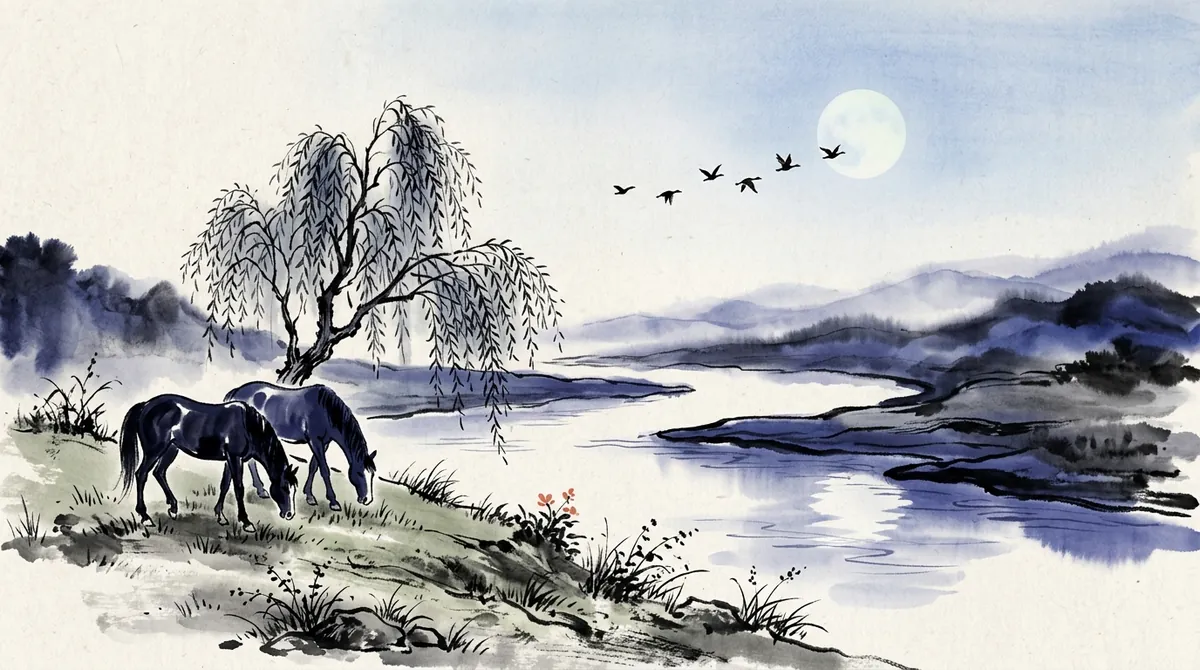
Many weather words are a verb plus a noun: 刮风 (the wind blows) works like 下雨 (xià yǔ, to rain) from HSK 1.
| Word | Pinyin | Meaning | Example sentence |
|---|---|---|---|
| 刮风(颳風) | guā fēng | to be windy (of the wind, to blow) | 小心!刮大风了。xiǎoxīn! guā dàfēng le.Careful! It's really windy. |
| 太阳(太陽) | tàiyáng | sun | 太阳照耀着美丽的城市。tàiyáng zhàoyào zhe měilì de chéngshì.The sun shines bright on the beautiful city. |
| 月亮 | yuèliang | moon | 云彩把月亮遮得看不清楚。yúncai bǎ yuèliang zhē de kàn bu qīngchu.The clouds hid the moon from view. |
| 树(樹) | shù | tree | 我爱在树下乘凉。wǒ ài zài shù xià chéngliáng.I love sitting in the shade under the trees. |
| 草 | cǎo | grass | 马在草地上吃草。mǎ zài cǎodì shang chī cǎo.The horses are eating grass in the meadow. |
| 黄河(黃河) | huánghé | the Yellow River | 黄河多长?huánghé duō cháng?How long is the Yellow River? |
| 环境(環境) | huánjìng | environment, surroundings | 她对新环境不习惯。tā duì xīn huánjìng bù xíguàn.She is not used to the new environment. |
| 动物(動物) | dòngwù | animal | 动物能思考吗?dòngwù néng sīkǎo ma?Are animals able to think? |
| 熊猫(熊貓) | xióngmāo | panda | 熊猫是中国的国宝。xióngmāo shì zhōngguó de guóbǎo.The panda is China's national treasure. |
| 马(馬) | mǎ | horse | 那匹马踢了我。nà pǐ mǎ tī le wǒ.That horse kicked me. |
| 鸟(鳥) | niǎo | bird | 我看到一只鸟从我的右边飞过。wǒ kàndào yì zhī niǎo cóng wǒ de yòubian fēi guò.I saw a bird fly past on my right. |
People and Relationships
叔叔 (shūshu) and 阿姨 (āyí) are family words, but children also use them for any adult of their parents' age, so a friend's mum is 阿姨 and a shopkeeper might be 叔叔.
| Word | Pinyin | Meaning | Example sentence |
|---|---|---|---|
| 奶奶 | nǎinai | grandma (father’s mother) | 我奶奶明天要来我们家。wǒ nǎinai míngtiān yào lái wǒmen jiā.My grandmother is coming to our house tomorrow. |
| 爷爷(爺爺) | yéye | grandpa (father’s father) | 我很喜欢和我的爷爷一起散步。wǒ hěn xǐhuan hé wǒ de yéye yìqǐ sànbù.I really like going for walks with my grandpa. |
| 叔叔 | shūshu | uncle (father’s younger brother); friendly word for a man your parents’ age | 我要去我叔叔家。wǒ yào qù wǒ shūshu jiā.I am going to my uncle's. |
| 阿姨 | āyí | aunt (mother’s sister); friendly word for a woman your parents’ age | 她的阿姨真是个奇怪的人。tā de āyí zhēn shì ge qíguài de rén.Her aunt really is a strange person. |
| 邻居(鄰居) | línjū | neighbour | 我的邻居养了一只可爱的狗。wǒ de línjū yǎng le yì zhī kě'ài de gǒu.My neighbour has a lovely dog. |
| 客人 | kèrén | guest, visitor; customer | 房间里挤满了客人。fángjiān li jǐ mǎn le kèrén.The room was crowded with guests. |
| 同事 | tóngshì | colleague | 我和我的同事一起工作了两年。wǒ hé wǒ de tóngshì yìqǐ gōngzuò le liǎng nián.I worked with my colleagues for two years. |
| 经理(經理) | jīnglǐ | manager | 我认为她是个很能干的经理。wǒ rènwéi tā shì ge hěn nénggàn de jīnglǐ.I think she's a very capable manager. |
| 校长(校長) | xiàozhǎng | head teacher; (university) president | 校长训斥了那些男生。xiàozhǎng xùnchì le nàxiē nánshēng.The headmaster gave the boys a scolding. |
| 司机(司機) | sījī | driver | 酒精对司机的影响很大。jiǔjīng duì sījī de yǐngxiǎng hěn dà.Alcohol has a big effect on drivers. |
| 别人(別人) | biérén | other people, others | 我很喜欢教别人新的知识。wǒ hěn xǐhuan jiāo biérén xīn de zhīshi.I love teaching people new things. |
| 自己 | zìjǐ | oneself; one’s own | 每个人都有自己的名字。měi ge rén dōu yǒu zìjǐ de míngzi.Everyone has their own name. |
| 关系(關係) | guānxi | relationship, connection; (in 没关系) to matter | 这根本没什么关系。zhè gēnběn méi shénme guānxi.It doesn't matter at all. |
The Body and Health
疼 (téng) follows the part that hurts: 头疼 (tóu téng) is a headache, and 肚子疼 (dùzi téng) is a stomach ache. 长 (zhǎng) is also how you say what someone looks like: 他长得很高 (tā zhǎng de hěn gāo) is "he's tall".
| Word | Pinyin | Meaning | Example sentence |
|---|---|---|---|
| 头发(頭髮) | tóufa | hair (on the head) | 她的头发自然卷曲。tā de tóufa zìrán juǎnqū.Her hair is naturally curly. |
| 脸(臉) | liǎn | face | 小猫喝了牛奶,又洗了脸。xiǎo māo hē le niúnǎi, yòu xǐ le liǎn.The little cat drank its milk and washed its face. |
| 鼻子 | bízi | nose | 我鼻子痒痒。wǒ bízi yǎngyang.My nose tickles. |
| 嘴 | zuǐ | mouth | 我们的狗喜欢用嘴接饼干。wǒmen de gǒu xǐhuan yòng zuǐ jiē bǐnggān.Our dog likes catching biscuits in its mouth. |
| 耳朵 | ěrduo | ear | 他扯我的耳朵。tā chě wǒ de ěrduo.He pulled my ears. |
| 脚(腳) | jiǎo | foot | 因为我的脚受伤了,所以我不能跑步了。yīnwèi wǒ de jiǎo shòushāng le, suǒyǐ wǒ bù néng pǎobù le.Because my foot is injured, I can't run. |
| 腿 | tuǐ | leg | 他摔断了他的腿。tā shuāi duàn le tā de tuǐ.He broke his leg. |
| 个子(個子) | gèzi | height, build | 他的个子很高。tā de gèzi hěn gāo.He is tall. |
| 长(長) | zhǎng | to grow | 我的头发长得很长了。wǒ de tóufa zhǎng de hěn cháng le.My hair has grown very long. |
| 胖 | pàng | fat, overweight | 由于肥胖,大夫叫我停止吃肉。yóuyú féipàng, dàifu jiào wǒ tíngzhǐ chī ròu.Because I'm overweight, the doctor told me to stop eating meat. |
| 瘦 | shòu | thin; to lose weight | 我上个月瘦了好几磅。wǒ shàng ge yuè shòu le hǎo jǐ bàng.I lost several pounds last month. |
| 矮 | ǎi | short (in height); low | 他个子太矮了,拿不到桌子上的书。tā gèzi tài ǎi le, ná bu dào zhuōzi shang de shū.He's too short to reach the book on the table. |
| 感冒 | gǎnmào | (to catch) a cold | 他感冒了。tā gǎnmào le.He caught a cold. |
| 发烧(發燒) | fāshāo | to have a temperature, a fever | 他发烧满脸通红。tā fāshāo mǎn liǎn tōnghóng.His face was flushed with fever. |
| 疼 | téng | to hurt, ache; sore | 我的头有点疼。wǒ de tóu yǒudiǎn téng.My head hurts a little. |
| 健康 | jiànkāng | health; healthy | 吸烟有害健康。xīyān yǒuhài jiànkāng.Smoking is bad for your health. |
| 锻炼(鍛鍊) | duànliàn | to exercise, work out | 我每个星期六都去跑步锻炼身体。wǒ měi ge xīngqīliù dōu qù pǎobù duànliàn shēntǐ.I go for a run every Saturday to keep fit. |
Home and Daily Routine
| Word | Pinyin | Meaning | Example sentence |
|---|---|---|---|
| 洗澡 | xǐzǎo | to have a bath or shower | 我每晚都洗澡。wǒ měi wǎn dōu xǐzǎo.I have a bath every night. |
| 刷牙 | shuāyá | to brush your teeth | 早上起床后记得刷牙。zǎoshang qǐchuáng hòu jìde shuāyá.Remember to brush your teeth when you wake up in the morning. |
| 洗手间(洗手間) | xǐshǒujiān | toilet | 请问洗手间在哪里?qǐngwèn xǐshǒujiān zài nǎli?Excuse me, where is the toilet? |
| 打扫(打掃) | dǎsǎo | to clean, sweep | 他昨天打扫房间了吗?tā zuótiān dǎsǎo fángjiān le ma?Did he clean the room yesterday? |
| 冰箱 | bīngxiāng | fridge | 你可以把这个放在冰箱里吗?nǐ kěyǐ bǎ zhège fàng zài bīngxiāng li ma?Can you put this in the fridge? |
| 空调(空調) | kōngtiáo | air conditioning, air conditioner | 我想买一台空调。wǒ xiǎng mǎi yì tái kōngtiáo.I want to buy an air conditioner. |
| 灯(燈) | dēng | light, lamp | 离开房间前,请把灯关掉。líkāi fángjiān qián, qǐng bǎ dēng guāndiào.Please turn the light off before leaving the room. |
| 电梯(電梯) | diàntī | lift | 没有电梯,我们得爬六层楼梯。méiyǒu diàntī, wǒmen děi pá liù céng lóutī.There was no lift and we had to climb six flights of stairs. |
| 楼(樓) | lóu | building; floor, storey | 他正在楼下等我。tā zhèngzài lóuxià děng wǒ.He is waiting for me downstairs. |
| 盘子(盤子) | pánzi | plate, dish | 他把饭菜放在左边的盘子里。tā bǎ fàncài fàng zài zuǒbian de pánzi li.He put the food on the plate on the left. |
| 碗 | wǎn | bowl | 那男孩今天早上吃了三碗米饭。nà nánhái jīntiān zǎoshang chī le sān wǎn mǐfàn.The boy ate three bowls of rice this morning. |
| 筷子 | kuàizi | chopsticks | 中国人用筷子吃饭。zhōngguórén yòng kuàizi chīfàn.Chinese people eat with chopsticks. |
| 瓶子 | píngzi | bottle, jar, vase | 她往瓶子里插了些小花。tā wǎng píngzi li chā le xiē xiǎo huā.She put a few small flowers in the vase. |
Food and Drink
饱 (bǎo) usually comes after 吃 (chī, to eat): 我吃饱了 (wǒ chī bǎo le) is "I'm full", a useful thing to say when someone keeps filling your bowl.
| Word | Pinyin | Meaning | Example sentence |
|---|---|---|---|
| 面包(麵包) | miànbāo | bread | 我今天早上吃了一片面包。wǒ jīntiān zǎoshang chī le yí piàn miànbāo.I ate a slice of bread this morning. |
| 蛋糕 | dàngāo | cake | 我特地为你做了个蛋糕。wǒ tèdì wèi nǐ zuò le ge dàngāo.I made a cake specially for you. |
| 香蕉 | xiāngjiāo | banana | 香蕉、苹果和橙子都是水果。xiāngjiāo, píngguǒ hé chéngzi dōu shì shuǐguǒ.Bananas, apples and oranges are all fruit. |
| 啤酒 | píjiǔ | beer | 我不喜欢泡沫太多的啤酒。wǒ bù xǐhuan pàomò tài duō de píjiǔ.I don't like beer with too much froth. |
| 饮料(飲料) | yǐnliào | drink (not water) | 我想要一些没有酒精的饮料。wǒ xiǎng yào yìxiē méiyǒu jiǔjīng de yǐnliào.I'd like some non-alcoholic drinks. |
| 菜单(菜單) | càidān | menu | 请把菜单给我。qǐng bǎ càidān gěi wǒ.Please give me the menu. |
| 新鲜(新鮮) | xīnxiān | fresh | 我们出去吸口新鲜空气吧。wǒmen chūqu xī kǒu xīnxiān kōngqì ba.Let's go out for a breath of fresh air. |
| 甜 | tián | sweet | 我喜欢吃甜食。wǒ xǐhuan chī tiánshí.I like sweet food. |
| 饱(飽) | bǎo | full (after eating) | 丰年时人人都吃得饱。fēngnián shí rénrén dōu chī de bǎo.In prosperous years everyone has plenty to eat. |
| 饿(餓) | è | hungry | 我已经饿得快晕倒了。wǒ yǐjīng è de kuài yūndǎo le.I'm so hungry I'm about to faint. |
| 渴 | kě | thirsty | 我喝了一整天的水,现在我还是非常渴。wǒ hē le yì zhěngtiān de shuǐ, xiànzài wǒ háishi fēicháng kě.I drank water all day and now I'm still very thirsty. |
Clothes, Shopping and Money
Clothes take different measure words: 一件衬衫 (yí jiàn chènshān) for tops, 一条裤子 (yì tiáo kùzi) for trousers and skirts, 一双鞋 (yì shuāng xié) for shoes and 一顶帽子 (yì dǐng màozi) for hats.
| Word | Pinyin | Meaning | Example sentence |
|---|---|---|---|
| 衬衫(襯衫) | chènshān | shirt, blouse | 我今天穿了一件白色的衬衫。wǒ jīntiān chuān le yí jiàn báisè de chènshān.I'm wearing a white shirt today. |
| 裤子(褲子) | kùzi | trousers | 这条裤子我穿太紧了。zhè tiáo kùzi wǒ chuān tài jǐn le.This pair of trousers is too tight for me. |
| 裙子 | qúnzi | skirt, dress | 这条裙子真的很贵。zhè tiáo qúnzi zhēn de hěn guì.This dress is really expensive. |
| 帽子 | màozi | hat, cap | 你把帽子戴反了。nǐ bǎ màozi dài fǎn le.You have put your hat on backwards. |
| 皮鞋 | píxié | leather shoes | 我要他擦亮我的皮鞋。wǒ yào tā cā liàng wǒ de píxié.I want him to polish my leather shoes. |
| 包 | bāo | bag; to wrap | 她把手机放在包里边。tā bǎ shǒujī fàng zài bāo lǐbian.She put her phone in her bag. |
| 伞(傘) | sǎn | umbrella | 糟糕!我把伞丢了。zāogāo! wǒ bǎ sǎn diū le.Oh no! I've lost my umbrella. |
| 礼物(禮物) | lǐwù | present, gift | 谢谢你给我们送礼物。xièxie nǐ gěi wǒmen sòng lǐwù.Thank you for the present. |
| 超市 | chāoshì | supermarket | 我在超市买了零食。wǒ zài chāoshì mǎi le língshí.I bought snacks at the supermarket. |
| 银行(銀行) | yínháng | bank | 我需要去银行存钱。wǒ xūyào qù yínháng cún qián.I need to go to the bank to deposit money. |
| 信用卡 | xìnyòngkǎ | credit card | 我可以用信用卡支付吗?wǒ kěyǐ yòng xìnyòngkǎ zhīfù ma?May I pay with a credit card? |
Measure Words and Numbers
只 (zhī) is the measure word for most animals: 一只猫 (yì zhī māo) is "a cat". The same character also reads zhǐ, "only", as in 只有 below. In traditional characters the measure word is 隻, and "only" stays 只. With 万 (wàn, ten thousand), "two" is 两 again: 两万 (liǎngwàn) is 20,000.
| Word | Pinyin | Meaning | Example sentence |
|---|---|---|---|
| 张(張) | zhāng | measure word for flat things (paper, tickets, maps) | 你能给我一张城市地图吗?nǐ néng gěi wǒ yì zhāng chéngshì dìtú ma?Could you give me a map of the city? |
| 只(隻) | zhī | measure word for animals; one of a pair | 我有一只很可爱的老狗。wǒ yǒu yì zhī hěn kě'ài de lǎo gǒu.I have a very cute old dog. |
| 位 | wèi | polite measure word for people | 她是我们公司的一位秘书。tā shì wǒmen gōngsī de yí wèi mìshū.She is a secretary in our company. |
| 条(條) | tiáo | measure word for long, thin things (roads, rivers, trousers) | 我们很难决定走哪一条路。wǒmen hěn nán juédìng zǒu nǎ yì tiáo lù.It was difficult for us to decide which road to take. |
| 双(雙) | shuāng | pair (of shoes, socks, chopsticks) | 我今天买了一双新的袜子。wǒ jīntiān mǎi le yì shuāng xīn de wàzi.I bought a new pair of socks today. |
| 辆(輛) | liàng | measure word for vehicles | 我叫了一辆出租车去机场。wǒ jiào le yí liàng chūzūchē qù jīchǎng.I hailed a taxi to the airport. |
| 段 | duàn | section, period (of time), paragraph | 我这段时间非常忙,没有时间休息。wǒ zhè duàn shíjiān fēicháng máng, méiyǒu shíjiān xiūxi.I've been very busy lately and haven't had time to rest. |
| 种(種) | zhǒng | kind, type | 你会说几种语言??nǐ huì shuō jǐ zhǒng yǔyán?How many languages can you speak? |
| 口 | kǒu | mouth; measure word for people in a family | 这套公寓本来是准备给5口人住的。zhè tào gōngyù běnlái shì zhǔnbèi gěi wǔ kǒu rén zhù de.The flat was originally meant for a family of five. |
| 层(層) | céng | floor, storey; layer | 我的新家在第十六层。wǒ de xīn jiā zài dì shíliù céng.My new home is on the sixteenth floor. |
| 米 | mǐ | metre; (uncooked) rice | 花园的宽度为六米。huāyuán de kuāndù wéi liù mǐ.The garden is six metres wide. |
| 公斤 | gōngjīn | kilogram | 我买了两公斤的苹果。wǒ mǎi le liǎng gōngjīn de píngguǒ.I bought two kilos of apples. |
| 元 | yuán | yuan (unit of money) | 我买了半斤苹果,花了十元。wǒ mǎi le bàn jīn píngguǒ, huā le shí yuán.I bought half a jin (250 grams) of apples for ten yuan. |
| 角 | jiǎo | corner, angle; jiao (a tenth of a yuan) | 正方形有四个角儿;立方体有八个角儿。zhèngfāngxíng yǒu sì ge jiǎor; lìfāngtǐ yǒu bā ge jiǎor.A square has four corners; a cube has eight. |
| 万(萬) | wàn | ten thousand | 观众总计达两万人。guānzhòng zǒngjì dá liǎngwàn rén.The audience totalled 20,000. |
| 一共 | yīgòng | altogether, in total | 我一共得到了五支笔。wǒ yígòng dédào le wǔ zhī bǐ.I got a total of five pens. |
Places and Directions
The four directions are 东 (dōng), 南 (nán), 西 (xī) and 北 (běi), and Chinese lists them in that order: 东南西北. Add 边 (biān) or 方 (fāng) for "the east side" or "the north". Don't confuse 东西 (dōngxi), "thing", with 东西 (dōng xī), "east and west".
| Word | Pinyin | Meaning | Example sentence |
|---|---|---|---|
| 地方 | dìfang | place | 你住的地方在哪儿?nǐ zhù de dìfang zài nǎr?Where do you live? |
| 城市 | chéngshì | city | 伦敦是世界上最大的城市之一。lúndūn shì shìjiè shang zuì dà de chéngshì zhī yī.London is one of the biggest cities in the world. |
| 国家(國家) | guójiā | country | 澳大利亚是一个讲英语的国家。àodàlìyà shì yí ge jiǎng yīngyǔ de guójiā.Australia is an English-speaking country. |
| 世界 | shìjiè | world | 他是世界上最富有的人。tā shì shìjiè shang zuì fùyǒu de rén.He is the richest man in the world. |
| 北方 | běifāng | the north | 我住在北方。wǒ zhù zài běifāng.I live in the north. |
| 东(東) | dōng | east | 太阳从东边升起。tàiyáng cóng dōngbian shēngqǐ.The sun rises in the east. |
| 西 | xī | west | 我从西向东走。wǒ cóng xī xiàng dōng zǒu.I walked from west to east. |
| 南 | nán | south | 我家的房子朝南。wǒ jiā de fángzi cháo nán.My house faces south. |
| 附近 | fùjìn | nearby; near | 教堂在学校附近。jiàotáng zài xuéxiào fùjìn.The church is close to the school. |
| 中间(中間) | zhōngjiān | middle; between | 两村相距一英里,我家在中间。liǎng cūn xiāngjù yì yīnglǐ, wǒ jiā zài zhōngjiān.The two villages are a mile apart, and my house lies midway between them. |
| 街道 | jiēdào | street | 这些街道的照明很差。zhèxiē jiēdào de zhàomíng hěn chà.These streets are very poorly lit. |
| 公园(公園) | gōngyuán | park | 公园里有一个游泳池。gōngyuán li yǒu yí ge yóuyǒngchí.There is a swimming pool in the park. |
| 图书馆(圖書館) | túshūguǎn | library | 我前天去了图书馆。wǒ qiántiān qù le túshūguǎn.I went to the library the day before yesterday. |
| 办公室(辦公室) | bàngōngshì | office | 爸爸每天早上都走着去他的办公室。bàba měitiān zǎoshang dōu zǒu zhe qù tā de bàngōngshì.Father walks to his office every morning. |
Travel and Transport
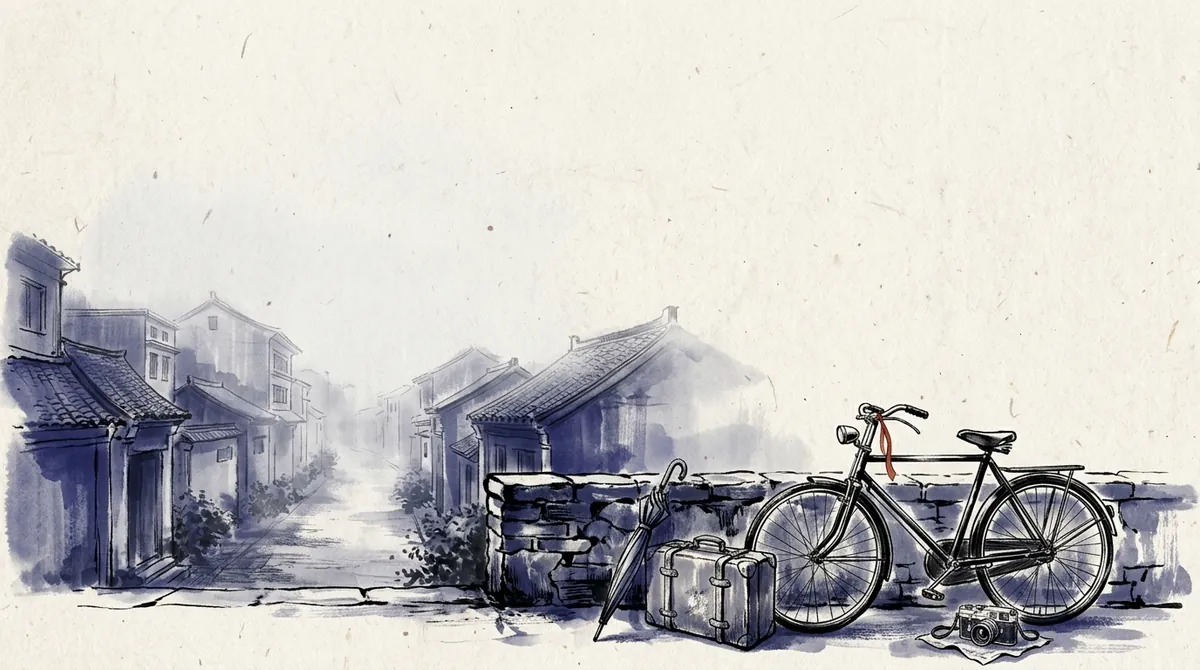
坐 (zuò, to sit) is for vehicles you sit in as a passenger, like 坐地铁 and 坐船, while 骑 (qí) is for anything you sit astride, like a bike, a motorbike or a horse.
| Word | Pinyin | Meaning | Example sentence |
|---|---|---|---|
| 地铁(地鐵) | dìtiě | underground, metro | 我经常坐地铁去上班。wǒ jīngcháng zuò dìtiě qù shàngbān.I often take the underground to work. |
| 自行车(自行車) | zìxíngchē | bicycle | 我有一辆红色的自行车。wǒ yǒu yí liàng hóngsè de zìxíngchē.I have a red bike. |
| 骑(騎) | qí | to ride (a bike, a horse) | 我喜欢骑自行车去上班。wǒ xǐhuan qí zìxíngchē qù shàngbān.I love cycling to work. |
| 船 | chuán | boat, ship | 船翻了,下沉了。chuán fān le, xiàchén le.The ship capsized and sank. |
| 起飞(起飛) | qǐfēi | to take off (of a plane) | 飞机起飞推迟了两个小时。fēijī qǐfēi tuīchí le liǎng ge xiǎoshí.There was a delay of two hours before the plane took off. |
| 护照(護照) | hùzhào | passport | 你有护照吗?nǐ yǒu hùzhào ma?Do you have a passport? |
| 行李箱 | xínglixiāng | suitcase | 请抬一下我的行李箱。qǐng tái yíxià wǒ de xínglixiāng.Please lift my suitcase. |
| 地图(地圖) | dìtú | map | 我喜欢用手机上的地图查找新的地方。wǒ xǐhuan yòng shǒujī shang de dìtú cházhǎo xīn de dìfang.I like to use the map on my phone to find new places. |
| 照相机(照相機) | zhàoxiàngjī | camera | 我想要一台和你一样的照相机。wǒ xiǎng yào yì tái hé nǐ yíyàng de zhàoxiàngjī.I want the same camera as you have. |
| 搬 | bān | to move (house); to carry (something heavy) | 他是四月份搬进这所房子的。tā shì sìyuèfèn bān jìn zhè suǒ fángzi de.He moved into this house in April. |
School and Studying
| Word | Pinyin | Meaning | Example sentence |
|---|---|---|---|
| 作业(作業) | zuòyè | homework | 你是不是已经完成了你的作业?nǐ shì bu shì yǐjīng wánchéng le nǐ de zuòyè?Have you already completed your homework? |
| 复习(復習) | fùxí | to revise, review | 我昨天复习了一遍课文。wǒ zuótiān fùxí le yí biàn kèwén.I revised the text yesterday. |
| 练习(練習) | liànxí | to practise; exercise | 你有没有跟中国人练习的机会?nǐ yǒu méiyǒu gēn zhōngguórén liànxí de jīhuì?Do you have any opportunities to practise with native Chinese speakers? |
| 年级(年級) | niánjí | year, grade (at school) | 我是一年级的学生。wǒ shì yī niánjí de xuésheng.I am a first-year student. |
| 班 | bān | class; shift | 那时我们在同一个班。nàshí wǒmen zài tóng yí ge bān.We were in the same class back then. |
| 成绩(成績) | chéngjì | results, marks, grades | 他的成绩不如我好。tā de chéngjì bùrú wǒ hǎo.His grades weren't as good as mine. |
| 数学(數學) | shùxué | maths | 我会教你如何做这道数学题。wǒ huì jiāo nǐ rúhé zuò zhè dào shùxué tí.I'll teach you how to do this maths problem. |
| 历史(歷史) | lìshǐ | history | 我们三、四十岁的人都读过中国历史。wǒmen sān, sìshí suì de rén dōu dú guo zhōngguó lìshǐ.All of us in our thirties and forties have read Chinese history. |
| 中文 | zhōngwén | Chinese (language) | 你是怎么学中文的?nǐ shì zěnme xué zhōngwén de?How did you learn Chinese? |
| 句子 | jùzi | sentence | 学会完整的句子更好。xuéhuì wánzhěng de jùzi gèng hǎo.It's better to learn complete sentences. |
| 词典(詞典) | cídiǎn | dictionary | 学习外语离不开好的词典。xuéxí wàiyǔ lí bu kāi hǎo de cídiǎn.A good dictionary is indispensable for learning a foreign language. |
| 黑板 | hēibǎn | blackboard | 黑板在教室的前面。hēibǎn zài jiàoshì de qiánmian.The blackboard is at the front of the classroom. |
| 笔记本(筆記本) | bǐjìběn | notebook; laptop | 我会将图片贴在笔记本上。wǒ huì jiāng túpiàn tiē zài bǐjìběn shang.I'll stick the picture in my notebook. |
| 水平 | shuǐpíng | level, standard | 我的游泳水平还有待提高。wǒ de yóuyǒng shuǐpíng hái yǒudài tígāo.My swimming still needs to improve. |
| 留学(留學) | liúxué | to study abroad | 我明年要去留学。wǒ míngnián yào qù liúxué.I'm going to study abroad next year. |
Free Time, Work and Media
聊天 (liáotiān) is a verb plus its object, so 和 (hé) or 跟 (gēn) comes before it: 和朋友聊天 (hé péngyou liáotiān) is "to chat with friends". The same goes for 见面 (jiànmiàn) and 结婚 (jiéhūn) in the next sections.
| Word | Pinyin | Meaning | Example sentence |
|---|---|---|---|
| 会议(會議) | huìyì | meeting, conference | 会议进行得非常顺利。huìyì jìnxíng de fēicháng shùnlì.The meeting went very well. |
| 请假(請假) | qǐngjià | to ask for time off | 我想明天请假不上班。wǒ xiǎng míngtiān qǐngjià bú shàngbān.I'd like to take tomorrow off work. |
| 电子邮件(電子郵件) | diànzǐ yóujiàn | 我使用电子邮件发送了一封重要的文件。wǒ shǐyòng diànzǐ yóujiàn fāsòng le yì fēng zhòngyào de wénjiàn.I sent an important document using email. | |
| 上网(上網) | shàngwǎng | to go online | 我正在使用电脑上网浏览资讯。wǒ zhèngzài shǐyòng diànnǎo shàngwǎng liúlǎn zīxùn.I'm using a computer to browse the internet. |
| 新闻(新聞) | xīnwén | news | 今天早晨报纸上有什么有趣的新闻吗?jīntiān zǎochen bàozhǐ shang yǒu shénme yǒuqù de xīnwén ma?Is there any interesting news in the paper this morning? |
| 节目(節目) | jiémù | programme, show | 我正在看一个电视节目。wǒ zhèngzài kàn yí ge diànshì jiémù.I'm watching a TV programme. |
| 游戏(遊戲) | yóuxì | game | 我喜欢和朋友们一起玩儿游戏。wǒ xǐhuan hé péngyoumen yìqǐ wánr yóuxì.I love playing games with my friends. |
| 音乐(音樂) | yīnyuè | music | 我喜欢节奏快的音乐。wǒ xǐhuan jiézòu kuài de yīnyuè.I like fast music. |
| 声音(聲音) | shēngyīn | sound; voice | 我听见有流水的声音。wǒ tīngjiàn yǒu liúshuǐ de shēngyīn.I can hear the sound of running water. |
| 故事 | gùshi | story | 这是个神奇的故事。zhè shì ge shénqí de gùshi.It's a magical story. |
| 照片 | zhàopiàn | photo | 请你把这张照片给我看看。qǐng nǐ bǎ zhè zhāng zhàopiàn gěi wǒ kànkan.Please show me this photo. |
| 文化 | wénhuà | culture | 我喜欢西方文化。wǒ xǐhuan xīfāng wénhuà.I love Western culture. |
| 体育(體育) | tǐyù | sport; PE | 你喜欢在电视上看体育比赛吗?nǐ xǐhuan zài diànshì shang kàn tǐyù bǐsài ma?Do you like watching sports matches on TV? |
| 比赛(比賽) | bǐsài | match, competition | 我喜欢看乒乓球比赛。wǒ xǐhuan kàn pīngpāngqiú bǐsài.I love watching table tennis matches. |
| 爱好(愛好) | àihào | hobby; to be keen on | 我的爱好是读书。wǒ de àihào shì dú shū.My hobby is reading. |
| 爬山 | páshān | to climb a mountain, go hiking | 如果明天不下雨,我们就去爬山。rúguǒ míngtiān bú xià yǔ, wǒmen jiù qù páshān.If it doesn't rain tomorrow, we'll go hiking in the hills. |
| 画(畫) | huà | painting, picture; to draw, paint | 我要把画挂在墙上。wǒ yào bǎ huà guà zài qiáng shang.I'm going to hang the painting on the wall. |
| 聊天 | liáotiān | to chat | 我没心情和你聊天。wǒ méi xīnqíng hé nǐ liáotiān.I am in no mood for chatting with you. |
Feelings
Several of these use 对 (duì) to say what the feeling is about: 我对科学感兴趣 (wǒ duì kēxué gǎn xìngqù) is "I'm interested in science", and 对…满意 is "satisfied with…".
| Word | Pinyin | Meaning | Example sentence |
|---|---|---|---|
| 害怕 | hàipà | to be afraid | 我害怕蛇。wǒ hàipà shé.I'm afraid of snakes. |
| 担心(擔心) | dānxīn | to worry | 别担心,我会支持你的。bié dānxīn, wǒ huì zhīchí nǐ de.Don't worry, I will support you. |
| 着急(著急) | zháojí | anxious, worried; in a hurry | 我们等待着消息,越来越着急。wǒmen děngdài zhe xiāoxi, yuèláiyuè zháojí.We waited for news with a growing sense of anxiety. |
| 生气(生氣) | shēngqì | angry; to get angry | 我一告诉他,他就生气了。wǒ yí gàosu tā, tā jiù shēngqì le.As soon as I told him, he got angry. |
| 难过(難過) | nánguò | sad, upset | 这让我感到愤怒,为我的母亲感到难过。zhè ràng wǒ gǎndào fènnù, wèi wǒ de mǔqīn gǎndào nánguò.It made me angry, and I felt sad for my mother. |
| 满意(滿意) | mǎnyì | satisfied, pleased | 我非常满意这家饭店的服务。wǒ fēicháng mǎnyì zhè jiā fàndiàn de fúwù.I am very satisfied with the service at this restaurant. |
| 放心 | fàngxīn | to stop worrying, feel reassured | 你放心好了,本周末一定下雨。nǐ fàngxīn hǎo le, běn zhōumò yídìng xià yǔ.Rest assured, it will definitely rain this weekend. |
| 关心(關心) | guānxīn | to care about, be concerned about | 我们最关心的是您的安全。wǒmen zuì guānxīn de shì nín de ānquán.Your safety is our most important concern. |
| 感兴趣(感興趣) | gǎn xìngqù | to be interested (in) | 我对科学非常感兴趣。wǒ duì kēxué fēicháng gǎn xìngqù.I'm very interested in science. |
| 愿意(願意) | yuànyì | to be willing | 你愿意帮忙吗?nǐ yuànyì bāngmáng ma?Are you willing to help? |
| 热情(熱情) | rèqíng | warm, friendly; enthusiasm | 她在飞机场受到了热情的欢送。tā zài fēijīchǎng shòudào le rèqíng de huānsòng.She was given a warm send-off at the airport. |
Verbs: Taking, Using and Giving Back
借 (jiè) means both "to borrow" and "to lend". 我借了他的书 (wǒ jiè le tā de shū) is "I borrowed his book", and 借给 (jiè gěi), as in 借给我 (jiè gěi wǒ), is "lend me". When you give it back, the verb is 还 (huán).
| Word | Pinyin | Meaning | Example sentence |
|---|---|---|---|
| 拿 | ná | to take, pick up; to hold | 我忘记拿我的登机牌了。wǒ wàngjì ná wǒ de dēngjīpái le.I forgot to take my boarding pass. |
| 放 | fàng | to put, place | 杯子放在桌子上面。bēizi fàng zài zhuōzi shàngmian.The cups are on the table. |
| 带(帶) | dài | to bring, take (along) | 我经常带我的孩子们去公园玩。wǒ jīngcháng dài wǒ de háizimen qù gōngyuán wán.I often take my children to play in the park. |
| 借 | jiè | to borrow; to lend | 我常常去图书馆借书。wǒ chángcháng qù túshūguǎn jiè shū.I often go to the library to borrow books. |
| 还(還) | huán | to give back, return | 我答应一定完好无损地还你的自行车。wǒ dāying yídìng wánhǎo wúsǔn de huán nǐ de zìxíngchē.I promise to return your bicycle in good condition. |
| 换(換) | huàn | to change, exchange | 我们换个话题吧。wǒmen huàn ge huàtí ba.Let's change the subject. |
| 用 | yòng | to use | 我用一个杯子喝水。wǒ yòng yí ge bēizi hē shuǐ.I drink from a cup. |
| 接 | jiē | to pick up (someone); to answer (the phone); to catch | 我马上要去机场接我的朋友。wǒ mǎshàng yào qù jīchǎng jiē wǒ de péngyou.I'm about to pick up my friend from the airport. |
| 发(發) | fā | to send; to hand out | 他发来消息,说自己"太忙"了。tā fā lái xiāoxi, shuō zìjǐ "tài máng" le.He sent a message saying he was "too busy". |
| 关(關) | guān | to close; to turn off | 门关了。mén guān le.The door is closed. |
| 花 | huā | to spend (money, time); flower | 我昨天花了一百元买了一本书。wǒ zuótiān huā le yìbǎi yuán mǎi le yì běn shū.Yesterday I spent a hundred yuan on a book. |
Verbs: Meeting, Helping and Everyday Actions
见面 (jiànmiàn) and 结婚 (jiéhūn) can't take an object, so you can't say 见面你. Say 跟你见面 (gēn nǐ jiànmiàn), "meet you", and 跟他结婚 (gēn tā jiéhūn), "marry him".
| Word | Pinyin | Meaning | Example sentence |
|---|---|---|---|
| 见面(見面) | jiànmiàn | to meet, see each other | 别了!希望很快我们能再见面。bié le! xīwàng hěn kuài wǒmen néng zài jiànmiàn.Farewell! I hope we meet again soon. |
| 遇到 | yùdào | to run into, come across | 我在街上遇到他。wǒ zài jiē shang yùdào tā.I ran into him in the street. |
| 参加(參加) | cānjiā | to take part in, attend | 我明天要去参加面试。wǒ míngtiān yào qù cānjiā miànshì.I'm going to an interview tomorrow. |
| 帮忙(幫忙) | bāngmáng | to help, give a hand | 你需要帮忙吗?nǐ xūyào bāngmáng ma?Do you need any help? |
| 照顾(照顧) | zhàogù | to look after, take care of | 我可以照顾好自己。wǒ kěyǐ zhàogù hǎo zìjǐ.I can take care of myself. |
| 欢迎(歡迎) | huānyíng | to welcome; welcome | 欢迎来到我们的家!huānyíng láidào wǒmen de jiā!Welcome to our home! |
| 离开(離開) | líkāi | to leave | 他已经离开家半年了。tā yǐjīng líkāi jiā bàn nián le.He has been away from home for half a year. |
| 迟到(遲到) | chídào | to be late | 我恐怕会迟到。wǒ kǒngpà huì chídào.I'm afraid I'll be late. |
| 结婚(結婚) | jiéhūn | to get married | 你猜怎么着?约翰结婚了。nǐ cāi zěnmezhe? yuēhàn jiéhūn le.Guess what? John's got married. |
| 经过(經過) | jīngguò | to pass by, go through | 老人经过公园的时候,总是笑得很开心。lǎorén jīngguò gōngyuán de shíhou, zǒngshì xiào de hěn kāixīn.The old man always smiled happily when he passed by the park. |
| 站 | zhàn | to stand; station, stop | 他站在我前边。tā zhàn zài wǒ qiánbian.He stood in front of me. |
| 哭 | kū | to cry | 别哭,你现在已经是大男孩了。bié kū, nǐ xiànzài yǐjīng shì dà nánhái le.Don't cry, you are a big boy now. |
| 试(試) | shì | to try | 试一下不会有什么坏处的。shì yíxià bú huì yǒu shénme huàichu de.There's no harm in trying. |
| 检查(檢查) | jiǎnchá | to check, examine | 医生检查我的耳朵。yīshēng jiǎnchá wǒ de ěrduo.The doctor checked my ears. |
| 小心 | xiǎoxīn | to be careful; careful | 小心那个台阶!xiǎoxīn nàge táijiē!Mind that step! |
Verbs: Thinking, Deciding and Solving Problems
认为 (rènwéi) gives a considered opinion and sounds a little more formal than 觉得 (juéde) from HSK 2. 了解 (liǎojiě) is knowing something or someone well, while 明白 (míngbai) is understanding what was just said.
| Word | Pinyin | Meaning | Example sentence |
|---|---|---|---|
| 认为(認為) | rènwéi | to think, believe (an opinion) | 我认为那电影不怎么样。wǒ rènwéi nà diànyǐng bù zěnmeyàng.I don't think much of the film. |
| 相信 | xiāngxìn | to believe; to trust | 我相信你可以做到。wǒ xiāngxìn nǐ kěyǐ zuòdào.I believe you can do it. |
| 了解 | liǎojiě | to know well, understand; to find out about | 他是一个非常好的人,我对他很了解。tā shì yí ge fēicháng hǎo de rén, wǒ duì tā hěn liǎojiě.He's a very nice guy, and I know him very well. |
| 明白 | míngbai | to understand; clear | 你明白了吗?nǐ míngbai le ma?Do you understand? |
| 发现(發現) | fāxiàn | to find, discover | 我昨天试了新买的电脑,发现它速度很快。wǒ zuótiān shì le xīn mǎi de diànnǎo, fāxiàn tā sùdù hěn kuài.I tried my new computer yesterday and found it to be fast. |
| 注意 | zhùyì | to pay attention to; to notice | 我没有注意到他已经走了。wǒ méiyǒu zhùyì dào tā yǐjīng zǒu le.I didn't notice that he had left. |
| 记得(記得) | jìde | to remember | 我记得很清楚。wǒ jìde hěn qīngchu.I remember quite clearly. |
| 忘记(忘記) | wàngjì | to forget | 我忘记了我的密码。wǒ wàngjì le wǒ de mìmǎ.I forgot my password. |
| 决定(決定) | juédìng | to decide; decision | 她突然决定出国留学。tā tūrán juédìng chūguó liúxué.She suddenly decided to study abroad. |
| 打算 | dǎsuàn | to plan, intend; plan | 今天我打算学习两个小时汉语。jīntiān wǒ dǎsuàn xuéxí liǎng ge xiǎoshí hànyǔ.Today I plan to study Chinese for two hours. |
| 选择(選擇) | xuǎnzé | to choose; choice | 我没有选择。wǒ méiyǒu xuǎnzé.I have no choice. |
| 同意 | tóngyì | to agree | 我并不完全同意你。wǒ bìng bù wánquán tóngyì nǐ.I do not completely agree with you. |
| 解决(解決) | jiějué | to solve, sort out | 我会帮你解决这个问题。wǒ huì bāng nǐ jiějué zhège wèntí.I'll help you solve this problem. |
| 办法(辦法) | bànfǎ | way, method (of doing something) | 我想到了一个解决问题的办法。wǒ xiǎngdào le yí ge jiějué wèntí de bànfǎ.I came up with a solution to the problem. |
| 机会(機會) | jīhuì | chance, opportunity | 如果有机会,你应该去那里。rúguǒ yǒu jīhuì, nǐ yīnggāi qù nàli.If you get the chance, you should go there. |
Verbs: Teaching, Needing and Changing
应该 (yīnggāi) is "should" and 必须 (bìxū) is "must". For "don't have to", use 不用 (bú yòng) rather than 不必须.
| Word | Pinyin | Meaning | Example sentence |
|---|---|---|---|
| 教 | jiāo | to teach | 我教她骑自行车。wǒ jiāo tā qí zìxíngchē.I taught her to ride a bicycle. |
| 讲(講) | jiǎng | to tell (a story); to speak; to explain | 我的奶奶很喜欢给我讲故事。wǒ de nǎinai hěn xǐhuan gěi wǒ jiǎng gùshi.My grandma loves telling me stories. |
| 回答 | huídá | to answer; answer | 他的回答是不对的。tā de huídá shì bú duì de.His answer was incorrect. |
| 习惯(習慣) | xíguàn | habit; to be used to | 他有早起的习惯。tā yǒu zǎoqǐ de xíguàn.He is in the habit of rising early. |
| 要求 | yāoqiú | to ask, require; demand, requirement | 我们的经理对我们要求很严格。wǒmen de jīnglǐ duì wǒmen yāoqiú hěn yángé.Our manager is very strict with us. |
| 需要 | xūyào | to need | 我只需要一半。wǒ zhǐ xūyào yíbàn.I only need half. |
| 应该(應該) | yīnggāi | should, ought to | 你真不应该那样做!nǐ zhēn bù yīnggāi nàyàng zuò!You really shouldn't have done that! |
| 必须(必須) | bìxū | must, have to | 你必须等我。nǐ bìxū děng wǒ.You must wait for me. |
| 努力 | nǔlì | to try hard; hard-working | 你应该努力读书。nǐ yīnggāi nǔlì dú shū.You should study hard. |
| 完成 | wánchéng | to finish, complete | 我已经完成了全部的工作。wǒ yǐjīng wánchéng le quánbù de gōngzuò.I've done all the work. |
| 提高 | tígāo | to improve, raise | 我正在进一步提高我的英语水平。wǒ zhèngzài jìnyíbù tígāo wǒ de yīngyǔ shuǐpíng.I am improving my English further. |
| 影响(影響) | yǐngxiǎng | to affect; influence, effect | 气候影响了他的健康。qìhòu yǐngxiǎng le tā de jiànkāng.The climate affected his health. |
| 变化(變化) | biànhuà | change; to change | 温度有细微的变化。wēndù yǒu xìwēi de biànhuà.There is a slight change in temperature. |
| 结束(結束) | jiéshù | to end, finish | 他们决定结束彼此的关系。tāmen juédìng jiéshù bǐcǐ de guānxi.They decided to end their relationship. |
Adjectives: Describing Things and Situations
容易 (róngyì) and 难 (nán) go before a verb to say something is easy or hard to do: 很难理解 (hěn nán lǐjiě) is "hard to understand". 比较 (bǐjiào) before an adjective softens it to "fairly" or "quite".
| Word | Pinyin | Meaning | Example sentence |
|---|---|---|---|
| 安静(安靜) | ānjìng | quiet | 你必须在一个安静的地方学习。nǐ bìxū zài yí ge ānjìng de dìfang xuéxí.You need to study in a quiet place. |
| 干净(乾淨) | gānjìng | clean | 这间房间非常干净。zhè jiān fángjiān fēicháng gānjìng.This room is very clean. |
| 舒服 | shūfu | comfortable; feeling well | 你的鞋子看起来很舒服。nǐ de xiézi kàn qǐlai hěn shūfu.Your shoes look comfortable. |
| 方便 | fāngbiàn | convenient | 这方便得多了。zhè fāngbiàn de duō le.It's much more convenient. |
| 简单(簡單) | jiǎndān | simple | 这个问题太简单了。zhège wèntí tài jiǎndān le.The question is too simple. |
| 容易 | róngyì | easy | 但是,忘记,并不是一件容易的事。dànshì, wàngjì, bìng bú shì yí jiàn róngyì de shì.However, forgetting is not an easy thing. |
| 难(難) | nán | difficult, hard | 她觉得很难理解他。tā juéde hěn nán lǐjiě tā.She found him hard to understand. |
| 差 | chà | poor, bad; to be short of | 我的记性很差。wǒ de jìxing hěn chà.I have a very poor memory. |
| 清楚 | qīngchu | clear | 我说清楚了吗?wǒ shuō qīngchu le ma?Have I made myself clear? |
| 奇怪 | qíguài | strange, odd | 今天天气真奇怪,一会儿冷,一会儿热。jīntiān tiānqì zhēn qíguài, yíhuìr lěng, yíhuìr rè.The weather is really strange today: one moment it's cold, the next it's hot. |
| 重要 | zhòngyào | important | 对我来说这是非常重要的。duì wǒ lái shuō zhè shì fēicháng zhòngyào de.For me this is extremely important. |
| 主要 | zhǔyào | main | 我们的主要问题就是缺少时间。wǒmen de zhǔyào wèntí jiù shì quēshǎo shíjiān.Our main problem is lack of time. |
| 特别(特別) | tèbié | special; especially | 我今天没什么特别的事情要做。wǒ jīntiān méi shénme tèbié de shìqing yào zuò.I don't have anything special to do today. |
| 一般 | yībān | usually; ordinary | 我一般每天早上都喝一杯咖啡来提神。wǒ yìbān měitiān zǎoshang dōu hē yì bēi kāfēi lái tíshén.I usually drink a cup of coffee every morning to wake myself up. |
| 有名 | yǒumíng | famous | 这位演员非常有名。zhè wèi yǎnyuán fēicháng yǒumíng.This actor is very famous. |
| 其他 | qítā | other | 没关系,我们可以找其他的解决办法。méi guānxi, wǒmen kěyǐ zhǎo qítā de jiějué bànfǎ.It doesn't matter, we can find other solutions. |
Adjectives: People, Age and Colour
老 (lǎo) is old for people, animals and things that have been around a long time, while 旧 (jiù) is old in the sense of worn or not new: 旧车 is a used car, and 老朋友 is an old friend.
| Word | Pinyin | Meaning | Example sentence |
|---|---|---|---|
| 聪明(聰明) | cōngming | clever, intelligent | 他是这个班级里最聪明的学生。tā shì zhège bānjí li zuì cōngming de xuésheng.He is the cleverest student in the class. |
| 认真(認真) | rènzhēn | serious, conscientious | 他对工作非常认真。tā duì gōngzuò fēicháng rènzhēn.He is very serious about his work. |
| 可爱(可愛) | kě'ài | cute, lovely | 多可爱的婴儿啊!duō kě'ài de yīng'ér a!What a lovely baby! |
| 年轻(年輕) | niánqīng | young | 现在我不会唱歌了,但我年轻的时候会。xiànzài wǒ bú huì chànggē le, dàn wǒ niánqīng de shíhou huì.I can't sing now, but I could when I was young. |
| 老 | lǎo | old | 我今天去看了一部老电影。wǒ jīntiān qù kàn le yí bù lǎo diànyǐng.I went to see an old film today. |
| 旧(舊) | jiù | old, used (not new) | 你肯出多少钱买我那辆旧车?nǐ kěn chū duōshao qián mǎi wǒ nà liàng jiù chē?How much will you give me for my old car? |
| 坏(壞) | huài | bad; broken | 这根本没有那么坏。zhè gēnběn méiyǒu nàme huài.It's not that bad at all. |
| 短 | duǎn | short (in length or time) | 我的头发很短。wǒ de tóufa hěn duǎn.My hair is short. |
| 绿(綠) | lǜ | green | 有些苹果是绿色的。yǒuxiē píngguǒ shì lǜsè de.Some apples are green. |
| 蓝(藍) | lán | blue | 我喜欢看飞机飞过蓝天。wǒ xǐhuan kàn fēijī fēi guò lántiān.I love watching planes fly across the blue sky. |
Adverbs: Always, Suddenly, Finally
又 (yòu) and 再 (zài, from HSK 2) both mean "again", but 又 is for something that has already happened again, and 再 is for something that will. 才 (cái) says something happened later than expected: 他到十一点才回家 is "he didn't get home until eleven".
| Word | Pinyin | Meaning | Example sentence |
|---|---|---|---|
| 一直 | yīzhí | always, all along; straight (ahead) | 她一直都是个害羞的孩子。tā yìzhí dōu shì ge hàixiū de háizi.She has always been a shy child. |
| 一定 | yīdìng | certainly, definitely; must (be) | 你一定是在开玩笑吧。nǐ yídìng shì zài kāi wánxiào ba.You must be joking. |
| 总是(總是) | zǒngshì | always | 孩子总是一会儿哭一会儿笑。háizi zǒngshì yíhuìr kū yíhuìr xiào.Children are always crying one minute and laughing the next. |
| 经常(經常) | jīngcháng | often | 我经常去奶奶家吃晚饭。wǒ jīngcháng qù nǎinai jiā chī wǎnfàn.I often go to my grandmother's house for dinner. |
| 突然 | tūrán | suddenly; sudden | 他突然变成了一只青蛙。tā tūrán biànchéng le yì zhī qīngwā.He suddenly turned into a frog. |
| 终于(終於) | zhōngyú | finally, at last | 我终于成功了!wǒ zhōngyú chénggōng le!I finally succeeded! |
| 马上(馬上) | mǎshàng | at once, right away | 列车马上要开了。lièchē mǎshàng yào kāi le.The train is about to leave. |
| 先 | xiān | first, beforehand | 我想先洗个澡,再去吃饭。wǒ xiǎng xiān xǐ ge zǎo, zài qù chīfàn.I want to take a shower first and then eat. |
| 然后(然後) | ránhòu | then, after that | 我们先吃饭然后去看电影。wǒmen xiān chīfàn ránhòu qù kàn diànyǐng.We'll eat first and then go to the cinema. |
| 又 | yòu | again (already happened); and also | 你跟平常一样又迟到了。nǐ gēn píngcháng yíyàng yòu chídào le.You're late again, as usual. |
| 才 | cái | not until; only (then) | 他到十一点才回家。tā dào shíyī diǎn cái huíjiā.He didn't get home until eleven o'clock. |
| 更 | gèng | even more, more | 我觉得这样我们关系可能会更好。wǒ juéde zhèyàng wǒmen guānxi kěnéng huì gèng hǎo.I think our relationship might be better this way. |
| 几乎(幾乎) | jīhū | almost | 我几乎每天都开车。wǒ jīhū měitiān dōu kāichē.I drive almost every day. |
| 其实(其實) | qíshí | actually, in fact | 忘记跟你说我其实不喜欢游泳。wàngjì gēn nǐ shuō wǒ qíshí bù xǐhuan yóuyǒng.I forgot to tell you that I don't actually like swimming. |
| 当然(當然) | dāngrán | of course | 是的,当然可以。shì de, dāngrán kěyǐ.Yes, certainly. |
| 比较(比較) | bǐjiào | fairly, quite; to compare | 这次考试比较容易。zhè cì kǎoshì bǐjiào róngyì.This exam was fairly easy. |
| 多么(多麼) | duōme | how (in exclamations) | 他多么和气!tā duōme héqi!How kind he is! |
| 最后(最後) | zuìhòu | last; finally | 我是最后一个吃饭的。wǒ shì zuìhòu yí ge chīfàn de.I'm the last to eat. |
Conjunctions and Prepositions
Several of these come in pairs: 如果…就… (if… then…), 不但…而且… (not only… but also…), 只有…才… (only if… will…), 除了…以外 (apart from…) and 一边…一边… (while…). 还是 (háishi) is "or" in questions and 或者 (huòzhě) is "or" in statements.
| Word | Pinyin | Meaning | Example sentence |
|---|---|---|---|
| 如果 | rúguǒ | if | 如果你努力工作,你就会成功。rúguǒ nǐ nǔlì gōngzuò, nǐ jiù huì chénggōng.If you work hard you will succeed. |
| 或者 | huòzhě | or (in statements) | 你可以选择站着、坐着或者躺着的时候做。nǐ kěyǐ xuǎnzé zhàn zhe, zuò zhe huòzhě tǎng zhe de shíhou zuò.You can choose to do it while standing, sitting or lying down. |
| 还是(還是) | háishi | or (in questions); still; had better | 你到美国是坐船还是坐飞机?nǐ dào měiguó shì zuò chuán háishi zuò fēijī?Are you going to America by boat or by plane? |
| 而且 | érqiě | and also, moreover | 她不但长得漂亮,而且很聪明。tā búdàn zhǎng de piàoliang, érqiě hěn cōngming.She is not only beautiful, but also very smart. |
| 不但 | bùdàn | not only | 这道菜不但好吃,而且还很有营养。zhè dào cài búdàn hǎochī, érqiě hái hěn yǒu yíngyǎng.This dish is not only delicious, but also very nutritious. |
| 除了 | chúle | apart from, except; as well as | 除了英语以外,你还会讲什么语言?chúle yīngyǔ yǐwài, nǐ hái huì jiǎng shénme yǔyán?What languages do you speak besides English? |
| 只有 | zhǐyǒu | only (if); only have | 只有尊重别人,别人才会尊重你。zhǐyǒu zūnzhòng biérén, biérén cái huì zūnzhòng nǐ.Only by respecting others will others respect you. |
| 一边(一邊) | yībiān | (一边…一边) while, at the same time; one side | 我一边吃饭,一边看电视。wǒ yìbiān chīfàn, yìbiān kàn diànshì.I ate while I watched TV. |
| 为(為) | wèi | for (someone’s benefit) | 请你为我翻译一下好吗?qǐng nǐ wèi wǒ fānyì yíxià hǎo ma?Would you please interpret for me? |
| 为了(為了) | wèile | in order to; for the sake of | 我看电视是为了放松。wǒ kàn diànshì shì wèile fàngsōng.I watch TV to relax. |
| 关于(關於) | guānyú | about, concerning | 你看了关于选举的新闻了吗?nǐ kàn le guānyú xuǎnjǔ de xīnwén le ma?Have you read the news about the election? |
| 根据(根據) | gēnjù | according to, based on | 他根据情况,变换治疗方法。tā gēnjù qíngkuàng, biànhuàn zhìliáo fāngfǎ.He varies the treatment according to circumstances. |
| 向 | xiàng | towards; to (someone) | 他向右转了。tā xiàng yòu zhuǎn le.He turned to the right. |
| 跟 | gēn | with; and; to follow | 可能的话,她想跟我们一起去。kěnéng de huà, tā xiǎng gēn wǒmen yìqǐ qù.If possible, she wants to go with us. |
Grammar Words: 把, 被, 地, 极, 越…越 and More
These do grammatical jobs, so the example sentence tells you more than the meaning column:
- 把 (bǎ) moves the object before the verb, to say what you do to it: 把这本书给她 (bǎ zhè běn shū gěi tā) is "give her the book". The verb can't stand alone after 把; it needs something after it, like 给她, 了 or a result such as 完.
- 被 (bèi) makes a passive sentence, with the thing affected first: 我的伞被他拿走了 (wǒ de sǎn bèi tā ná zǒu le) is "my umbrella was taken by him". It's often used for things that went wrong.
- 地 (de) goes after a description and before the verb, like "-ly": 大声地哭 (dàshēng de kū), "cry loudly". It's one of three particles read de. 的 goes before a noun (我的书), 地 before a verb, and 得 after a verb (说得很好), as on the HSK 2 list.
- 极 (jí) before an adjective means "extremely", and 极了 (jí le) after one means "extremely" too: 好极了 (hǎo jí le) is "excellent".
- 越…越… (yuè… yuè…) is "the more… the more…", and 越来越 (yuèláiyuè) is "more and more": 越来越着急 is "more and more anxious", from the sentence for 着急 above.
- 一样 (yīyàng) compares two things that are the same: A 跟 B 一样 + adjective, as in 他跟我一样高 (tā gēn wǒ yíyàng gāo), "he's as tall as me". 像 (xiàng) often pairs with it: 像雪一样白, "as white as snow".
| Word | Pinyin | Meaning | Example sentence |
|---|---|---|---|
| 把 | bǎ | moves the object before the verb (do something to it) | 把这本书给她。bǎ zhè běn shū gěi tā.Give her the book. |
| 被 | bèi | marks the passive (“by”) | 这条裤子被改成了短裤。zhè tiáo kùzi bèi gǎichéng le duǎnkù.These trousers have been made into shorts. |
| 地 | de | links a description to the verb after it (-ly) | 她大声地哭了起来。tā dàshēng de kū le qǐlai.She began to cry loudly. |
| 极(極) | jí | extremely | 天气极热,人们都在寻找避暑的地方。tiānqì jí rè, rénmen dōu zài xúnzhǎo bìshǔ de dìfang.The weather is extremely hot, and people are looking for a place to escape the heat. |
| 越 | yuè | (越…越) the more… the more | 他得到越多,想要的也越多。tā dédào yuè duō, xiǎng yào de yě yuè duō.The more he gets, the more he wants. |
| 一样(一樣) | yīyàng | the same; as… as | 他和他的哥哥一样聪明。tā hé tā de gēge yíyàng cōngming.He is as clever as his older brother. |
| 像 | xiàng | to be like, look like | 羊毛像雪一样白。yángmáo xiàng xuě yíyàng bái.The sheep's fleece was white as snow. |
| 起来(起來) | qǐlai | to get up; (after a verb) to start doing | 请你起来,该去上班了。qǐng nǐ qǐlai, gāi qù shàngbān le.Please get up, it's time to go to work. |
| 啊 | a | softens a sentence or adds feeling | 快点啊,我只等你十分钟。kuài diǎn a, wǒ zhǐ děng nǐ shí fēnzhōng.Hurry up, I'll only wait for you for ten minutes. |
How to Learn the 300 HSK 3 Words
A table like this is for checking and looking things up. To make the words stick, practise them this way:
- Learn each word in a sentence, not on its own. Words like 把, 被 and 地 barely translate, and pairs like 只有…才 only make sense in a full sentence. Learning from sentences with one new word in each is the idea behind sentence mining.
- Use spaced repetition. Review each word just before you'd forget it, with gaps that grow from a day to a week to a month. Reviews of words you half know take seconds, and they keep HSK 1 and 2 fresh while you add HSK 3.
- Recall, don't just reread. Cover the Chinese and try to produce it from the English, or fill in a missing word. It feels harder than reading the list again, and that's why it works.
At 5 to 10 new words a day, the 300 words take one to two months, plus a few minutes of reviews each day. If you're not sure what pace suits you, see how many characters to learn per day. Our Chinese study plan starts HSK 3-level material in month five, near the end of its second stage.
Mandarin Mosaic's HSK 3 lessons take you through these words in sentences, with one new word per sentence where possible. You fill in the missing word, tap any word for its meaning and audio, and spaced repetition brings each word back in Review Lessons when it's due. The app is on iPhone and Android. At the time of writing, Premium's first month is free, and there's a limited free plan. Get it on iOS or Android.
Not sure whether you're already past HSK 3? The free Chinese level test estimates your HSK level in about five minutes, so you know which list to start from. When these 300 words feel solid, the HSK 4 vocabulary list is the next step.
Frequently Asked Questions
How Many Words Are in HSK 3?
600 on the HSK 2.0 exam: the 300 HSK 1 and 2 words plus the 300 new words on this page. The 2021 standard puts 2,245 words at level 3, and the exam syllabus published in November 2025 puts 1,000 words at level 3. Both of those totals include levels 1 and 2.
How Long Does It Take to Learn HSK 3?
If you already know the HSK 1 and 2 words, about one to two months for the 300 new ones, at 5 to 10 a day with daily reviews. Starting from zero, add the time for the first 300 words and for learning pinyin and tones. Being ready for the exam takes longer, because you also need to read the characters without pinyin and follow them at normal speaking speed.
Is HSK 3 Enough to Have a Conversation in Chinese?
Enough for simple everyday conversations, yes: talking about your day, your family, your plans and your health, shopping, asking the way and making arrangements. It isn't enough to follow fast native speech or talk about abstract topics. The HSK itself says HSK 3 matches CEFR level B1, but European teachers of Chinese put it lower, at about A1 to A2. Our post on HSK vs CEFR explains the gap.
Can I Skip HSK 1 and 2 and Go Straight to HSK 3?
You can sit the HSK 3 exam without having taken the lower levels, but you can't skip the words. HSK 3 assumes all 300 words from HSK 1 and 2, and almost every sentence on this page uses some of them. If you think you know most of them already, a quick run through the two earlier lists will show up any gaps.
Want to learn these 300 words in sentences, with audio and spaced repetition built in? Mandarin Mosaic has HSK 3 lessons made of short sentences with one new word at a time. It's on iPhone and Android, and at the time of writing Premium's first month is free, and there's a limited free plan. Get it on iOS or Android.