How to Say Good Morning in Mandarin: 早, 早上好 and 早安
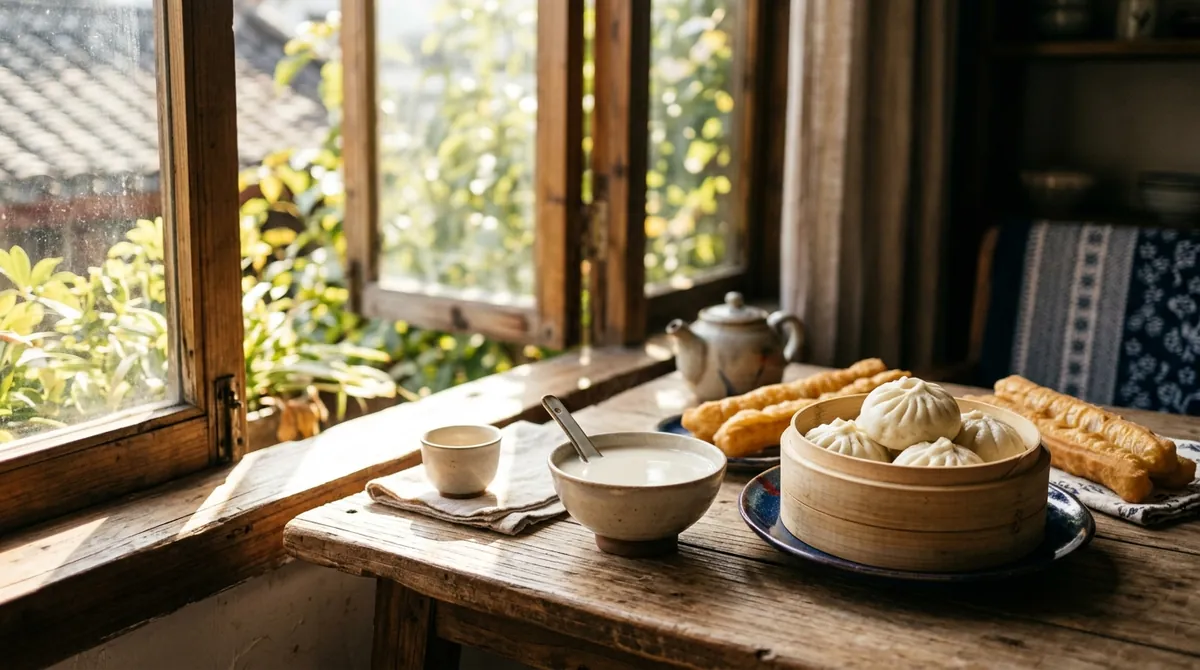
The standard way to say "good morning" in Mandarin is 早上好 (zǎoshang hǎo). It's polite, it works with anyone, and it's the one most textbooks teach first. But among people who see each other every day, you'll mostly hear the one-syllable 早 (zǎo). This post covers both, plus 早安 (zǎo'ān), how to pronounce them, how to reply, and what to say later in the day.
The Three Main Ways to Say Good Morning
All three mean "good morning". The difference is how relaxed they sound and where you're most likely to hear them.
| Mandarin | Pinyin | Feel | When to use it |
|---|---|---|---|
| 早上好 | zǎoshang hǎo | Standard, polite | With people you don't know well, elders, teachers, at work, or when greeting a group. |
| 早 | zǎo | Casual, everyday | With friends, family, flatmates, colleagues and neighbours you see regularly. |
| 早安 | zǎo'ān | Soft, warm | Very common in Taiwan. On the mainland it's mostly written, in texts and social media posts. |
早 literally means "early", and 早上 means "morning", so 早上好 is "morning good", the same pattern as 你好 (nǐ hǎo, hello). Note that the 上 in 早上 is said with a light neutral tone: zǎoshang, not zǎo shàng.
If you're ever unsure, 早上好 is never wrong. For other everyday basics, see our guides to saying hello and asking how someone is and to common phrases in Chinese.
Choosing the Right Greeting for the Situation
Picking a morning greeting mostly comes down to who you're talking to. It's the same instinct as choosing between "morning!" and "good morning" in English.
Friends, family and colleagues
With people you see every day, 早 (zǎo) is the natural choice. You'll often hear it softened with a particle or paired with a name:
- 早啊!(zǎo a!) Morning!
- 小王,早!(xiǎo wáng, zǎo!) Morning, Xiao Wang!
- 你早!(nǐ zǎo!) Morning to you! (said ní zǎo, see the tone section below)
Saying 早上好 to a close friend isn't rude, but it can sound a little formal, a bit like saying "good morning to you" to your flatmate.
Elders, teachers and formal settings
With people you want to show respect to, use 早上好, or add the polite 您 (nín):
- 您早!(nín zǎo!) Good morning (to an older person or someone senior).
- 老师早!(lǎoshī zǎo!) Good morning, teacher! Schoolchildren often say 老师早上好 (lǎoshī zǎoshang hǎo) together at the start of class.
- 大家早上好!(dàjiā zǎoshang hǎo!) Good morning, everyone! The usual opener for a meeting or a presentation.
In formal speeches and announcements later in the morning, you may also hear 上午好 (shàngwǔ hǎo), since 上午 means "late morning, before noon".
Texts and social media
早安 (zǎo'ān) literally means something like "morning peace". In Taiwan it's a normal spoken greeting. On the mainland you'll see it more than hear it: it's a popular way to start a WeChat message or a morning post, and it has a gentle, slightly sweet feel. It's the morning partner of 晚安 (wǎn'ān, good night).
In Hong Kong and Guangdong
Cantonese speakers say 早晨 (zou2 san4 in Jyutping, roughly "jo-sun") for good morning. In Mandarin, 早晨 (zǎochen) just means "early morning" and isn't normally used as a greeting, so stick with 早 or 早上好 when speaking Mandarin.
How to Pronounce 早上好

早上好 is a good little tone workout: two third tones with a neutral tone between them. Here it is syllable by syllable:
- 早 (zǎo): third tone. Because another syllable follows, you say it as a low half-third tone: your voice drops low and stays there, without the rise at the end.
- 上 (shang): neutral tone. On its own, 上 is shàng (fourth tone), but in 早上 it's short and light. After a third tone, a neutral tone sits a little higher, so it pops up slightly after the low 早.
- 好 (hǎo): third tone. Said slowly or at the end of a sentence, it can have the full dip and rise. In quick, everyday speech it's often just low.
The overall shape is low, slightly higher and light, then low again. The most common mistake English speakers make is to stress 上 as a strong falling "SHANG", which makes the phrase sound stiff.
Tone sandhi in morning greetings
The best-known tone change in Mandarin is that when two third tones sit side by side, the first becomes a rising second tone. 早上好 doesn't trigger it, because the neutral-tone 上 sits between the two third tones. But some other morning greetings do:
- 你早 (nǐ zǎo) is said ní zǎo, just as 你好 is said ní hǎo.
- 老师早 (lǎoshī zǎo) doesn't change, because 师 (shī) is a first tone.
If tone changes like this still feel slippery, our guide to tones in Chinese walks through all four tones and the sandhi rules, and how to learn Chinese Pinyin covers the sounds themselves.
Short greetings like these are worth saying out loud until they come out without thinking. The Chunking Chinese fluency trainer, our sister app, has you say everyday chunks of Mandarin aloud and scores the tone and pronunciation of each character, so you can hear whether your 早 really stayed low.
How to Reply and Keep the Conversation Going
The easiest reply is to say the same thing back. If someone says 早!, answer 早!; if they say 早上好, answer 早上好. Adding the person's name or title makes it warmer: 王老师早!(wáng lǎoshī zǎo!)
To turn a greeting into a short chat, here are a few natural follow-ups:
- 你吃早饭了吗?(nǐ chī zǎofàn le ma?) Have you had breakfast? Replies: 吃了 (chī le), "I have", or 还没呢 (hái méi ne), "not yet".
- 今天起得真早!(jīntiān qǐ de zhēn zǎo!) You're up early today!
- 昨晚睡得好吗?(zuówǎn shuì de hǎo ma?) Did you sleep well last night?
Asking whether someone has eaten is a friendly check-in, much like "all right?" in British English. It isn't usually an invitation to breakfast, and a short answer is all that's expected.
Phrases like these stick best when you learn them inside whole sentences rather than as isolated words, which is the idea behind sentence mining.
Good Afternoon, Good Evening and Good Night
The other times of day follow the same pattern as 早上好: a time word plus 好.
- 中午好 (zhōngwǔ hǎo): good day, around midday.
- 下午好 (xiàwǔ hǎo): good afternoon.
- 晚上好 (wǎnshang hǎo): good evening. As with 早上, the 上 is neutral.
- 晚安 (wǎn'ān): good night, said when someone is going to bed or you're parting late in the evening.
下午好 and 晚上好 sound more formal than 早. You'll hear them from shop staff, presenters and at the start of meetings; between friends, a simple 你好 or their name is more usual. For the many ways to say good night, see our guide to good night in Chinese.
Making the Greeting a Daily Habit
Morning greetings are easy to practise because the morning comes round every day. Tie the phrase to something you already do, and it soon becomes automatic:
- Say it out loud: greet your family, flatmate or even the kettle with 早! or 早上好! each morning.
- Record a voice note: say 早上好 into your phone and play it back to check that 上 is light and 早 stays low. Send it to a language partner if you have one.
- Start your messages: if you chat with Chinese-speaking friends, open your first message of the day with 早安.
For more ways to fit Chinese into the start of your day, see a Chinese learning morning routine.
To keep new phrases from fading, spaced repetition helps: you review each item just before you're likely to forget it, so you spend less time on what you already know. Mandarin Mosaic uses spaced repetition with real sentences, so greetings like these come back to you in context rather than as bare words.
Frequently Asked Questions
Is it rude to just say 早?
Not with friends, family or colleagues you see every day; it's the normal, friendly choice. With a boss, an older person or someone you've just met, 早上好 or 您早 shows a little more respect.
How do I say good morning to a teacher?
Say 老师早 (lǎoshī zǎo) or 老师早上好 (lǎoshī zǎoshang hǎo), "good morning, teacher". To a particular teacher, put their surname first: 李老师早 (lǐ lǎoshī zǎo). Chinese puts the name before the title, just as in 王老师.
Are 早安 and 早上好 the same?
They mean the same thing. 早上好 is the standard spoken greeting on the mainland. 早安 feels softer; it's commonly spoken in Taiwan, and on the mainland it's mostly used in writing, such as texts and social media.
Until what time can I say 早上好?
There's no fixed cut-off; use it during the morning. Later in the morning many people simply switch to 你好, and formal settings sometimes use 上午好 (shàngwǔ hǎo) until noon.
Want to build up the vocabulary to go beyond the greeting? Mandarin Mosaic is a sentence-mining app for iOS and Android: it shows you real Chinese sentences with one new word at a time, with audio for every word and spaced repetition to make them stick.