 Mandarin Mosaic
Free on iPhone, iPad and Android.
Download on theApp Store Get it onGoogle PlayYour first month of Premium is free.
Daily Routine in Chinese: Words and Sentences for Your Day
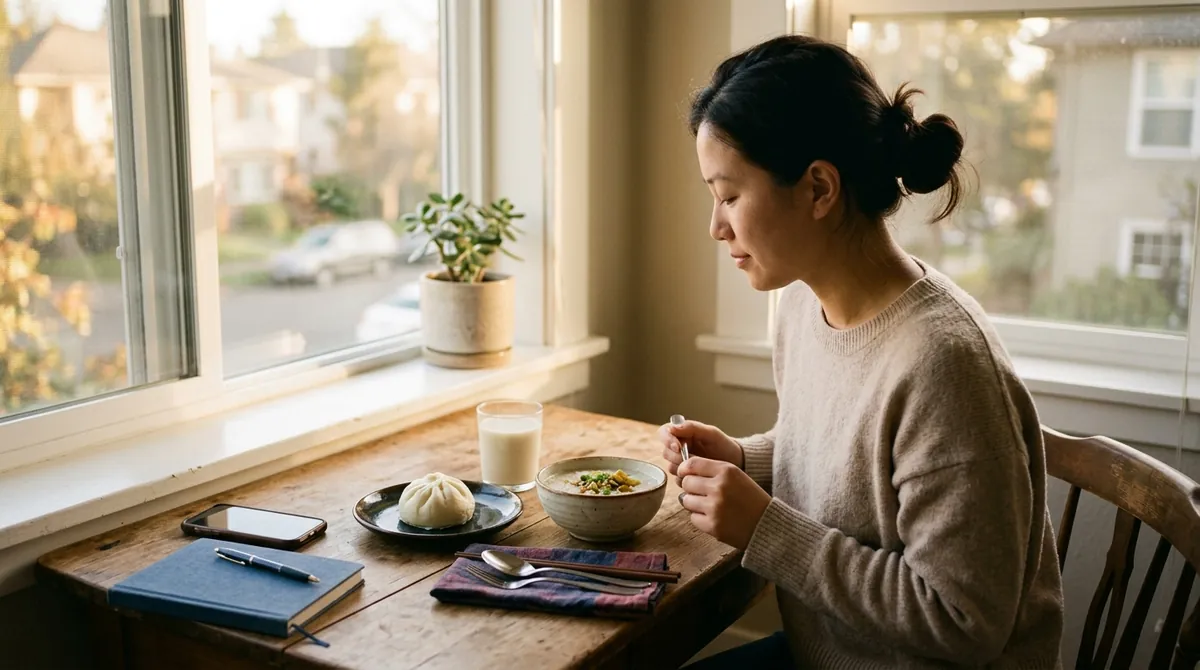
To describe your daily routine in Chinese, put the time before the verb: 我七点起床 (wǒ qī diǎn qǐchuáng, I get up at seven). Add the words for the times of day, a few dozen everyday verbs and three linking words, 先 (xiān, first), 然后 (ránhòu, then) and 最后 (zuìhòu, finally), and you can talk through a whole day at beginner level.
Below are the words for each part of the day, the grammar that holds them together, a short sample text called 我的一天 (wǒ de yì tiān, my day) with a translation, and what a typical day looks like in China. If you were looking for a study routine rather than the language for one, see our Chinese learning morning routine instead.
The Basic Pattern: Time Before the Verb
In English the time usually goes at the end: "I get up at seven." In Chinese it goes before the verb, either straight after the subject or at the very start:
- 我七点起床。 (wǒ qī diǎn qǐchuáng.) I get up at seven.
- 七点我起床。 (qī diǎn wǒ qǐchuáng.) At seven, I get up.
"我起床七点" is wrong, and it's one of the most common beginner mistakes. Place and means of transport also come before the verb, so a full sentence runs who + when + where or how + what:
- 我每天早上在家吃早饭。 (wǒ měitiān zǎoshang zài jiā chī zǎofàn.) I have breakfast at home every morning.
- 我八点坐地铁上班。 (wǒ bā diǎn zuò dìtiě shàngbān.) I take the underground to work at eight.
Chinese verbs don't change for tense, so 我七点起床 already works as a habit, "I (usually) get up at seven". Everything on this page sticks to that present habit, which needs no extra grammar. To say what you did yesterday you'd usually add 了 (le), which our guide to sentences in Chinese explains.
Times of Day in Chinese
| Chinese | Pinyin | Meaning |
|---|---|---|
| 早上 | zǎoshang | early morning, from waking up to about 9 |
| 上午 | shàngwǔ | morning, up to noon |
| 中午 | zhōngwǔ | midday, around noon to 1 or 2 |
| 下午 | xiàwǔ | afternoon |
| 傍晚 | bàngwǎn | dusk, early evening |
| 晚上 | wǎnshang | evening, night |
| 半夜 | bànyè | the middle of the night |
| 每天 | měitiān | every day |
| 工作日 | gōngzuòrì | weekday, working day |
| 周末 | zhōumò | weekend |
Clock times use 点 (diǎn, o'clock) and 分 (fēn, minute):
- 7:00 is 七点 (qī diǎn), and 7:30 is 七点半 (qī diǎn bàn, "seven o'clock half").
- 7:15 is 七点一刻 (qī diǎn yí kè, "a quarter") or 七点十五 (qī diǎn shíwǔ). 7:10 is 七点十分 (qī diǎn shí fēn).
- 7:55 can be 差五分八点 (chà wǔ fēn bā diǎn, "five minutes short of eight"), though in everyday speech 七点五十五 (qī diǎn wǔshíwǔ) is more common.
- 2:00 is 两点 (liǎng diǎn), never 二点.
Chinese puts the bigger unit first, so the part of the day comes before the clock time: 早上七点 (zǎoshang qī diǎn, 7am), 晚上十一点 (wǎnshang shíyī diǎn, 11pm). There's no am and pm; the time-of-day word does that job. Our post on numbers in Chinese covers times and dates in more detail.
Morning Routine Words
| Chinese | Pinyin | Meaning |
|---|---|---|
| 醒 | xǐng | to wake up |
| 起床 | qǐchuáng | to get up |
| 关闹钟 | guān nàozhōng | to turn off the alarm |
| 上厕所 | shàng cèsuǒ | to go to the toilet |
| 刷牙 | shuāyá | to brush your teeth |
| 洗脸 | xǐliǎn | to wash your face |
| 洗澡 | xǐzǎo | to have a shower or a bath |
| 化妆 | huàzhuāng | to put on make-up |
| 穿衣服 | chuān yīfu | to get dressed |
| 吃早饭 | chī zǎofàn | to have breakfast |
| 喝咖啡 | hē kāfēi | to drink coffee |
| 出门 | chūmén | to leave the house |
Example sentences:
- 我一般七点起床。 (wǒ yìbān qī diǎn qǐchuáng.) I usually get up at seven.
- 起床以后,我先刷牙,然后洗澡。 (qǐchuáng yǐhòu, wǒ xiān shuāyá, ránhòu xǐzǎo.) After I get up, I brush my teeth first, then have a shower.
- 我早上不吃早饭,只喝一杯咖啡。 (wǒ zǎoshang bù chī zǎofàn, zhǐ hē yì bēi kāfēi.) I don't have breakfast, just a cup of coffee.
- 我八点出门。 (wǒ bā diǎn chūmén.) I leave the house at eight.
洗澡 covers both a shower and a bath, and it's the word people use day to day. If you need to be specific, a shower is 冲澡 (chōngzǎo) or 淋浴 (línyù). For the greetings you'd use first thing, see good morning in Chinese.
Work, School and Getting Around
| Chinese | Pinyin | Meaning |
|---|---|---|
| 上班 | shàngbān | to go to work, to start work |
| 下班 | xiàbān | to finish work |
| 上学 | shàngxué | to go to school |
| 放学 | fàngxué | to finish school for the day |
| 上课 | shàngkè | to have a class, class starts |
| 下课 | xiàkè | class ends |
| 坐地铁 | zuò dìtiě | to take the underground |
| 坐公交车 | zuò gōngjiāochē | to take the bus |
| 开车 | kāichē | to drive |
| 骑自行车 | qí zìxíngchē | to ride a bike |
| 走路 | zǒulù | to walk |
| 开会 | kāihuì | to have a meeting |
| 吃午饭 | chī wǔfàn | to have lunch |
| 午休 | wǔxiū | a midday break or nap |
Example sentences:
- 我坐地铁上班。 (wǒ zuò dìtiě shàngbān.) I go to work by underground.
- 坐地铁要四十分钟。 (zuò dìtiě yào sìshí fēnzhōng.) It takes forty minutes on the underground.
- 我九点上班,六点下班。 (wǒ jiǔ diǎn shàngbān, liù diǎn xiàbān.) I start work at nine and finish at six.
- 我中午十二点吃午饭。 (wǒ zhōngwǔ shí'èr diǎn chī wǔfàn.) I have lunch at twelve.
- 我有时候骑自行车去学校。 (wǒ yǒushíhou qí zìxíngchē qù xuéxiào.) I sometimes cycle to school.
上班 means both "to go to work" and "to be at work", so 我在上班 (wǒ zài shàngbān) is "I'm at work". The means of transport goes before the verb, just like the time: 坐地铁上班 is literally "sit underground, go to work".
Evening and Bedtime
| Chinese | Pinyin | Meaning |
|---|---|---|
| 回家 | huíjiā | to go home |
| 到家 | dàojiā | to get home, to arrive home |
| 做饭 | zuòfàn | to cook |
| 吃晚饭 | chī wǎnfàn | to have dinner |
| 洗碗 | xǐwǎn | to wash up |
| 做作业 | zuò zuòyè | to do homework |
| 学中文 | xué zhōngwén | to study Chinese |
| 看电视 | kàn diànshì | to watch TV |
| 玩手机 | wán shǒujī | to be on your phone |
| 跑步 | pǎobù | to go for a run |
| 散步 | sànbù | to go for a walk |
| 熬夜 | áoyè | to stay up late |
| 睡觉 | shuìjiào | to go to bed, to sleep |
Example sentences:
- 我七点到家,然后做饭。 (wǒ qī diǎn dàojiā, ránhòu zuòfàn.) I get home at seven, then cook.
- 吃完晚饭以后,我学半个小时中文。 (chī wán wǎnfàn yǐhòu, wǒ xué bàn ge xiǎoshí zhōngwén.) After dinner, I study Chinese for half an hour.
- 睡觉以前,我会玩一会儿手机。 (shuìjiào yǐqián, wǒ huì wán yíhuìr shǒujī.) Before bed, I spend a little while on my phone.
- 我一般十一点睡觉,但是周末常常熬夜。 (wǒ yìbān shíyī diǎn shuìjiào, dànshì zhōumò chángcháng áoyè.) I usually go to bed at eleven, but I often stay up late at the weekend.
Notice where the length of time goes in 学半个小时中文: after the verb and before the object, "study half an hour (of) Chinese". That's the main exception to time before the verb: a length of time comes after it, because it says how long, not when. For saying goodnight at the end of it all, see good night in Chinese.
Linking Your Day Together
A list of sentences becomes a description of your day once you join them up. These are the words that do it:
- 先… 然后… 最后… (xiān… ránhòu… zuìhòu…) first… then… finally: 我先洗澡,然后吃早饭,最后出门。 (wǒ xiān xǐzǎo, ránhòu chī zǎofàn, zuìhòu chūmén.) First I shower, then I have breakfast, and finally I leave the house.
- 以后 (yǐhòu, after) and 以前 (yǐqián, before) come after the action, the opposite of English: 吃早饭以后 (chī zǎofàn yǐhòu) is "after breakfast", literally "eat breakfast after".
- 的时候 (de shíhou, when, while): 坐地铁的时候,我听中文播客。 (zuò dìtiě de shíhou, wǒ tīng zhōngwén bōkè.) On the underground, I listen to Chinese podcasts.
And these say how often. They usually go after the subject and before the verb, though 每天 and 有时候 can also start the sentence:
| Chinese | Pinyin | Meaning | Example |
|---|---|---|---|
| 每天 | měitiān | every day | 我每天跑步。 I run every day. |
| 一般 | yìbān | usually | 我一般走路上班。 I usually walk to work. |
| 常常 | chángcháng | often | 我常常做饭。 I often cook. |
| 有时候 | yǒushíhou | sometimes | 我有时候看电视。 I sometimes watch TV. |
| 很少 | hěn shǎo | rarely | 我很少熬夜。 I rarely stay up late. |
| 从来不 | cónglái bù | never | 我从来不吃早饭。 I never have breakfast. |
我的一天 (My Day): A Sample Text
Here's a whole day put together, at about HSK 2 level. Read the Chinese first and see how much you follow, then check the pinyin and the translation.
我叫安娜,住在伦敦。我每天早上七点起床。起床以后,我先洗澡,然后吃早饭。我一般吃面包,喝一杯咖啡。八点我出门,坐地铁上班。坐地铁要半个小时,我在地铁上听中文播客。我九点上班,中午十二点半吃午饭。下午我常常开会。我六点下班,七点到家,然后做饭。吃完晚饭以后,我学半个小时中文。我一般十一点睡觉。
Pinyin: wǒ jiào ānnà, zhù zài lúndūn. wǒ měitiān zǎoshang qī diǎn qǐchuáng. qǐchuáng yǐhòu, wǒ xiān xǐzǎo, ránhòu chī zǎofàn. wǒ yìbān chī miànbāo, hē yì bēi kāfēi. bā diǎn wǒ chūmén, zuò dìtiě shàngbān. zuò dìtiě yào bàn ge xiǎoshí, wǒ zài dìtiě shang tīng zhōngwén bōkè. wǒ jiǔ diǎn shàngbān, zhōngwǔ shí'èr diǎn bàn chī wǔfàn. xiàwǔ wǒ chángcháng kāihuì. wǒ liù diǎn xiàbān, qī diǎn dàojiā, ránhòu zuòfàn. chī wán wǎnfàn yǐhòu, wǒ xué bàn ge xiǎoshí zhōngwén. wǒ yìbān shíyī diǎn shuìjiào.
English: My name is Anna and I live in London. I get up at seven every morning. After I get up, I shower first, then have breakfast. I usually have bread and a cup of coffee. At eight I leave the house and take the underground to work. The underground takes half an hour, and I listen to Chinese podcasts on the train. I start work at nine and have lunch at half past twelve. In the afternoon I often have meetings. I finish work at six, get home at seven, then cook. After dinner, I study Chinese for half an hour. I usually go to bed at eleven.
The easiest way to learn this is to rewrite it about your own day, swapping in your own times and verbs from the tables above.
What a Typical Day Looks Like in China
The words are the same everywhere, but a day in China has a few rhythms of its own, and they come up in conversation:
- Breakfast is often bought on the way to work. Street stalls and small shops sell 包子 (bāozi, steamed buns), 豆浆 (dòujiāng, soy milk), 油条 (yóutiáo, fried dough sticks), 粥 (zhōu, rice porridge) and 煎饼果子 (jiānbǐng guǒzi, a savoury crêpe). Our post on ordering food in Chinese has the phrases for buying them.
- 午休 (wǔxiū), the midday rest, is a normal part of the day in many schools and some workplaces. After lunch, people nap at their desks or rest for half an hour or so before the afternoon starts.
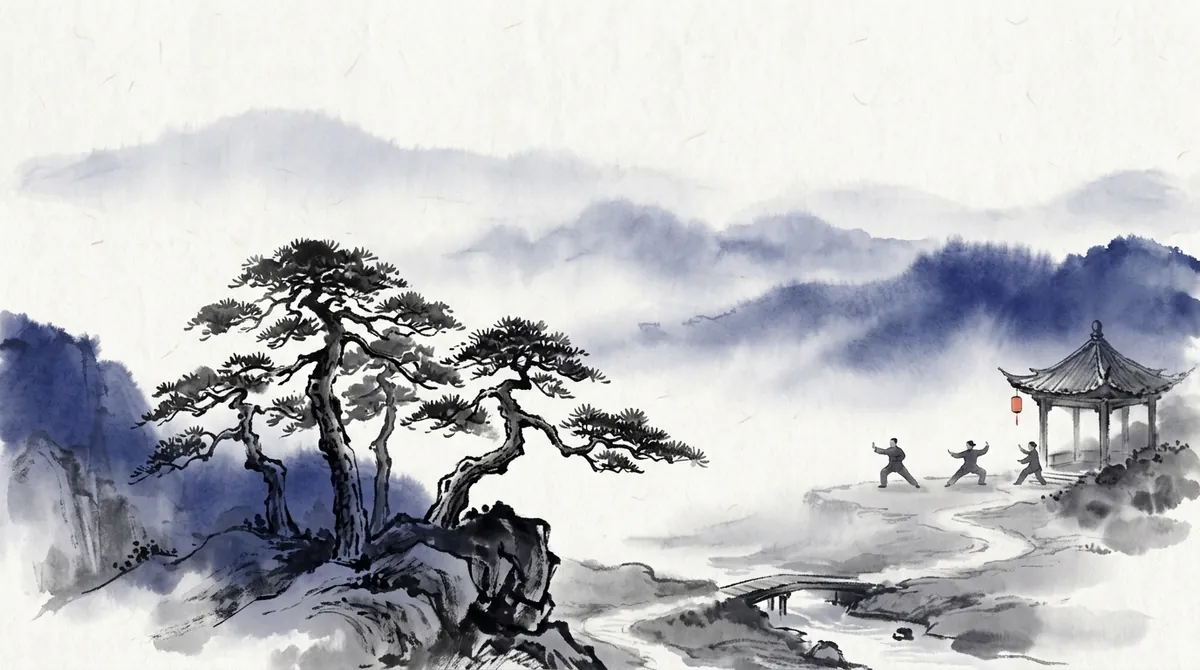
- Parks are busy early in the morning. Older people practise 太极拳 (tàijíquán, tai chi), stretch or walk. In the evening, groups of mostly middle-aged and older women do 广场舞 (guǎngchǎngwǔ, square dancing) to music in public squares.
- Long working hours are a common topic. "996" (jiǔ jiǔ liù) means working 9am to 9pm, six days a week, a schedule associated with some tech companies. It's widely criticised, and in August 2021 China's Supreme People's Court and labour ministry said it breaks labour law. You'll also hear people complain about 加班 (jiābān, working overtime).
- 早睡早起 (zǎo shuì zǎo qǐ), "early to bed, early to rise", is the healthy ideal, and 熬夜 (áoyè, staying up late) is what most people admit to doing instead.
Practise Describing Your Own Day
Talking about your day is one of the first real conversations you'll have in Chinese, and these are the questions you'll be asked:
- 你几点起床? (nǐ jǐ diǎn qǐchuáng?) What time do you get up?
- 你每天怎么上班? (nǐ měitiān zěnme shàngbān?) How do you get to work?
- 你几点下班? (nǐ jǐ diǎn xiàbān?) What time do you finish work?
- 你周末一般做什么? (nǐ zhōumò yìbān zuò shénme?) What do you usually do at the weekend?
- 你今天过得怎么样? (nǐ jīntiān guò de zěnmeyàng?) How was your day?
Write five to eight sentences that answer them about your own day, then say them out loud until they come without thinking. Because your routine barely changes, these are sentences you'll use again and again, which makes them ideal for sentence mining. In Mandarin Mosaic you can add them as Custom Sentences and review them with spaced repetition and audio, alongside lessons that teach everyday sentences one new word at a time.
Knowing the sentences and saying them fluently are different skills, though. If you want feedback on your speaking, the Chunking Chinese fluency trainer gives you spoken English prompts to answer in Chinese, built from reusable sentence chunks, and scores the tone and sound of each character you say. A language partner works well too; see our guide to tandem language learning.
Frequently Asked Questions
How Do You Say "Daily Routine" in Chinese?
There's no single everyday word. 日常 (rìcháng) means "daily" or "everyday", and 日常生活 (rìcháng shēnghuó) is "daily life". For a schedule of when you get up, work and sleep, people say 作息 (zuòxī), as in 作息时间 (zuòxī shíjiān, daily schedule). In conversation, people usually just ask 你每天做什么? (nǐ měitiān zuò shénme?), "What do you do every day?"
What's the Difference Between 早上 and 上午?
早上 (zǎoshang) is the early part of the morning, from waking up until about 9. 上午 (shàngwǔ) is the whole morning up to noon. So you get up 早上, but have a meeting 上午十点 (shàngwǔ shí diǎn, at 10am). The greeting is 早上好 (zǎoshang hǎo).
Do I Need 了 to Talk About My Routine?
No. For things you do regularly, the plain verb is right: 我七点起床. Adding 了 would turn it into a single finished event. You need 了 when you describe one particular day in the past, such as what you did yesterday.
Why Is It 两点 and Not 二点?
Before a measure word, "two" is 两 (liǎng), not 二 (èr), and 点 works like a measure word here. So 2:00 is 两点, but 12:00 is 十二点 (shí'èr diǎn), because 二 is used inside bigger numbers.
Your daily routine is the perfect first topic to learn in sentences, because you'll say the same ones every day. Mandarin Mosaic teaches Chinese through real sentences with one new word at a time, with audio and spaced repetition, and lets you add sentences of your own. At the time of writing, there's a 30-day free trial, then a free plan with one lesson a day, or Premium from £7.92 a month billed yearly (£11.95 monthly). Get it on iOS or Android.